Skip to content
    New: Medical Gas Outlet Retrofit & Rebuild Matrix — cross-reference legacy Chemetron, Ohio Diamond, Puritan-Bennett & more →
    ASSE Certified 24/7
    Medical Gas Service
    Medical Gas Products
    Compliance & Standards

    Dental Office Nitrous Oxide Installation in Myrtle Beach SC

    Medical Testing SolutionsOctober 2, 20267 min read
    Share
    Dental Office Nitrous Oxide Installation in Myrtle Beach SC

    Turnkey Dental Office Nitrous Oxide Installation in Myrtle Beach, SC: Your Definitive Guide

    Installing or upgrading a nitrous oxide and oxygen delivery system is a critical investment in patient comfort and a significant step in expanding the services your dental practice offers. But for dentists in Myrtle Beach and across South Carolina, it’s a process governed by stringent safety codes and standards. A compliant installation is not just about connecting pipes; it’s about ensuring the safety of your patients, protecting your staff, and safeguarding your practice from liability. This guide provides a comprehensive overview of the turnkey nitrous oxide installation process, from initial design and code considerations to final verification and ongoing maintenance, so you can make an informed decision for your practice.

    Understanding the Core Components of a Dental N2O/O2 System

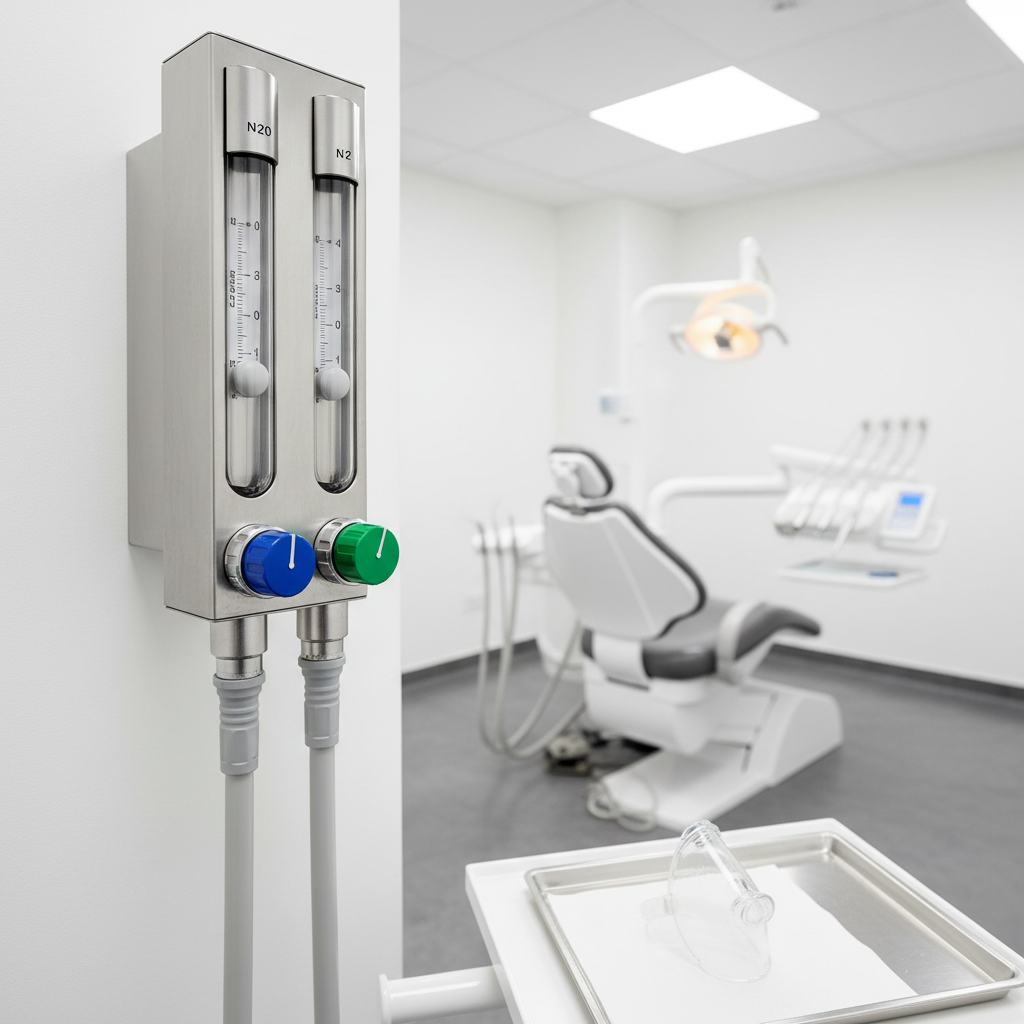
    A modern dental nitrous oxide system is more than just the flowmeter on the wall. It’s an integrated network of components that must work in harmony. A typical installation includes:

    • Gas Source: Centralized gas cylinders (H-tanks or G-tanks) for both nitrous oxide and oxygen, typically stored in a secure, well-ventilated room or exterior enclosure.
    • Manifold System: An automated or manual manifold is crucial for ensuring an uninterrupted gas supply. It automatically switches from the primary bank of cylinders to the secondary bank when pressure drops, sending a signal to a master alarm.
    • Line Pressure Regulators: These reduce the high pressure from the cylinders down to the nominal 50-55 psi required for the piping network.
    • Piping Distribution Network: This is the circulatory system for your gases. Per NFPA 99, it must be constructed from medical-grade, degreased, and cleaned copper piping (Type K or L), with joints brazed using a nitrogen purge.
    • Zone Valve Boxes: Placed in strategic locations, these boxes allow staff to shut off the gas supply to specific areas (e.g., a single operatory or a group of chairs) in an emergency without affecting the entire office.
    • Outlets and Terminals: Quick-connect terminals in each operatory that receive the hoses from the sedation unit.
    • Sedation Flowmeters: Devices like the Porter MXR or Belmed PC7 are the final control point, allowing you to precisely mix and administer the N2O/O2 gas to the patient. Many of these units require regular service, and for that, MTS offers specialized dental flowmeter repair and calibration.
    • Scavenging System: A critical safety component that removes exhaled, waste anesthetic gas (WAG) from the operatory to protect staff from chronic exposure.
    • Alarm Systems: Master and area alarms that provide audible and visual warnings for changes in pressure, gas levels, or manifold status.

    The Installation Process: An ASSE 6010 Certified Approach

    Bringing it all together requires a meticulous, multi-step process best handled by an ASSE 6010 certified installation team. At Medical Testing Solutions, we follow a proven methodology for every turnkey project.

    Step 1: Design and Engineering

    This foundational phase involves mapping out the entire system. We work with your practice layout to determine the optimal location for the cylinder storage, the most efficient piping routes, and the placement of all components. We consider factors like:

    • Number of operatories to be supplied.
    • Future expansion plans.
    • Compliance with all relevant NFPA 99, state, and local building codes.

    Step 2: Sourcing Compliant Equipment

    We source all necessary components, from manifolds and alarms to copper piping and outlets, ensuring they are medical-grade and meet or exceed industry standards.

    Step 3: Piping Installation

    The core of the installation is performed by ASSE 6010 Certified Installers. This involves:

    • Brazing: All joints in the copper piping are brazed, not soldered. A continuous flow of nitrogen is purged through the pipes during brazing to prevent oxidation and the formation of contaminants inside the line.
    • Piping Support: The network is securely mounted with appropriate hangers and supports to prevent sagging and stress on the joints.
    • Labeling: All pipes are clearly labeled with the name of the gas and the direction of flow.

    Step 4: Component Integration

    Once the piping is in place, we install the source manifold, zone valve boxes, master alarms, and operatory outlets. Everything is connected, pressure tested, and prepared for final verification.

    Why This Matters for Compliance

    The use of nitrogen purging during brazing is a critical requirement under NFPA 99 (2024 edition, Section 5.1.10.6.4). Failure to do so creates carbonized, flaky debris inside the pipes that can flake off, clog equipment, and potentially be inhaled by a patient. This is a common failure point for uncertified installers and a major safety risk.

    The Critical Role of Scavenging and WAG Safety

    While nitrous oxide provides excellent analgesia for patients, chronic exposure to waste anesthetic gas (WAG) poses health risks for your clinical team. Headaches, fatigue, and more serious reproductive or neurological issues have been linked to long-term WAG exposure. A properly installed and functioning scavenging system is not optional, it's an OSHA requirement.

    The system should be connected to a dedicated vacuum source calibrated to draw away exhaled gases at the proper rate without affecting the patient’s breathing circuit. Regular WAG and chemical vapor monitoring is essential to ensure your scavenging system is performing effectively and keeping your team safe.

    Comparing System Components: Manifolds and Alarms

    Choosing the right central components can impact your practice's workflow and long-term costs. Here’s a basic comparison:

    FeatureAutomatic ManifoldManual ManifoldMaster AlarmArea Alarm
    FunctionSwitches from primary to secondary bank automaticallyRequires staff to manually switch cylinder banksMonitors the entire gas source and main linesMonitors gas pressure within a specific zone (e.g., operatory wing)
    Best ForPractices wanting uninterrupted service and reduced staff interventionSmaller practices with lower N2O usage and diligent staffAll practices; required by NFPA 99Practices with distinct zones; required by NFPA 99
    SignalSends alert to master alarm when switchover occursNo automatic signal; relies on visual inspectionHigh/low pressure, switchover active, etc.High/low pressure in the zone
    CostHigher initial investmentLower initial investmentIncluded with manifold systemsVaries by size and features

    Post-Installation Verification: The ASSE 6030 Standard

    Your nitrous oxide system installation is not complete until it has been rigorously tested and verified by a third-party agency. This crucial final step, known as medical gas verification, must be performed by an ASSE 6030 Certified Verifier. Medical Testing Solutions is a leading provider of both ASSE 6010 installation and ASSE 6030 verification services.

    The verifier will conduct a series of tests, including:

    • Purity Analysis: Ensuring the gas at the outlet is the correct gas and is free of contaminants.
    • Pressure and Flow Tests: Confirming that the system delivers the correct pressure and flow rate to every outlet.
    • System Integrity: Checking for any leaks throughout the entire piping network.
    • Alarm Functionality: Testing every audible and visual alarm to ensure they function as designed.

    Only after passing all verification tests can the system be legally put into service for patient use. This verification provides the ultimate peace of mind that your system is safe, compliant, and ready.

    Ongoing Maintenance and Inspection

    Like any critical piece of equipment, your N2O/O2 system requires regular attention. An annual medical gas inspection is essential for ensuring continued compliance and safety. This includes checking regulator pressures, testing alarms, inspecting hoses, and verifying the calibration of your flowmeters. Regular maintenance helps prevent costly emergency repairs and ensures you are always ready for a surprise inspection from a regulatory body.

    Your Partner for Turnkey Nitrous Installations in Myrtle Beach, SC

    From initial consultation and design to certified installation and third-party verification, Medical Testing Solutions provides a true turnkey solution for dental practices in Myrtle Beach and across the Carolinas. Our deep expertise in NFPA 99 and ASSE standards guarantees a system that is not only effective but uncompromisingly safe. If you are planning to add nitrous oxide sedation to your practice, partner with a certified expert who can manage the entire process.

    Ready to enhance your practice with safe, compliant nitrous oxide sedation? Request a quote from our certified installation team today or call us at (754) 315-1078 to discuss your project.

    Frequently Asked Questions

    The timeline can vary based on the size of the practice and the complexity of the installation. A typical installation for a small to medium-sized dental office might take 3-5 days for the physical installation, followed by the third-party verification.

    No. Medical gas systems require dedicated, medical-grade copper piping that has been specifically cleaned and degreased for oxygen and nitrous oxide service. Standard plumbing pipes and fittings are not compliant or safe.

    NFPA 99 has specific requirements for gas storage. Cylinders must be stored in a dedicated room or enclosure with adequate ventilation, constructed of specific fire-resistant materials, and secured to prevent tipping. The location cannot be in a high-traffic area.

    Installation (governed by ASSE 6010) is the physical act of building and setting up the system components. Verification (governed by ASSE 6030) is the independent, third-party testing process that confirms the system was installed correctly and is safe for patient use.

    After the initial verification, it is best practice and often required by regulatory bodies to have your entire medical gas system inspected annually. This ensures ongoing safety and compliance and can identify potential issues before they become critical failures.

    Yes. MTS offers a complete turnkey service. We manage the design, provide ASSE 6010 certified installers, and can perform the final ASSE 6030 verification, providing you with a single point of contact for a fully compliant and operational system.

    This article is provided for educational purposes and reflects industry standards as of publication. Always verify against current NFPA 99, CGA, and AHJ requirements. Medical Testing Solutions is ASSE-certified and ready to help — contact us for facility-specific guidance.

    Request a quote for your facility

    Talk with Medical Testing Solutions about your next inspection, repair or equipment request.

    Get a quote in 1 business day

    I agree to receive text messages from Medical Testing Solutions, L.L.C. at the phone number provided, including informational and marketing messages. Consent is not a condition of purchase. Message frequency varies. Message & data rates may apply. Reply STOP to opt out or HELP for help. See our Privacy Policy and Messaging Terms.

    Prefer to talk? Call (754) 315-1078

    Related articles