Turnkey Dental Nitrous Oxide Installation in Louisville, KY: A Compliance-First Guide
Installing a nitrous oxide and oxygen (N2O/O2) system in a dental office is more than just a plumbing job; it's a critical infrastructure project governed by strict national safety standards. For dental practices in Louisville, KY, a properly designed and installed system is essential for patient safety, staff well-being, and regulatory compliance. This guide provides a definitive overview of the entire process, from initial planning and equipment selection to the final verification and certification required by law.
You will learn the key components of a dental gas system, the specific NFPA 99 and ASSE 6000 series standards that apply, and the steps involved in a turnkey installation, including scavenging systems, alarm integration, and post-install verification.
Understanding the Core Components of a Dental N2O/O2 System
A compliant dental nitrous oxide system is a network of carefully selected and integrated components. Each part has a specific function designed to ensure the safe delivery of gases from the source to the patient.
Gas Source: Manifolds and Cylinders
- Central Manifold: The heart of the system. For a dental office, this typically consists of a primary and secondary bank of high-pressure cylinders (H-tanks or K-tanks). The manifold automatically switches from the primary bank to the secondary when pressure drops, ensuring an uninterrupted gas supply. It includes pressure regulators to reduce the high cylinder pressure to a usable line pressure (typically 50-55 psi).
- Cylinders: Nitrous oxide and oxygen are stored in color-coded cylinders (N2O is blue, O2 is green) that must be stored in a dedicated, secure, and well-ventilated room or enclosure, away from flammable materials.
Distribution: Piping and Zone Valves
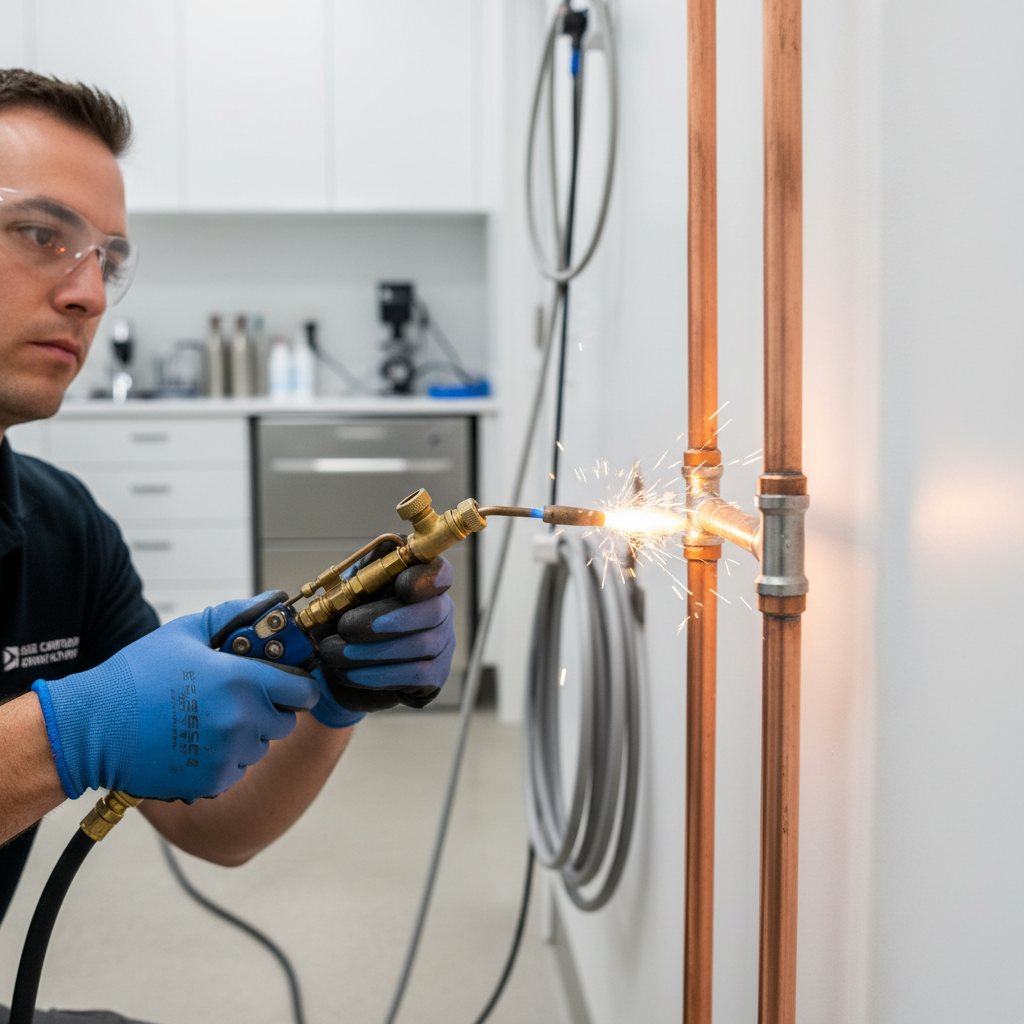
- Medical-Grade Piping: All piping used for medical gas distribution must be medical-grade copper (Type L or K), cleaned, and brazed by an ASSE 6010 certified installer. The process of brazing involves creating a permanent, leak-free joint, which is critical for safety.
- Zone Valve Boxes: These are strategically placed shut-off valves that allow you to isolate specific areas or "zones" of the dental office (e.g., a single operatory or a group of chairs) from the main gas supply. This is crucial for maintenance, repairs, or in case of an emergency without shutting down the entire facility.
Delivery and Scavenging: Flowmeters and Masks
- Flowmeters: Devices like the Porter MXR-D Digital Flowmeter or Belmed PC7 allow for the precise mixing and delivery of nitrous oxide and oxygen to the patient. These units are the final control point before the gas is administered.
- Scavenging System: This is a mandatory safety feature. It consists of a nasal hood (mask) with a vacuum system that captures exhaled nitrous oxide, preventing it from escaping into the ambient air of the operatory. This protects your dental staff from the health risks of long-term exposure to waste anesthetic gas (WAG).
Why this matters for compliance: NFPA 99 (Health Care Facilities Code) mandates specific requirements for the storage, distribution, and delivery of medical gases. Failure to use medical-grade materials and certified installation practices can result in immediate safety hazards and put your facility in violation of national fire and health codes.
The ASSE 6010 Installation Process: Step-by-Step
A compliant medical gas installation must be performed by an individual holding an ASSE 6010 Medical Gas Systems Installer certification. This isn't a suggestion; it's a requirement. Here’s what that process looks like.
- Design and Planning: We work with you and your building contractor to design a system that meets your clinical needs and complies with all relevant codes. This includes mapping piping routes, determining the location of the manifold, and planning for alarm and scavenging systems.
- Brazing and Assembly: Our ASSE 6010 certified technicians install the copper piping, meticulously brazing each joint while purging the lines with nitrogen to prevent internal oxidation. This "braze purge" is a critical step for preventing contaminants from entering the gas stream.
- Component Installation: We install the central manifold, zone valve boxes, and outlet stations in each operatory.
- Pressure Testing: Before the system is concealed behind walls, we perform an initial pressure test to ensure all joints are leak-free.
Scavenging Systems and Alarms: Protecting Your Staff
The safety of your team is as important as patient safety. A complete installation includes robust systems for monitoring the environment and removing waste gas.
Waste Anesthetic Gas (WAG) Scavenging
Proper scavenging is a non-negotiable part of a modern nitrous oxide system. OSHA has guidelines for occupational exposure to N2O. An active scavenging system connected to your central vacuum is the most effective method. Medical Testing Solutions can help you integrate a system that ensures exhaled gases are captured at the source and safely exhausted from the building.
Master and Area Alarm Panels
NFPA 99 requires alarm systems to provide immediate warning of system failures.
- Master Alarms: Located in an area of continuous surveillance (e.g., the front desk or main office), these monitor the primary source equipment. They will alarm if the system switches to the secondary gas bank or if main line pressure is too high or low.
- Area Alarms: Placed in specific zones (like the sedation suite), these monitor the line pressure within that area, providing localized warnings of pressure issues.
Medical Testing Solutions ensures your alarm panels are correctly installed, configured, and tested as part of the turnkey installation process.