Skip to content
    New: Medical Gas Outlet Retrofit & Rebuild Matrix — cross-reference legacy Chemetron, Ohio Diamond, Puritan-Bennett & more →
    ASSE Certified 24/7
    Medical Gas Service
    Medical Gas Installation

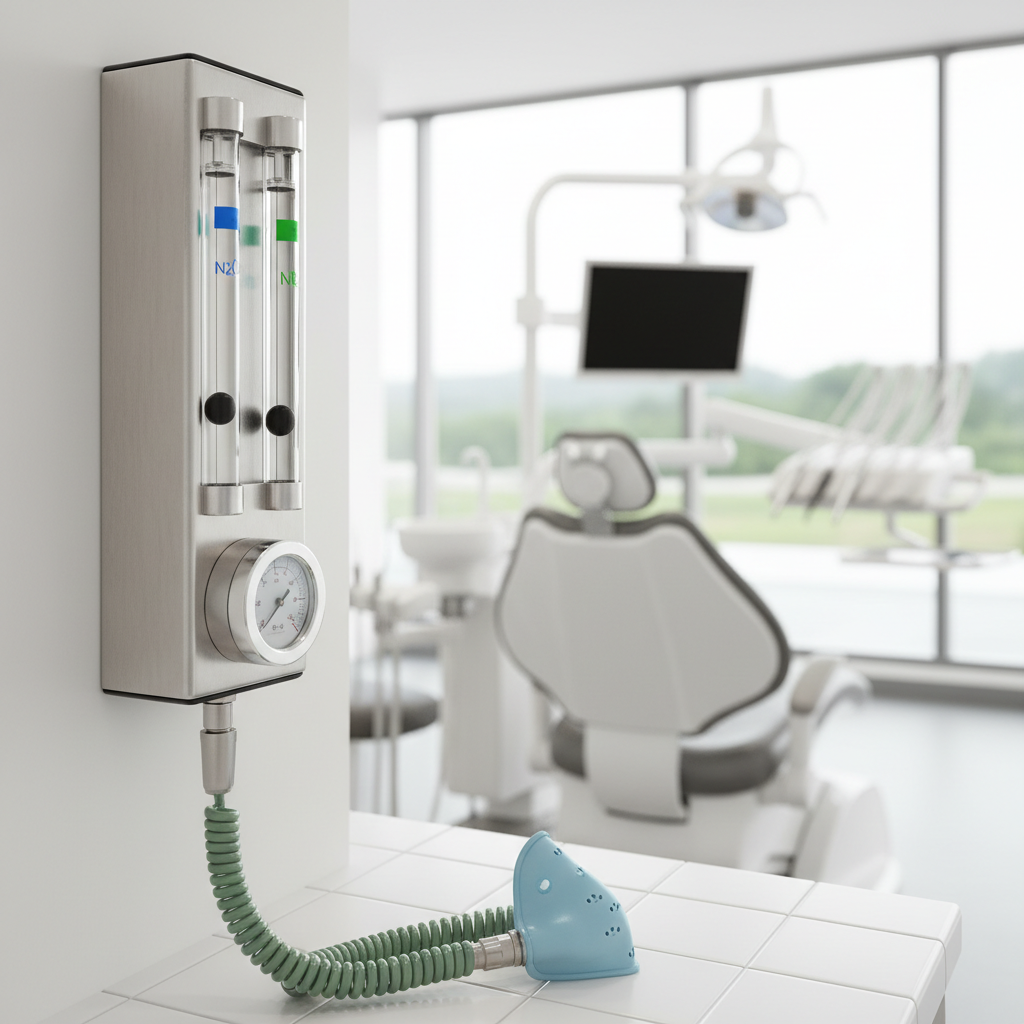
    Dental Office Nitrous Oxide Installation in Columbia, SC: A Turnkey Guide

    Medical Testing SolutionsOctober 1, 20266 min read
    Share
    Dental Office Nitrous Oxide Installation in Columbia, SC: A Turnkey Guide

    Understanding Turnkey Nitrous Oxide/Oxygen System Installation

    Installing a nitrous oxide and oxygen (N2O/O2) delivery system in a dental practice is more than just running pipes; it's about ensuring patient safety, adhering to strict regulatory codes, and creating an efficient workflow for your clinical team. A turnkey installation handles every aspect of this process, from initial design and equipment selection to final verification and staff training. This guide explains the complete process for a dental office in Columbia, SC, ensuring your system is safe, compliant, and ready for patient use from day one.

    We will cover the critical components of a compliant installation, including the central gas supply, piping distribution network, scavenging systems, alarm requirements, and the all-important final system verification. With a focus on standards like NFPA 99 and the ASSE 6000 series, you'll understand what it takes to get the job done right.

    Core Components of a Dental N2O/O2 System

    A compliant and safe dental gas system consists of several integrated components. Each part must be correctly specified, installed, and tested to function as a cohesive whole.

    Central Gas Supply: Manifolds and Cylinders

    Your N2O/O2 supply originates at a central source, typically a cylinder manifold. For a dental office, this usually involves:

    • Primary and Secondary Cylinders: An automatic changeover manifold ensures an uninterrupted gas supply. When the primary bank is depleted, the system automatically switches to the secondary bank, preventing any interruption during a procedure.
    • Pressure Regulators: These devices reduce the high pressure from the cylinders (up to 2200 PSI for oxygen) to a usable line pressure, typically 50-55 PSI for distribution throughout the facility.
    • Secure Storage: NFPA 99 (Chapter 5) dictates strict requirements for the location, construction, and ventilation of medical gas storage closets. They must be secured from unauthorized access and properly vented.

    The Piping Distribution Network

    This is the circulatory system for your gases. All piping must be medical-grade, cleaned, and brazed by an ASSE 6010 certified installer.

    • ASTM B819 Seamless Copper Tubing: This is the standard for medical gas distribution lines.
    • Brazing with Nitrogen Purge: During brazing, the inside of the pipe is purged with oil-free nitrogen to prevent the formation of toxic oxides on the interior pipe wall, a process critical for patient safety.
    • Zone Valves: As per NFPA 99, each operatory or distinct zone must have its own shut-off valve, allowing for isolated shutdowns for maintenance or emergencies without affecting the entire office.

    The Critical Role of Scavenging Systems

    Modern dental sedation is not just about delivering N2O/O2; it's also about safely removing exhaled waste anesthetic gas (WAG). An active scavenging system is essential for protecting your staff from the health risks associated with long-term exposure to nitrous oxide.

    How Scavenging Works

    • A vacuum source is used to actively draw away the exhaled gases from the patient's nasal mask.
    • The flow rate must be carefully calibrated, typically around 45 liters per minute (LPM), to be effective without interfering with the patient's sedation level.
    • The waste gas is then vented to a safe location outside the building, away from windows or air intakes.

    Why this matters for compliance: OSHA and NIOSH have guidelines for occupational exposure to WAGs. A properly installed and maintained scavenging system is your primary engineering control for keeping ambient N2O levels in your operatories within acceptable limits. We recommend regular WAG chemical vapor monitoring to ensure your system remains effective.

    Alarms and Monitoring: Your System's Early Warning

    NFPA 99 mandates the use of local and master alarm systems to provide immediate notification of system failures. For a dental office N2O/O2 system, you will need:

    • Master Alarms: Typically located in an area of continuous surveillance (e.g., the front desk or main office), these alarms monitor the entire gas system. They will activate if the line pressure is too high or low, or when the system switches to the secondary cylinder bank.
    • Local Alarms: Placed at the source (e.g., near the manifold), these alarms provide a visual and audible signal of issues like low pressure in a specific line.

    Medical Testing Solutions can help you select and install the right alarm panels to meet code requirements for your specific facility layout.

    The Installation Process: An ASSE 6010 Credentialed Approach

    A successful installation follows a structured, code-compliant process performed by certified professionals. Attempting to use a standard plumber for medical gas piping is a serious violation and a significant safety risk.

    Step-by-Step Installation Flow

    1. Design & Engineering: The system is designed based on your office layout, number of operatories, and clinical needs.
    2. Rough-In: ASSE 6010 certified technicians install the copper piping network throughout the walls and ceilings.
    3. Brazing & Purging: All joints are brazed under a continuous nitrogen purge.
    4. Initial Pressure Test: The system is pressurized to 150 psi to check for any leaks in the piping network.
    5. Installation of Source & Terminal Equipment: Manifolds, alarms, and wall outlets/ceiling drops are installed.
    6. Cross-Connection Test: We verify that only the correct gas is flowing from each designated outlet.
    7. Final Verification (ASSE 6030): This is the final, most critical step before the system can be used for patients.

    For a detailed overview of the installation credentials required, see our guide on Medical Gas Installation.

    System Verification: The ASSE 6030 Standard

    Before any patient can be connected to a new or modified medical gas system, it MUST be verified by a third-party ASSE 6030 Certified Medical Gas Verifier. This is not optional. The verifier confirms that the system is safe, installed correctly, and meets all NFPA 99 requirements.

    What Verification Includes

    • Gas Purity & Identity: The verifier takes gas samples to ensure the N2O and O2 meet USP purity standards and that the lines are not crossed.
    • Pressure & Flow Tests: All outlets are tested to confirm they deliver the correct pressure and flow rate.
    • Alarm Functionality: Every alarm condition is simulated to ensure the panels function as designed.
    • Labeling & Documentation: The verifier confirms all pipes, valves, and outlets are correctly labeled and provides a comprehensive report.

    Medical Testing Solutions provides both ASSE 6010 installation and independent ASSE 6030 medical gas verification services, ensuring a seamless and compliant path from construction to patient-readiness in the Columbia, SC area.

    Comparing Key Code Requirements: NFPA 99 vs. ASSE 6000

    StandardFocusKey Requirement for Dental N2O Systems
    NFPA 99Overall System Safety & Risk AssessmentDefines risk categories, dictates where alarms are needed, sets standards for storage rooms, and mandates third-party verification.
    ASSE 6010Installer PersonnelDefines the knowledge and skills required for individuals who install medical gas systems. Brazing qualification is a core component.
    ASSE 6030Verifier PersonnelDefines the qualifications for the third-party verifier who performs the final system testing and certification.
    CGAGas & EquipmentThe Compressed Gas Association provides standards for the gases themselves, cylinder connections (e.g., DISS), and regulator safety.

    Get Your Columbia, SC Dental Office Installation Started

    Ensuring your nitrous oxide and oxygen system is properly designed, installed, and verified is one of the most important investments you can make in patient and staff safety. The team at Medical Testing Solutions has the ASSE-certified expertise to provide a turnkey solution for your Columbia, SC dental practice.

    From manifolds and alarms to the final verification report, we manage the entire process. Contact us today to discuss your project and get a comprehensive quote. Call us at (754) 315-1078 or request a quote online to get started.


    Frequently Asked Questions

    For a new construction or major renovation, the piping is installed during the rough-in phase over several days. The final connection of equipment and verification may take another 2-3 days, depending on the size of the office.

    Absolutely not. NFPA 99 requires that all medical gas and vacuum systems be installed by individuals certified to the ASSE 6010 standard. Using an uncertified installer is a code violation and a significant patient safety risk.

    Installation (ASSE 6010) is the physical work of putting the system together. Verification (ASSE 6030) is the independent inspection and testing of that system to ensure it's safe and code-compliant *before* it's used on patients. Medical Testing Solutions can perform both services.

    Most manufacturers recommend annual calibration and testing of your flowmeters to ensure they are delivering the correct gas concentrations. This is a critical part of ongoing system maintenance. Check out our [dental flowmeter repair and calibration](/dental-flowmeter-repair-and-calibration) services.

    Beyond flowmeter calibration, you should have [annual medical gas inspections](/medical-gas-testing-and-service/annual-medical-gas-inspections) to check for leaks, test alarms, and ensure continued compliance and safety.

    Yes. A properly installed and functioning scavenging system is considered the standard of care and an essential safety control to protect your staff from chronic exposure to waste nitrous oxide gas.

    This article is provided for educational purposes and reflects industry standards as of publication. Always verify against current NFPA 99, CGA, and AHJ requirements. Medical Testing Solutions is ASSE-certified and ready to help — contact us for facility-specific guidance.

    Request a quote for your facility

    Talk with Medical Testing Solutions about your next inspection, repair or equipment request.

    Get a quote in 1 business day

    I agree to receive text messages from Medical Testing Solutions, L.L.C. at the phone number provided, including informational and marketing messages. Consent is not a condition of purchase. Message frequency varies. Message & data rates may apply. Reply STOP to opt out or HELP for help. See our Privacy Policy and Messaging Terms.

    Prefer to talk? Call (754) 315-1078

    Related articles