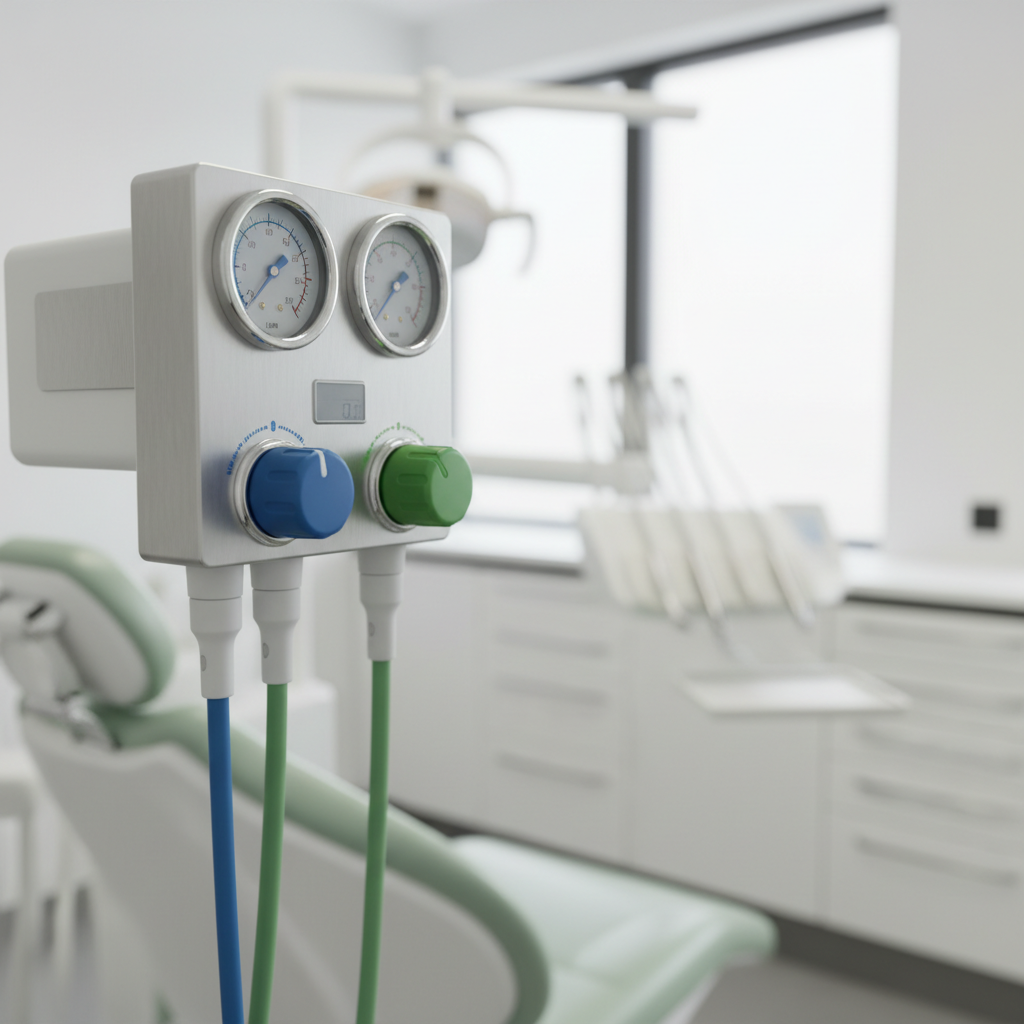
Turnkey Dental Office Nitrous Oxide Installation in Chesapeake, VA: Your Complete Guide_A new dental office build-out or renovating an existing practice in Chesapeake, Virginia, requires careful planning, especially for your nitrous oxide and oxygen delivery systems. A properly installed and verified N2O/O2 system is not just a matter of operational efficiency; it's a critical component of patient safety and regulatory compliance. This guide provides a definitive overview of the entire process, from design and equipment selection to the final ASSE 6030 verification. You will learn the key requirements of NFPA 99, the roles of certified personnel, and the essential components needed for a safe, turnkey dental sedation gas installation._
Understanding the Scope: What is a "Turnkey" N2O/O2 System?
A turnkey nitrous oxide and oxygen system means every aspect of the installation is handled by a single, qualified provider. This integrated approach ensures all parts of the system work together seamlessly and meet strict safety codes. For a dental office in Chesapeake, a turnkey installation from a provider like Medical Testing Solutions typically includes:
- System Design & Planning: Creating blueprints that adhere to NFPA 99 standards for piping routes, manifold placement, and alarm integration.
- Equipment Sourcing: Supplying all necessary components, including manifolds, piping, master and area alarms, and scavenging systems.
- Piping Installation: Performed by an ASSE 6010 Certified Medical Gas Installer, ensuring all joints are properly brazed and lines are correctly routed.
- Component Integration: Connecting the gas source, piping network, alarms, and sedation flowmeters in each operatory.
- System Verification: A final, comprehensive inspection by an ASSE 6030 Certified Medical Gas Verifier to confirm purity, pressure, and overall system integrity before it's used for patient care.
- Staff Training: Educating your dental team on the proper use of the system, safety protocols, and alarm responses.
This end-to-end management prevents the common pitfalls of using multiple, uncoordinated contractors, which can lead to compliance failures, delays, and safety hazards.
Core Components of a Compliant Dental Nitrous Oxide System
A modern dental N2O/O2 system is more than just pipes and a tank. It's a sophisticated network designed for safety and reliability. Here are the essential components.
1. Gas Source & Manifold
This is the heart of your system. For most dental practices, the source consists of high-pressure N2O and O2 cylinders connected to a manifold.
- Automatic Changeover Manifold: This is the standard for uninterrupted service. It automatically switches from the primary bank of cylinders to the secondary bank when the pressure drops, ensuring a continuous gas supply. It also sends a signal to your master alarm panel, notifying staff it's time to order more gas.
- Cylinder Storage: NFPA 99 (2024 edition, Chapter 11) has specific requirements for gas storage rooms, including proper ventilation, security, and separation of full and empty cylinders.
2. The Piping Network
Medical gas piping is not a job for a standard plumber. It requires specialized materials and techniques.
- Type K or L Copper Tubing: All piping must be rigid, seamless copper (ASTM B819) that has been cleaned for oxygen service.
- Brazing: Joints must be brazed, not soldered, using a specific silver alloy. During brazing, the pipe must be continuously purged with oil-free, dry nitrogen to prevent the formation of toxic oxides inside the pipe.
- Labeling: Pipes must be clearly labeled with the gas name and direction of flow at specific intervals and at every entry/exit point.
3. Alarms: Your First Line of Defense
Alarms are non-negotiable and are mandated by NFPA 99 (Chapter 5) to provide immediate warning of system irregularities.
- Master Alarms: Located in an area of continuous surveillance (e.g., reception or staff lounge), the master alarm monitors the gas source itself. It will indicate if the system has switched to its secondary bank or if line pressure is too high or low.
- Area Alarms: Installed in each area where gas is used (e.g., the sedation bay), these alarms monitor the pressure within that specific zone. A drop or spike in pressure here could indicate a localized leak or blockage.
4. Scavenging System & WAG Monitoring
A critical but often overlooked component is the scavenging system. Its purpose is to safely capture and remove exhaled nitrous oxide from the operatory, protecting your staff from the health risks of long-term exposure to Waste Anesthetic Gases (WAGs).
Why This Matters for Compliance: OSHA does not have a specific permissible exposure limit (PEL) for nitrous oxide, but it recommends a ceiling of 25 ppm during administration. A properly installed and maintained scavenging system, combined with regular WAG monitoring, is essential for demonstrating due diligence in protecting employee health.