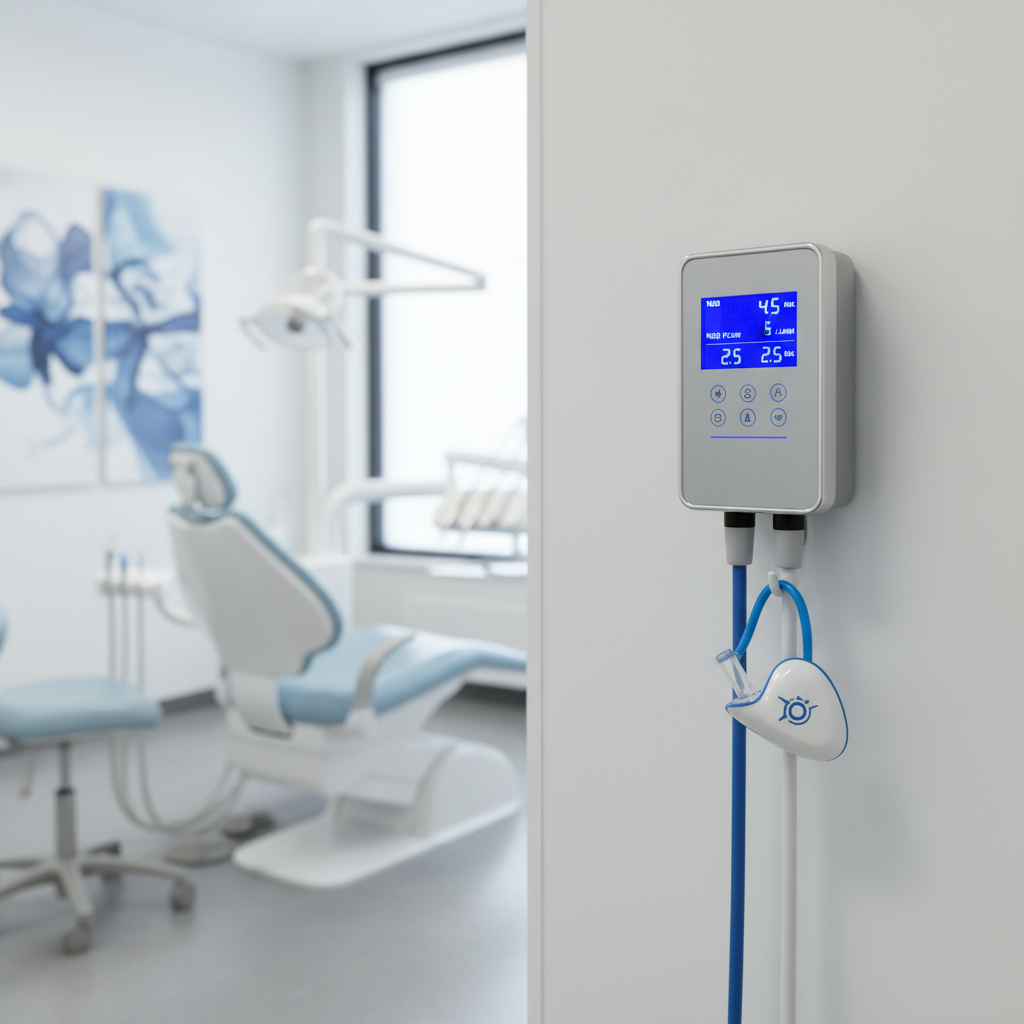
Planning Your Bowling Green Dental Nitrous Oxide System
Installing a nitrous oxide and oxygen (N2O/O2) delivery system is a critical infrastructure project for any dental practice offering sedation. A properly designed and installed system is essential for patient safety, staff protection, and regulatory compliance. For dentists in Bowling Green, Kentucky, navigating the complex web of codes and standards from the National Fire Protection Association (NFPA), the Compressed Gas Association (CGA), and ASSE International can be daunting. This guide provides a definitive overview of the entire turnkey installation process, ensuring your system is safe, efficient, and built to last.
From initial design and equipment selection to the final post-installation verification, we will cover the key steps and considerations. You will learn about the specific requirements for medical gas piping, the importance of a properly functioning scavenging system, the role of central alarms, and the critical certifications required for both the system and the technicians who install it.
Code-Compliant Design: The Foundation of Safety
A compliant nitrous oxide system begins with a compliant design. Before any physical work begins, a comprehensive plan must be developed that adheres to the strict requirements of NFPA 99, Health Care Facilities Code. This is not an optional step; it is the foundation of a safe medical gas system.
NFPA 99 Requirements for Dental Offices
NFPA 99 categorizes dental offices as a "Category 3" facility, which has specific implications for the design of the medical gas system. Key design considerations include:
- Central Supply vs. Portable Cylinders: While small, single-operatory practices might use portable E-cylinders, any multi-operatory setup requires a central supply system. This consists of a manifold, typically located in a dedicated, secure, and well-ventilated room, that automatically switches from the primary "in-use" bank of cylinders to the "reserve" bank.
- Piping and Distribution: The plan must map out the entire piping route from the central supply manifold to each operatory. All piping must be medical-grade, ASTM B819 seamless copper tubing, cleaned for oxygen service, and brazed by a qualified ASSE 6010 Certified Medical Gas Installer.
- Shut-off Valves: The design must include zone valves, allowing specific areas or "zones" of the practice to be isolated for maintenance or in an emergency without shutting down the entire facility.
- Scavenging System: A dedicated and active scavenging system is mandatory. This is not the same as your general dental suction. It must be a purpose-built system designed to safely capture and remove exhaled nitrous oxide from the operatory, protecting your staff from the health risks of long-term exposure.
Sizing and Placement
Properly sizing the system is crucial. This involves calculating the practice's peak demand for N2O/O2 to determine the appropriate size for the manifold and the number of cylinders required. The location of the manifold room is also a critical design decision. Per NFPA 99, it must be located away from public traffic, have adequate ventilation, and be constructed of materials with a specific fire-resistance rating.
Why this matters for compliance: A flawed design can lead to costly change orders during construction, failed inspections, and significant safety hazards. Submitting a design that is not compliant with NFPA 99 can delay your project for weeks or months. Engaging a firm like Medical Testing Solutions early in the process ensures your design is right from the start.
Essential Equipment for a Turnkey N2O/O2 System
Once the design is finalized, the next step is selecting the right equipment. A turnkey nitrous oxide system involves several key components working together.
Central Manifold and Alarms
The "heart" of your system is the central supply manifold. For nitrous oxide and oxygen, this is typically an automatic changeover manifold. It holds banks of large H-cylinders and automatically switches from the primary bank to the reserve bank when pressure drops, ensuring an uninterrupted gas supply. This manifold must be connected to a master alarm panel, which provides audible and visual alerts for conditions like "Reserve in Use" or "High/Low Pressure."
In-Room Flowmeters and Outlets
In each operatory, a dental flowmeter is used to control the mixture and flow rate of N2O/O2 delivered to the patient. These units connect to the wall via specific DISS (Diameter Index Safety System) outlets for N2O and O2, which are designed to be gas-specific to prevent accidental cross-connection.
Scavenging System Components
A complete scavenging system includes the nasal hood or mask, the vacuum control block, and the tubing connecting it to a dedicated medical vacuum pump. The vacuum pump must be sized correctly to provide the specific flow rate recommended by the nasal hood manufacturer to be effective.
Equipment Brand Comparison
Several reputable brands manufacture dental nitrous oxide equipment. Here is a general comparison:
| Brand | Key Features | Common Models | Scavenging System |
|---|---|---|---|
| Porter Instrument | Leader in the market, known for reliability and precision. Offers both digital and analog flowmeters. | Porter MXR, Silhouette | Silhouette Low-Profile Nasal Mask & System |
| Accutron Inc. | Known for innovative scavenging circuits and single-use nasal hoods. Popular for its focus on asepsis. | Accutron Digital Ultra, Accutron ClearView | ClearView Single-Use Nasal Hoods |
| Belmed | Offers a range of durable and cost-effective flowmeters and manifolds. | Belmed PC7, Belmed Analog | Belmed scavenging systems |
| Matrx by Parker | A long-standing name in the industry, offering robust and simple-to-use equipment. | Matrx MDM, Matrx Quantiflex | Matrx scavenging systems |
The ASSE 6010 Installation Process
The physical installation of the medical gas piping system is a highly specialized trade governed by the ASSE 6010 Professional Qualification Standard. Only technicians holding this certification are qualified to install medical gas systems.
Key Steps in a Compliant Installation:
- Material Handling: All copper tubing and fittings are delivered to the site capped and sealed from the manufacturer. They must be stored in a clean, dry location and remain sealed until the moment of installation.
- Brazing with Nitrogen Purge: As the technician brazes each joint, they must simultaneously purge the inside of the pipe with a continuous flow of dry nitrogen. This process, required by NFPA 99, displaces oxygen and prevents the formation of toxic copper oxides on the interior pipe wall.
- Proper Support and Labeling: The installed piping must be properly supported at specified intervals. Once installed, the entire piping system must be clearly labeled with the gas name and direction of flow.
- Outlet and Manifold Installation: The technician will install the DISS gas outlets in each operatory and mount the central manifold and alarm panels in the designated mechanical space.