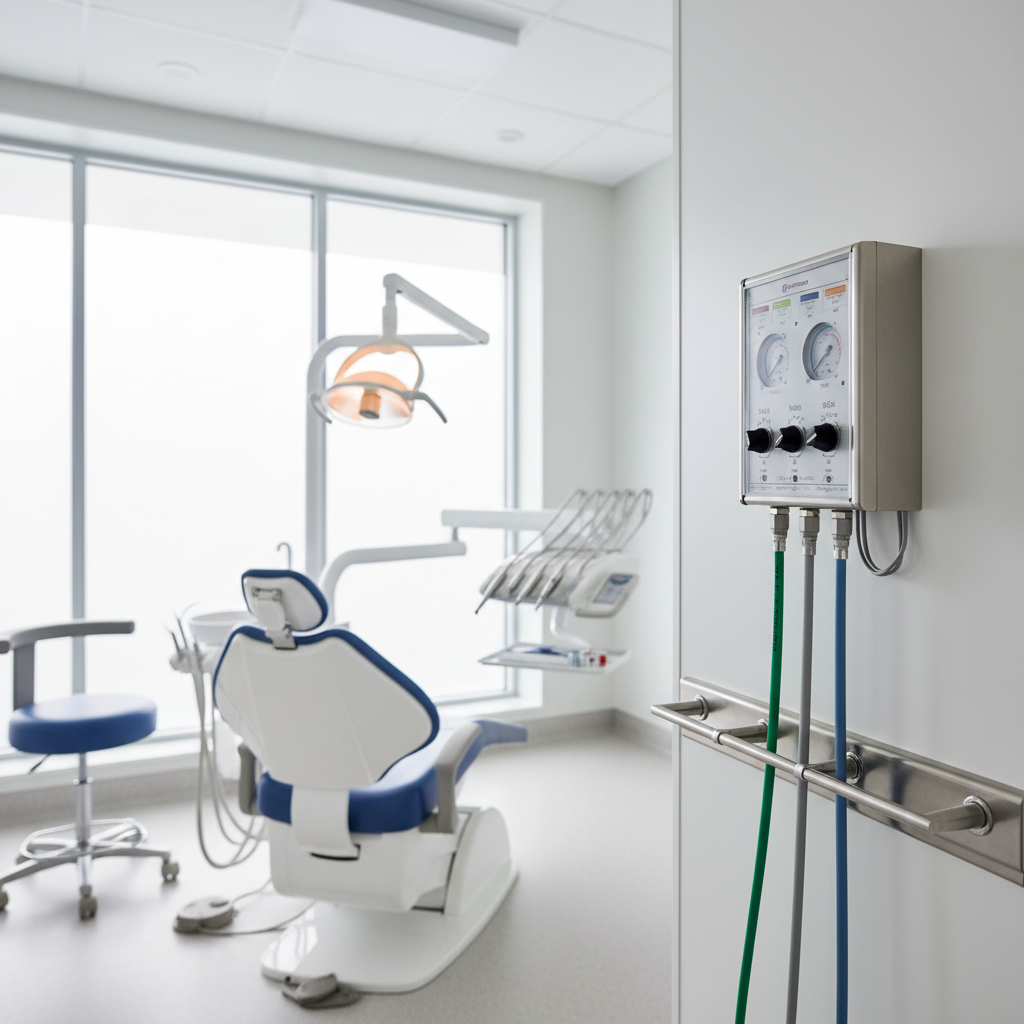
Turnkey Dental Nitrous Oxide Installation in Arlington, VA: A Comprehensive Guide
Installing a nitrous oxide and oxygen (N2O/O2) system in your Arlington, VA, dental office is a significant investment in patient comfort and your practice's capabilities. However, it's also a complex process governed by stringent safety codes and standards. A compliant installation is not just about connecting pipes; it's about ensuring the safety of your patients and staff, adhering to national and local regulations, and building a reliable system that will serve your practice for years to come. This guide will walk you through the entire process, from initial design and equipment selection to the critical final verification and certification.
You will learn the key components of a compliant dental sedation system, the codes you must follow (like NFPA 99), the importance of proper scavenging and alarms, and the steps involved in a professional, turnkey installation performed by ASSE 6010 certified technicians. We'll cover everything you need to know to partner with an expert like Medical Testing Solutions for a seamless and safe installation.
Understanding the Core Components of a Dental N2O/O2 System
A dental nitrous oxide system is more than just the flowmeter in the operatory. It's a complete, integrated medical gas pipeline system. Understanding the key components is the first step in planning your installation.
1. Gas Source & Manifold
This is the heart of your system. For N2O and O2, this typically consists of high-pressure cylinders managed by a manifold.
- Primary & Secondary Cylinders: The system is designed with a primary bank of cylinders in use and a secondary (reserve) bank that automatically takes over when the primary is depleted. This ensures an uninterrupted gas supply, as required by NFPA 99.
- Manifold: The manifold is the control center that regulates the pressure from the high-pressure cylinders down to a usable pipeline pressure (typically 50-55 psi). It also handles the automatic switchover from the primary to the secondary supply.
2. The Pipeline Distribution Network
This is the network of specially prepared, medical-grade copper piping that delivers the gases from the source manifold to each operatory.
- ASTM B819 Copper Tubing: All piping must be medical-grade, cleaned, and capped for oxygen service to prevent contaminants from entering the system.
- Brazing: All joints must be brazed, not soldered, by a qualified ASSE 6010 installer to ensure the high-purity environment is maintained.
3. Operatory Zone Valves & Outlets
Control and access points are critical for both operation and safety.
- Zone Valve Boxes: Each operatory or group of operatories must have a zone valve box. This allows staff to shut off the gas supply to a specific area in an emergency without affecting the rest of the facility.
- Gas Outlets: These are the connection points in the operatory. They are gas-specific (DISS or proprietary connectors) to prevent accidental cross-connection of different gases.
4. Sedation Flowmeters & Scavenging Systems
This is the equipment your clinical team interacts with directly.
- Flowmeters: Devices like the Porter MXR or Belmed Quantum provide precise control over the mixture of N2O and O2 delivered to the patient. Regular service is crucial, and for that you should seek dental flowmeter repair and calibration from certified experts.
- Scavenging System: This is a critical safety component. It's an active vacuum system that removes exhaled waste anesthetic gas (WAG) from the room, protecting your staff from chronic exposure.
5. Alarm Systems
NFPA 99 mandates a robust alarm system to monitor the status of your medical gas supply.
- Master Alarms: Located in an area of continuous surveillance, these alarms monitor the source equipment, alerting staff to a switchover to the secondary supply or high/low pressure conditions.
- Area Alarms: Placed in individual operatories, these monitor the pipeline pressure within that specific zone, providing immediate alerts for any pressure issues.
NFPA 99: The Code Governing Your Installation
The National Fire Protection Association's standard, NFPA 99, Health Care Facilities Code, is the primary document governing the installation, testing, and maintenance of medical gas systems. It is not a suggestion; it is the law in most jurisdictions, including Arlington, VA.
Why this matters for compliance: Failure to comply with NFPA 99 can result in failed inspections, costly rework, operational downtime, and most importantly, significant safety risks. Your insurance carrier and local authorities expect and require full compliance.
Key NFPA 99 requirements for a dental office installation include:
- System Category: Dental offices typically fall under Category 2 systems, which have slightly less stringent requirements than Category 1 (hospital operating rooms) but are still highly regulated.
- Installer Certification: NFPA 99 (Chapter 5) requires that all installation work, including brazing, be performed by individuals certified to the ASSE 6010 standard for Medical Gas Systems Installers.
- Piping & Materials: Specifies the use of seamless ASTM B819 medical gas tubing and requires specific cleaning and brazing procedures (using a nitrogen purge).
- Verification: Mandates that a new or modified system be fully tested and verified by a third-party agency credentialed to ASSE 6030. This is not optional. Medical Testing Solutions provides this crucial medical gas verification service.