Skip to content
    New: Medical Gas Outlet Retrofit & Rebuild Matrix — cross-reference legacy Chemetron, Ohio Diamond, Puritan-Bennett & more →
    ASSE Certified 24/7
    Medical Gas Service
    Compliance & Standards

    Dental Flowmeter Repair Oklahoma City OK: Flat-Rate $750 Mail-In Service

    Medical Testing SolutionsOctober 28, 202613 min read
    Share
    Dental Flowmeter Repair Oklahoma City OK: Flat-Rate $750 Mail-In Service

    Dental Flowmeter Repair Oklahoma City OK: Complete Mail-In Guide

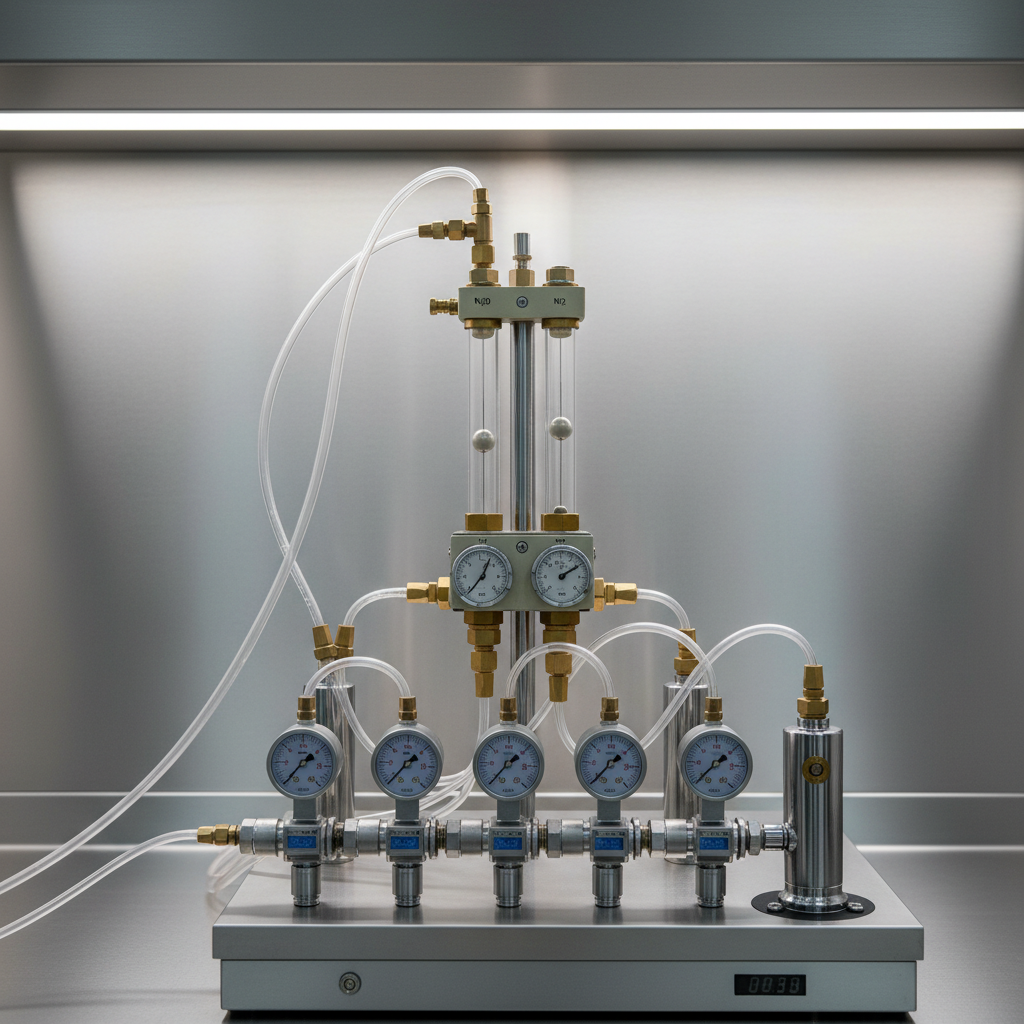
    If your Oklahoma City dental practice delivers nitrous oxide/oxygen conscious sedation, your flowmeter is the clinical and legal centerpiece of your operatory. When an analog glass indicator sticks, a digital proportioner drifts, or an internal O2 fail-safe valve leaks, patient safety and regulatory compliance are immediately compromised. Local biomedical field repair services in the Oklahoma City metropolitan area often carry steep trip fees, unpredictable hourly labor charges, and long lead times for specialized replacement parts.

    Medical Testing Solutions provides a streamlined, dependable solution: our flat-rate $750 mail-in dental flowmeter repair and calibration program. Whether you operate a general dental clinic in Downtown OKC, a pediatric dental surgery center in Edmond, or an oral maxillofacial surgical suite in Norman, you can safely ship your defective unit directly to our specialized service laboratory.

    In this comprehensive guide, Oklahoma dental practitioners, clinic managers, and biomedical technicians will learn the mechanics of dental flowmeter failure, life-safety standards under NFPA 99 and ASSE guidelines, detailed manufacturer considerations for Porter, Accutron, Belmed, and Matrx, and how our flat-rate service program restores your equipment to original factory specifications.


    The Critical Role of Nitrous Oxide Flowmeters in Dental Sedation

    Dental flowmeters do not merely blend gases; they enforce physiological safety thresholds. Whether delivering mild anxiolysis or moderate conscious sedation, standard clinical practice mandates delivering an absolute minimum concentration of 30% oxygen (O2) and a maximum of 70% nitrous oxide (N2O). Contemporary conscious sedation units are engineered with mechanical or digital interlocking mechanisms designed to make the delivery of a hypoxic gas mixture impossible under standard operating pressures (typically 50 to 55 psig).

    When internal components degrade, these safeguards can fail silently. Degrading elastomeric seals, particulate contamination from copper pipeline scale, or diaphragm fatigue inside proportioning blocks can result in inaccurate gas delivery, dangerous trace gas accumulation in operatory breathing zones, or total system lockup.

    Why this matters for compliance:
    The NFPA 99 Health Care Facilities Code (2024 Edition, Chapter 15: Dental Gas and Vacuum Systems) classifies nitrous oxide and oxygen delivery networks under strict sedation criteria. Operating an out-of-calibration or leaking flowmeter violates both delivery equipment standards and ambient air exposure thresholds established by OSHA and NIOSH, exposing facilities to liability and accreditation penalties.


    Common Flowmeter Malfunctions in Oklahoma City Dental Practices

    Operating across Oklahoma County and the broader OKC metro area exposes dental equipment to high clinical utilization and variable facility conditions. Over thousands of operational hours, flowmeters inevitably encounter standard failure profiles across mechanical, pneumatic, and digital assemblies:

    1. Nitrous Oxide Fail-Safe Failure

    The O2 fail-safe mechanism is designed to immediately shut down nitrous oxide delivery if pipeline or cylinder oxygen supply pressure drops below safe operational limits (typically 30–35 psig). Over time, the internal spring-loaded elastomer seat dries out, cracks, or captures microscopic particulate, causing N2O to seep through even when oxygen pressure is entirely absent.

    2. Proportioning Valve Drift and Ratio Imbalance

    Analog gear trains and digital stepper-controlled proportioning blocks must reliably adjust gas percentages across total flow rates ranging from 1 to 10 liters per minute (LPM). Ratio drift occurs when internal flow channels develop micro-obstructions or when needle valves wear unevenly, leading to discrepancies between the faceplate dial readings and actual gas output.

    3. Glass Indicator Tube Binding and Float Sticking

    Mechanical flowmeters utilize precision-bored glass Thorpe tubes housing calibrated glass or metallic floats. Humidity, vaporized lubrication oils, and airborne particulate can bypass inlet filtration, coating the inner tube walls and causing the floats to stick, drag, or register false delivery rates.

    4. Emergency O2 Flush Valve Bypass Leaks

    The oxygen flush valve must deliver a surge flow (typically 20 to 30 LPM) of pure oxygen at the press of a button to quickly clear sedation gases from a patient's lungs. Worn internal quad-rings or damaged poppet seals often cause the flush mechanism to continuously bleed oxygen into the mixing chamber or leak audibly behind the faceplate.

    5. Resuscitation Port Check-Valve Leaks

    Units equipped with direct resuscitation ports (DISS quick-connects) rely on spring-loaded check valves to isolate emergency line pressure. Worn elastomeric seats create continuous background leaks that drain facility gas cylinders and introduce persistent pressure imbalances into operatory lines.


    Brand-Specific Repair Profiles: Porter, Belmed, Accutron, and Matrx

    Different dental flowmeter brands utilize distinct mechanical engineering philosophies. Servicing these units requires specialized test jigs, brand-matched replacement kits, and deep familiarity with manufacturer tolerances. | Diagram text | |, | | MANUFACTURER COMPARISON: FLOW ENGINE ARCHITECTURE | | Mechanical Gear Counter-Rotational Digital Stepper | | Thorpe Tube Proportioner Microprocessor | | Matrx by Parker Porter MXR Accutron Digital | | Belmed PC-7 Accutron Ultra Porter Silhouette |

    Porter Instrument (MXR, MXR-1, Digital MD)

    Porter is widely regarded as an industry benchmark. The flagship Porter MXR features a precision counter-rotational gear design that mechanically links the oxygen and nitrous control knobs, ensuring oxygen never drops below 30%. Common repair issues include worn gear teeth, hardened O-ring seals inside the proportioning block, and degraded diaphragm assemblies within the internal pressure cut-off block. Our technicians rebuild the complete mechanical gear interface, replace internal packings, and recalibrate flow across all percentages.

    Accutron (Ultra-PC %, Digital Ultra, Newport)

    Accutron analog flowmeters (such as the Ultra-PC % Flowmeter) utilize a single-dial percentage control coupled with total flow delivery controls. Their digital counterparts rely on internal solenoid banks, electronic pressure transducers, and microprocessors. Typical failures include solenoid valve degradation, optical sensor misalignment on digital displays, and internal pneumatic circuit leakage. Servicing requires precision digital flow verification and pressure-decay validation.

    Belmed (PC-7, PC-5)

    Belmed flowmeters feature robust, heavy-duty mechanical manifolds favored by high-volume surgical clinics. Common issues involve sticky flow tubes, worn emergency flush push-rod assemblies, and check valve degradation at the back-bracket pipeline connections. Rebuilding Belmed systems requires deep ultrasonic cleaning of brass manifolds, precision valve seat lapping, and complete elastomeric renewal.

    Matrx / Midmark (Matrx Digital MD, Matrx ReliaMount, Matrx Post Mount)

    Matrx flowmeters utilize specialized dual-tube assemblies and custom fail-safe blocks. Failure modes frequently involve flow tube manifold gasket leaks, cracked clear cover shields, and internal pressure regulator drift. Rebuilding these units requires genuine manufacturer-matched diaphragms, factory-calibrated spring seats, and precise Thorpe tube alignment.


    Flat-Rate $750 Mail-In Repair vs. Local Field Service in OKC

    Oklahoma City dental practices often assume local field biomedical service is the fastest, most cost-effective path. However, reviewing total acquisition costs reveals distinct advantages for depot repair:

    ParameterLocal On-Site OKC Biomedical ServiceMTS Flat-Rate Mail-In Program
    Base Service Fee$250 – $450 (Trip charge + minimum hour)$750 Flat Rate (All inclusive)
    Labor Rates$150 – $225 per additional hourIncluded in flat rate
    Component Replacement CostsBilled separately at high markupsStandard rebuild components included
    Diagnostic & Bench Fees$150 – $250 (often non-refundable)Included in flat rate
    Test Equipment UsedHandheld portable sensorsNIST-traceable calibrated test benches
    Return ShippingN/APre-arranged, fast turnaround
    Certification DocumentationBasic service invoiceFull multi-point calibration report
    Warranty Provided30–60 days on field laborComprehensive service warranty

    Local field service technicians rarely carry the specialized rebuild fixtures, sonic cleaning tanks, and calibrated mass flowmeters required to comprehensively rebuild an internal proportioning block on-site in an operatory. Often, an on-site technician will simply diagnose the unit, remove it, charge a service call fee, ship it out to a third-party laboratory, and mark up the final invoice.

    Our flat-rate $750 mail-in program eliminates middlemen, hidden labor fees, and markup surprises. Medical Testing Solutions provides transparent pricing, rapid turnaround, and factory-grade bench calibration.


    Step-by-Step: The Medical Testing Solutions Overhaul Process

    When your dental clinic sends a flowmeter from Oklahoma City to Medical Testing Solutions, the unit undergoes a rigorous, ASSE-guided diagnostic, rebuild, and calibration sequence:

    1. Inbound Diagnostics and Pressure-Decay Verification

    Upon arrival, the unit is placed on our diagnostic intake bench. Technicians verify serial numbers, inspect external housing integrity, and run initial static pressure-decay tests on oxygen and nitrous circuits to pinpoint catastrophic seal ruptures or internal bypass leaks.

    2. Complete Tear-Down and Ultrasonic Decontamination

    The flowmeter is disassembled down to its primary manifold block. Metal channels and housings are treated in high-frequency ultrasonic cleaning tanks using medical-grade detergents to remove accumulated copper shavings, dried lubricants, and biofilm. Glass indicator tubes are scrubbed and inspected for microscopic stress fractures.

    3. Component Rebuild and Seal Replacement

    All high-wear internal components are removed and replaced:

    • High-grade fluorocarbon and Viton O-rings
    • Internal fail-safe elastomeric diaphragms
    • Check-valve springs and sealing poppets
    • Emergency O2 flush seats and actuator packings
    • Needle valve friction packing rings

    4. NIST-Traceable Multi-Point Dynamic Calibration

    The rebuilt unit is connected to mass flow meters calibrated against standards traceable to the National Institute of Standards and Technology (NIST). Technicians verify delivery volume and gas mixture ratios across the entire clinical range:

    • Minimum 30% O2 delivery floor at varying flow rates (2, 4, 6, 8, 10 LPM)
    • Proportional tracking across 40%, 50%, 60%, and 70% N2O settings
    • Accurate float stabilization without sticking or oscillation
    • Immediate cutoff of nitrous oxide delivery upon simulated oxygen pipeline depressurization (down to 0 psig)
    • Emergency O2 flush output flow rate (minimum 20–30 LPM at dynamic pressure)

    5. Multi-Hour Pressure Burn-In and Documentation

    The flowmeter undergoes a continuous 4-hour static pressure hold at 60 psig to guarantee that internal seals maintain absolute hermetic integrity under continuous pipeline stress. Upon passing, an ASSE-aligned calibration certificate is generated detailing incoming vs. outgoing performance metrics, serial numbers, and technician credentials.


    Regulatory Compliance: NFPA 99, ASSE Standards, and State Oversight

    Dental sedation equipment is subject to rigorous physical plant and clinical delivery guidelines. Maintaining flowmeters is not simply a matter of clinical preference; it is an active risk-management requirement. | Diagram text | |, | | REGULATORY FRAMEWORK FOR DENTAL SEDATION GASES | | NFPA 99 (Health Care Facilities Code, Chapter 15) | | • Governs piped gas distribution & equipment safety | | ASSE Series 6000 Professional Qualifications | | • ASSE 6010: Medical Gas Installation | | • ASSE 6030: Medical Gas Systems Verifiers | | • ASSE 6040: Medical Gas Maintenance Personnel | | OSHA / NIOSH Exposure Thresholds | | • 25 ppm REL per anesthetic administration event |

    NFPA 99 Code Requirements

    Under NFPA 99 (2024 Chapter 15), dental facilities operating Category 1 or Category 2 piped gas systems must ensure that station outlets, terminal equipment, and proportioning systems are leak-free and maintain safe pressure differentials. If an operatory flowmeter develops an internal or external leak, it introduces dangerous concentrations of anesthetic gas directly into the breathing zone of dental personnel. To verify operatory safety across your entire infrastructure, pair flowmeter maintenance with annual medical gas inspections to guarantee upstream regulators, manifolds, and zone valves match downstream equipment performance.

    ASSE 6000 Professional Standards

    Medical gas maintenance requires specialized professional qualifications:

    • ASSE 6010: Governs medical gas installation standards for pipeline integrity.
    • ASSE 6030: Dictates rigorous protocols executed during medical gas verification to confirm purity, pressure, and gas cross-connection absence.
    • ASSE 6040: Details the procedural competencies required for medical gas maintenance and repair personnel servicing healthcare life-safety systems.

    Medical Testing Solutions operates under strict ASSE Series 6000 protocols. Our technicians understand how pipeline dynamics interface directly with operatory flowmeters, ensuring field-safe performance.

    Trace Gas Exposure and Scavenging Integrity

    The National Institute for Occupational Safety and Health (NIOSH) establishes a Recommended Exposure Limit (REL) of 25 ppm for nitrous oxide in dental operatories during anesthetic administration. A malfunctioning flowmeter with worn packings or a leaking flush valve constantly bleeds nitrous oxide into the operator’s breathing zone, violating occupational safety requirements. For comprehensive protection, dental facilities regularly integrate flowmeter repairs with professional WAG and chemical vapor monitoring to document ambient air compliance.


    How OKC Practices Prepare and Ship a Flowmeter for Service

    Shipping delicate precision diagnostic and delivery hardware requires careful preparation. Follow these straightforward steps to prepare your dental flowmeter for shipment from Oklahoma City:

    Step 1: Disconnect and Depressurize

    1. Close the dedicated nitrous oxide and oxygen zone shutoff valves or individual cylinder handwheels supplying the operatory.
    2. Depress the O2 flush button on the flowmeter and simultaneously open the N2O control valve to bleed all residual pressure from supply hoses.
    3. Verify that upstream pipeline pressure gauges read 0 psig.
    4. Disconnect the diameter-index safety system (DISS) or quick-connect hoses from the back or bottom manifold of the flowmeter.

    Step 2: Remove the Unit from Mounting Hardware

    1. If mounted to a mobile cart, release the rear mounting bracket thumb screws or hex bolts while supporting the weight of the flowmeter head.
    2. If wall-mounted or cabinet-mounted via an articulated arm, loosen the stabilizing set screw and gently slide the flowmeter head off the mount pin.
    3. Note: Do not ship heavy swing arms, mounting poles, or floor stands. Only the flowmeter head and direct manifold block need to be sent.

    Step 3: Secure Critical Components and Pack

    1. Wrap the entire flowmeter head in at least three layers of heavy-duty bubble wrap, taking special care to cushion the glass indicator tubes and faceplate knobs.
    2. Use a heavy-duty, double-walled corrugated shipping box. Place a 2-inch layer of dense packing foam or packing peanuts at the bottom.
    3. Place the wrapped flowmeter in the center and fill all remaining voids with dense packing material to ensure zero movement during transit.
    4. Include your practice contact information, return shipping address, and a brief description of any specific symptoms noticed by your clinical staff.

    Step 4: Dispatch via UPS, FedEx, or USPS

    Ship the package via insured courier service directly to Medical Testing Solutions. Once received, our diagnostic team immediately checks in your unit and begins the overhaul sequence.


    Comprehensive Medical Gas Solutions by Medical Testing Solutions

    In addition to our nationwide flat-rate dental flowmeter program, Medical Testing Solutions is an established industry leader in healthcare gas infrastructure. Headquartered in Fort Lauderdale, Florida, MTS serves hospitals, surgery centers, dental networks, and veterinary facilities nationwide. | Diagram text | |, | | MEDICAL TESTING SOLUTIONS SERVICE ECOSYSTEM | | ASSE 6010 Medical Gas Installation Services | | ASSE 6030 Comprehensive System Verification | | Annual Life-Safety Facility Inspections & Audits | | Preventative Gas Maintenance Programs | | Trace Gas & Environmental Vapor Exposure Testing | | Nationwide Flat-Rate Dental Flowmeter Depot Overhaul | Whether your facility requires complete system medical gas maintenance services, formal third-party medical gas certification, or specialized life-safety hardware through our products catalog, Medical Testing Solutions provides the technical expertise and regulatory rigor your clinic demands.


    Restore Your Dental Flowmeter to Peak Performance

    Do not let an uncalibrated, leaking nitrous oxide flowmeter compromise patient safety or expose your Oklahoma City practice to regulatory liability. Medical Testing Solutions makes certified equipment maintenance predictable, affordable, and fully compliant with national safety codes.

    Ready to service your operatory flowmeters?

    • Initiate Your Service Request: Request a Flat-Rate Quote
    • Direct Clinical Support: Call our biomedical service specialists directly at (754) 315-1078
    • Inquire Online: Connect with our team through our contact page

    Trust Medical Testing Solutions to deliver precision calibration, factory-grade performance, and total compliance for your dental conscious sedation equipment.


    Frequently Asked Questions

    Standard bench overhaul and calibration turnaround at our facility is typically 3 to 5 business days. Factoring in two-way courier shipping between Oklahoma City and our laboratory, practices usually have their certified unit reinstalled and operational within 7 to 10 business days. Expedited bench turnaround is available upon request.

    Our $750 flat-rate program covers complete diagnostic intake, ultrasonic manifold cleaning, replacement of all standard internal seals, O-rings, poppets, check valves, and diaphragms, precision mechanical gear adjustments, emergency O2 flush rebuilding, NIST-traceable dynamic flow calibration, and our comprehensive documentation report. Only catastrophic physical structural damage (such as a cracked cast aluminum housing block or broken digital motherboards) falls outside the standard overhaul pricing.

    Industry best practice, guided by NFPA 99 recommendations and manufacturer guidelines (including Porter and Accutron), mandates that dental nitrous oxide flowmeters receive professional bench testing and calibration verification at least once every two years. High-volume pediatric and oral surgery practices should consider annual certification to minimize clinical liability.

    No. Attempting in-house disassembly of medical gas delivery proportioners introduces severe clinical risks. Flowmeters contain precision spring-loaded fail-safes and micro-machined gas channels that require calibrated torque tolerances, medical-grade lubricants, and NIST-traceable mass flow test benches to re-verify safely. Improper reassembly can lead to silent fail-safe failure, resulting in patient hypoxia or toxic trace gas leakage.

    Yes. Depending on current inventory availability, Medical Testing Solutions maintains a fleet of Porter and Accutron loaner flowmeters that can be dispatched to your Oklahoma City practice to prevent operatory downtime during the rebuild process. Inquire with our customer service team when initiating your service ticket.

    This article is provided for educational purposes and reflects industry standards as of publication. Always verify against current NFPA 99, CGA, and AHJ requirements. Medical Testing Solutions is ASSE-certified and ready to help — contact us for facility-specific guidance.

    Request a quote for your facility

    Talk with Medical Testing Solutions about your next inspection, repair or equipment request.

    Get a quote in 1 business day

    I agree to receive text messages from Medical Testing Solutions, L.L.C. at the phone number provided, including informational and marketing messages. Consent is not a condition of purchase. Message frequency varies. Message & data rates may apply. Reply STOP to opt out or HELP for help. See our Privacy Policy and Messaging Terms.

    Prefer to talk? Call (754) 315-1078

    Related articles