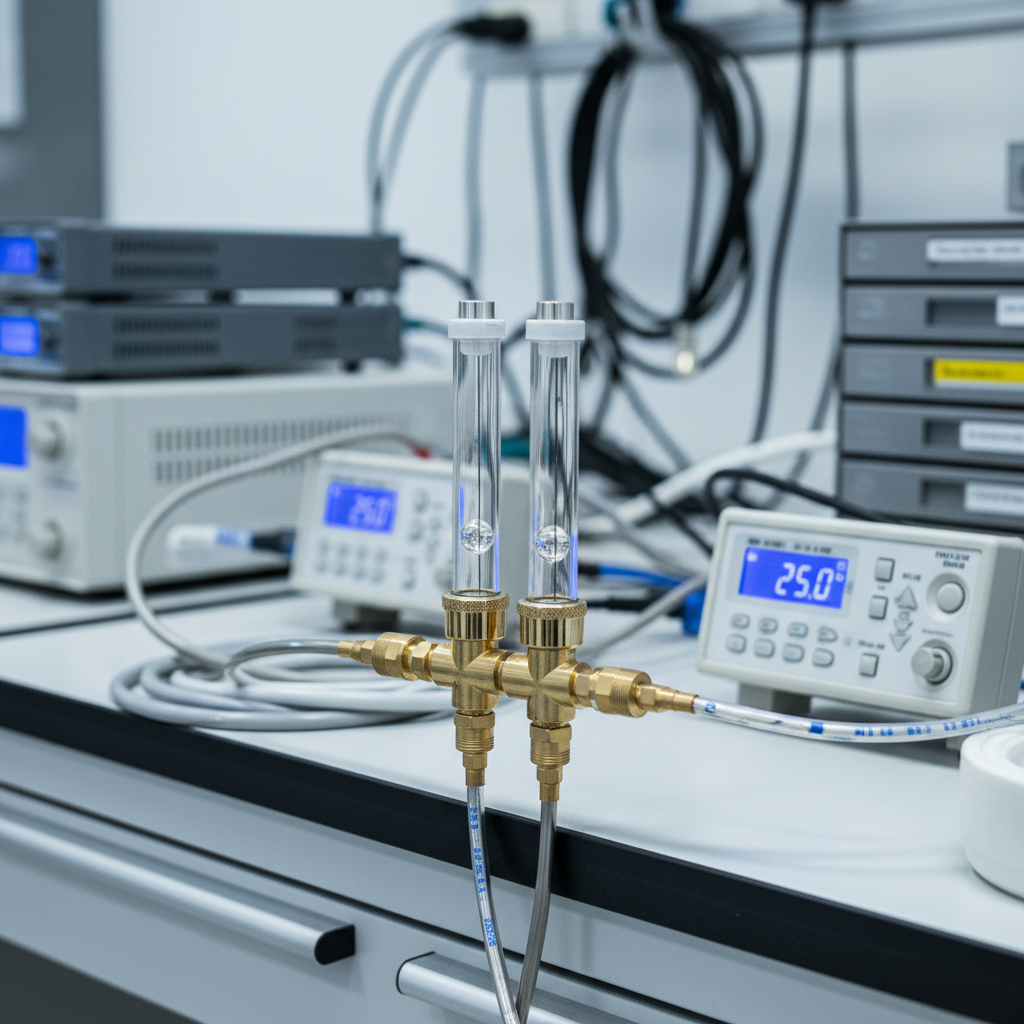
Dental Flowmeter Repair New Orleans LA: Fast $750 Flat-Rate Service
Finding prompt, certified dental flowmeter repair in New Orleans, LA often leaves practice managers caught between slow local biomedical equipment middlemen and predatory OEM pricing. Dental nitrous oxide-oxygen sedation units are precision life-support machines subject to rigorous clinical and life-safety standards. When a flowmeter experiences an internal leak, a stuck glass indicator float, an erratic proportioning valve, or a failed oxygen fail-safe mechanism, your operatory comes to an immediate, expensive halt.
In this comprehensive guide, you will learn how New Orleans dental practices can access certified, factory-grade repairs for Porter, Belmed, Accutron, and Matrx nitrous flowmeters via a predictable $750 flat-rate depot model. We will examine the critical technical failure points of mechanical and digital units, detail strict compliance mandates under NFPA 99 (Health Care Facilities Code) and CGA standards, outline exact calibration tolerances, and provide a step-by-step shipping and return protocol that eliminates operatory downtime.
The True Cost of Dental Sedation Downtime in New Orleans Clinics
Dental sedation is a cornerstone of patient comfort and procedural revenue for general, pediatric, periodontal, and oral surgery practices across Orleans, Jefferson, and St. Bernard Parishes. When an operatory flowmeter goes out of commission, the impact ripples across the practice schedule:
- Lost Chairside Revenue: Sedation-dependent procedures (impacted extractions, pediatric pulpotomies, extensive crown preparations) must either be rescheduled or referred out, costing practices anywhere from $800 to $2,500 per cancelled block.
- Patient Retention Risks: Patients presenting with acute dental anxiety rely on inhalation analgesia. Forcing conscious patients through complex restorations without nitrous oxide erodes trust and spikes appointment cancellation rates.
- Emergency Scrambles: Local field technicians lacking dedicated flowmeter calibration equipment frequently charge high travel fees just to diagnose what is already obvious: the block requires a depot-level overhaul.
Rather than paying open-ended hourly bench fees or spending $2,800 to $5,000 on a brand-new head, forward-thinking clinics utilize dedicated depot services. Through our nationwide laboratory, Medical Testing Solutions provides a standardized, flat-rate $750 dental flowmeter repair and calibration service engineered to return clinical units to original manufacturer specifications within days.
Flat-Rate $750 Repair vs. Local Biomedical Middlemen
Most dental practices in the Greater New Orleans area assume their only options are local general-purpose biomedical service vendors or manufacturer trade-in programs. However, general equipment service providers rarely possess the specialized flow-calibration columns, certified gas mixtures, and brand-specific overhaul fixtures required for true fail-safe recertification.
| Service Feature | Local Biomedical Middlemen | OEM Trade-In / Exchange | MTS Flat-Rate Depot Service |
|---|---|---|---|
| Pricing Model | $150–$250/hr + parts + travel | $1,800–$3,200 (forced swap) | $750 Flat Rate |
| Diagnostic Fee | Often billable ($150+) | Included in replacement fee | Included in flat rate |
| Replacement Seals & O-Rings | Billed separately at high markup | Factory new head | Included (complete rebuild) |
| O2 Fail-Safe Validation | Basic check / often uncertified | Factory verified | Certified dynamic verification |
| NIST-Traceable Certification | Inconsistent or extra charge | Included | Standard documentation included |
| Turnaround Time | 2–6 weeks (waiting on parts) | 1–3 weeks | 48–72 hr bench turnaround |
| Supported Brands | Limited brand familiarity | Single brand only | Porter, Belmed, Accutron, Matrx |
By bypassing local middlemen and shipping directly to our ASSE-certified laboratory, New Orleans practices gain factory-level calibration without paying variable diagnostic or unexpected parts fees.
Technical Failure Modes: What Goes Wrong Inside Your Flowmeter?
Nitrous oxide-oxygen sedation units mix two compressed medical gases to deliver safe, therapeutic concentrations to conscious patients. Over years of daily clinical use, internal mechanical and pneumatic components degrade. | Diagram text | |, | | [Pipeline Gases: O2 @ 50 PSI N2O @ 50 PSI] |
1. Hardened Elastomers and Internal O-Ring Leakage
Internal gas distribution manifolds rely on medical-grade Viton and silicone O-rings to isolate the 50 PSI oxygen and nitrous oxide streams. Continuous exposure to dry, high-pressure medical gases combined with ambient humidity in southern Louisiana causes elastomers to lose elasticity, harden, and develop micro-fissures. This leads to inter-circuit gas cross-contamination or continuous low-volume leakage into the operatory ambient air.
2. Oxygen Fail-Safe Valve Drift
Every compliant dental flowmeter features an internal mechanical fail-safe valve (such as the Porter ratio-reversion system or Matrx proportioning block). If the building's oxygen supply drops below safe operating limits (typically ~25–30 PSI), this valve must instantly and completely cut off the nitrous oxide supply to prevent delivery of a hypoxic mixture. Spring fatigue or debris on the valve seat can cause the fail-safe to stick open, representing a severe clinical hazard.
3. Flow Tube Fouling and Indicator Float Sticking
Rotameter flowmeters use precision-machined glass tubes with internal diameter tapers that allow a stainless steel or glass float to rise proportionally with gas volume. Particulate matter from old copper pipeline brazing, deteriorated pipeline filters, or oil contamination causes floats to drag or hang. If an indicator float sticks, the reading on the scale will not reflect the actual volume of gas delivered to the patient.
4. Proportioning Valve Calibration Loss
Digital and analog dial heads (such as the Accutron Ultra PC or Porter MXR) use internal gears and metering needles to guarantee a minimum concentration of 30% oxygen at all times. Mechanical wear on gearing, loose set screws, or needle seat pitting compromises the ratio-control assembly, allowing oxygen concentrations to drift out of acceptable clinical tolerances.
Regulatory and Safety Standards: NFPA 99, ASSE, and CGA
Dental sedation equipment is heavily regulated because improper delivery or persistent leakage directly impacts patient life-safety and clinical worker health.
Why this matters for compliance:
Under NFPA 99 (Health Care Facilities Code), Chapter 15, dental facilities administering nitrous oxide are classified as Category 2 or Category 3 medical gas systems. Section 15.4 mandates that all gas delivery devices, pressure controls, and scavengers be maintained in a safe, leak-free operating condition with regular performance verification. Furthermore, OSHA's General Duty Clause and NIOSH guidelines target occupational nitrous oxide exposure, requiring operatory ambient levels to remain below 25 ppm time-weighted average during administration.
Relevant Codes Governing Dental Nitrous Systems:
- NFPA 99 (2024 Edition), Section 15.4.3: Requires annual operational testing and verification of all dental gas piping systems, zone valves, and delivery equipment.
- ASSE Series 6000 (Professional Qualifications Standard): Technicians evaluating, certifying, or verifying medical gas systems and downstream components must hold applicable certifications such as ASSE 6030 (Medical Gas Verifier) or ASSE 6040 (Medical Gas Maintenance Personnel).
- CGA Pamphlet E-1 / P-2: Sets strict specifications for non-interchangeable medical gas connections, color coding, and gas-specific DISS/quick-connect pin indexing to prevent gas cross-connection.
Medical Testing Solutions approaches every equipment rebuild with deep regulatory insight. In addition to flowmeter overhauls, our field engineers execute ASSE 6030 medical gas verification and complete annual medical gas inspections to keep healthcare facilities fully compliant with Joint Commission and state Department of Health criteria.