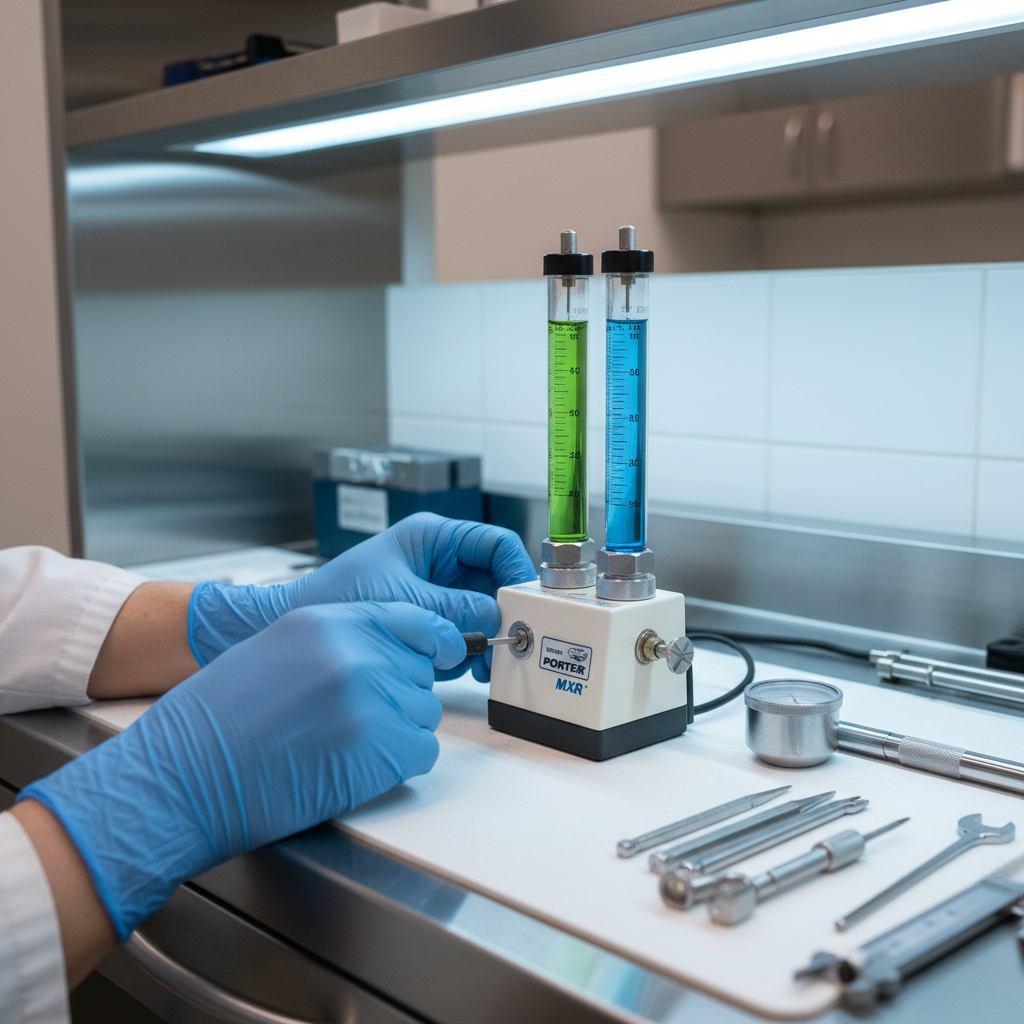
Dental Flowmeter Repair Chicago IL: Fast, Flat-Rate Service for Your Practice
For dental practices in Chicago, a fully functional nitrous oxide flowmeter is non-negotiable. It's the heart of your sedation system, ensuring patient comfort and safety by delivering a precise blend of nitrous oxide and oxygen. When this critical piece of equipment malfunctions, it can disrupt your schedule, compromise patient care, and create significant compliance risks. This definitive guide explains the common signs of flowmeter failure, the risks of ignoring them, and how Medical Testing Solutions provides a fast, flat-rate repair service for practices throughout the Chicago area.
Is Your Dental Flowmeter Failing? Common Signs and Symptoms
Years of use can take a toll on even the most reliable flowmeters. Here are the most common signs that your unit needs professional service:
Inaccurate Flow Readings or Fluctuating Needles
If the floats in your glass tubes are sticking, jumping, or not corresponding to the knob adjustments, the gas mixture is likely inaccurate. This is a critical failure that can impact patient safety.
Audible Leaks
An audible hissing sound around the unit is a clear sign of a leak. Even small leaks can waste expensive gas and, more importantly, may indicate a compromised seal, which is a safety hazard.
Physical Damage
Cracked or cloudy viewing glass, broken control knobs, or damaged yokes connecting to the gas tanks compromise the unit's function and safety. Don't operate equipment with visible physical damage.
Failure of the Oxygen Fail-Safe Mechanism
A key safety feature of all modern flowmeters is the oxygen fail-safe. It's designed to stop the flow of nitrous oxide if the oxygen supply is interrupted. If this mechanism fails, you risk delivering a hypoxic mixture to the patient. This must be tested regularly.
Why You Can't Ignore Flowmeter Problems: Safety and Compliance Risks
Operating a faulty dental flowmeter is not just an inconvenience; it's a significant liability. Incorrect gas concentrations can lead to inadequate sedation or, in a worst-case scenario, patient hypoxia. Furthermore, regulatory and standards bodies have strict requirements for medical gas equipment.
Why this matters for compliance: Per NFPA 99, Health Care Facilities Code (2024 edition), all medical gas system components, including flowmeters and other patient-care gas equipment, must be maintained in a safe, operable condition. Failure to maintain equipment can result in citations during inspections and jeopardize your facility's accreditation and patient safety. Regular annual medical gas inspections are crucial for identifying potential issues before they become critical failures.
Repair vs. Replace: A Cost-Benefit Analysis
When a flowmeter fails, the immediate question is whether to repair or replace it. While a brand-new unit is an option, repairing your existing flowmeter is often the smarter financial and logistical choice. Our flat-rate service makes the decision even clearer.
| Factor | Repairing Your Flowmeter | Replacing with a New Unit |
|---|---|---|
| Cost | $950 Flat-Rate (with MTS) | $2,000 - $4,500+ |
| Turnaround | Typically 5-7 business days + shipping | Immediate (if in stock) to weeks (if backordered) |
| Warranty | Includes a full warranty on parts and labor | Full manufacturer's warranty |
| Sustainability | The most environmentally friendly option | Generates e-waste and consumes more resources |
| Compatibility | Guarantees original fit and function | May require plumbing or mounting modifications |