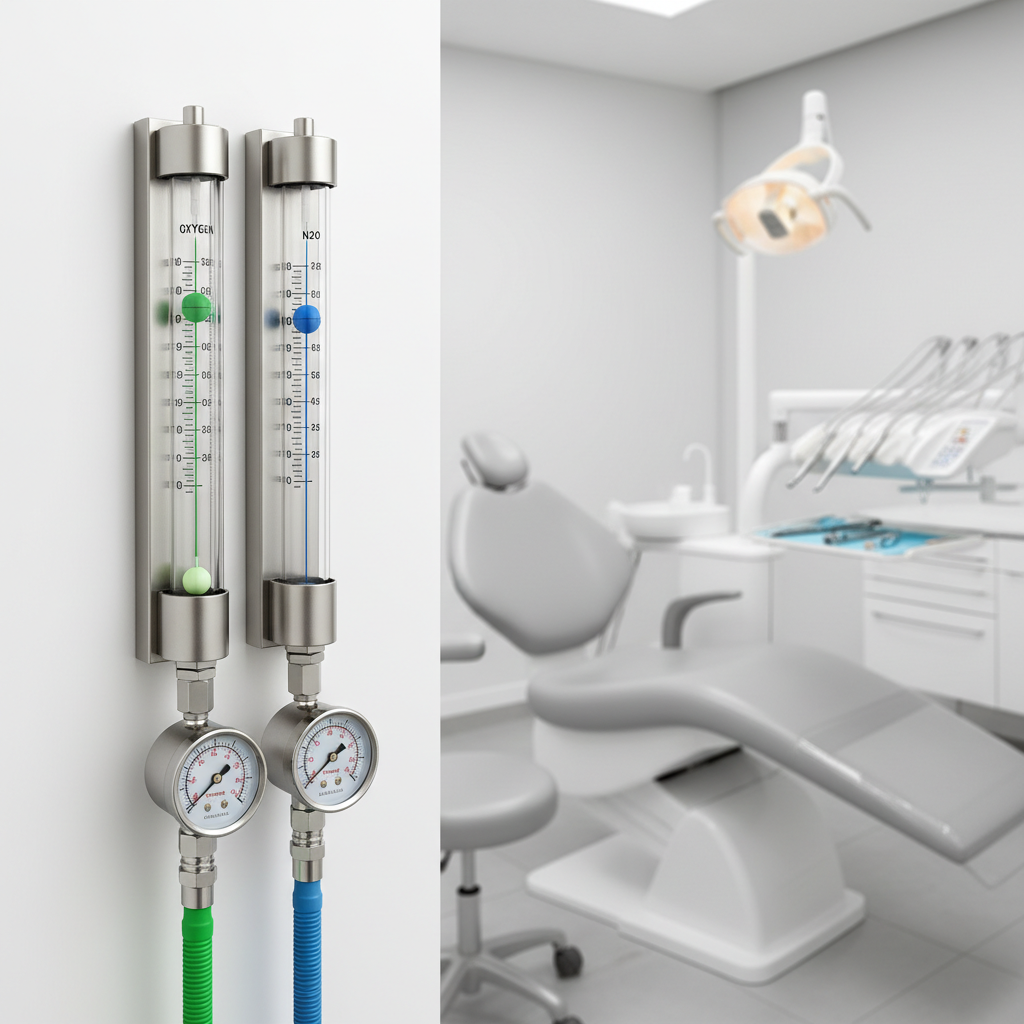
Dental Flowmeter Calibration in Stuart, FL: A Comprehensive Guide for Dentists
For dental practices in Stuart, FL, using nitrous oxide for patient sedation, the accuracy of your N2O flowmeter is not just a matter of operational efficiency, it's a critical component of patient safety and regulatory compliance. An improperly calibrated flowmeter can lead to inaccurate gas mixtures, posing risks to patients and potential liability for your practice. This guide explains the importance of regular, NIST-traceable calibration, outlines the requirements set by NFPA 99, and details how to ensure your equipment is always precise and compliant.
You will learn what NIST-traceable calibration entails, the specific standards your practice must meet, the risks of using uncalibrated equipment, and how Medical Testing Solutions provides a fast, reliable, and affordable calibration service right here for dentists in the Stuart, FL area.
What is NIST-Traceable Flowmeter Calibration?
NIST-traceable calibration is the process of comparing a flowmeter's readings to a measurement standard that is directly linked, or "traceable," to the National Institute of Standards and Technology (NIST). This ensures that the measurements your flowmeter provides are accurate according to a recognized national standard.
For a dental flowmeter, this involves testing the device at various flow rates for both nitrous oxide and oxygen. A certified technician uses a calibration instrument, itself regularly calibrated against a NIST standard, to verify that the flowmeter’s dial or digital readout matches the actual gas flow. Any deviation outside a specific tolerance (typically ±5%) requires adjustment or repair.
Why This Matters for Compliance: NFPA 99, the code governing healthcare facilities, mandates that medical gas delivery systems be maintained to ensure accuracy and safety. Using equipment with NIST-traceable calibration is the industry-accepted method for proving your facility meets these stringent requirements. Without it, you cannot verify the precise mixture of gases delivered to your patient.
NFPA 99 and ASSE 6000 Standards for Dental Sedation Systems
The National Fire Protection Association (NFPA) 99 Health Care Facilities Code is the cornerstone of medical gas safety. Several sections are pertinent to dental offices using nitrous oxide sedation:
- NFPA 99, Chapter 5 (Gas and Vacuum Systems): This chapter outlines the core requirements for the installation, testing, and maintenance of medical gas systems. It requires that systems be periodically inspected and tested to ensure they are functioning as intended.
- NFPA 99, Chapter 14 (Dental Gas and Vacuum Systems): This section provides specific guidance for dental facilities. It emphasizes the need for regular maintenance by qualified individuals to ensure patient safety.
While NFPA 99 sets the requirements, the ASSE 6000 Series of Professional Qualifications Standards defines the credentials for the technicians who work on these systems. An ASSE 6010 certified technician is qualified for medical gas system installations, while an ASSE 6030 certified verifier is essential for conducting the final system verification to ensure it meets all code requirements. When you need service, always ask for a technician’s ASSE credentials.
Medical Testing Solutions employs ASSE-certified professionals to ensure all work, from installation to annual inspections, is performed to the highest standard.
The Risks of Inaccurate Flowmeters in a Dental Setting
Using a flowmeter that hasn't been properly calibrated carries significant risks:
- Patient Safety: The primary risk is delivering an incorrect concentration of nitrous oxide. Too little may result in ineffective sedation, causing patient anxiety and discomfort. Too much can lead to oversedation, anoxia, and other serious adverse events.
- Legal and Financial Liability: In the event of an adverse patient incident, an uncalibrated or improperly maintained flowmeter can become a major point of liability, potentially leading to lawsuits and insurance claims.
- Regulatory Non-Compliance: Health department or dental board inspections can identify non-compliant equipment. This could result in fines, sanctions, or even a temporary suspension of your ability to offer sedation until the issue is rectified.
- Waste of Gas: A flowmeter that reads lower than the actual flow causes you to use more nitrous oxide and oxygen than necessary, leading to increased operational costs over time.