Nitrous oxide/oxygen sedation is a cornerstone of modern dentistry, providing safe and effective anxiety relief for millions of patients. Central to this practice is the dental flowmeter, a precision instrument responsible for delivering the correct gas mixture. However, like any medical device, its accuracy can drift over time, posing risks to patient safety and creating liability for your practice. That's why understanding and adhering to dental flowmeter annual inspection requirements is not just a regulatory hurdle, it's a critical component of your patient safety protocols. This guide will walk you through the essential standards, inspection checklists, and professional calibration procedures to keep your practice compliant and your patients safe. We'll explore the requirements set forth by NFPA 99 and ASSE, detail what inspectors look for, and explain how to use our simple, flat-rate mail-in service for expert calibration.
Dental Flowmeter Annual Inspection Requirements: A Practical Guide
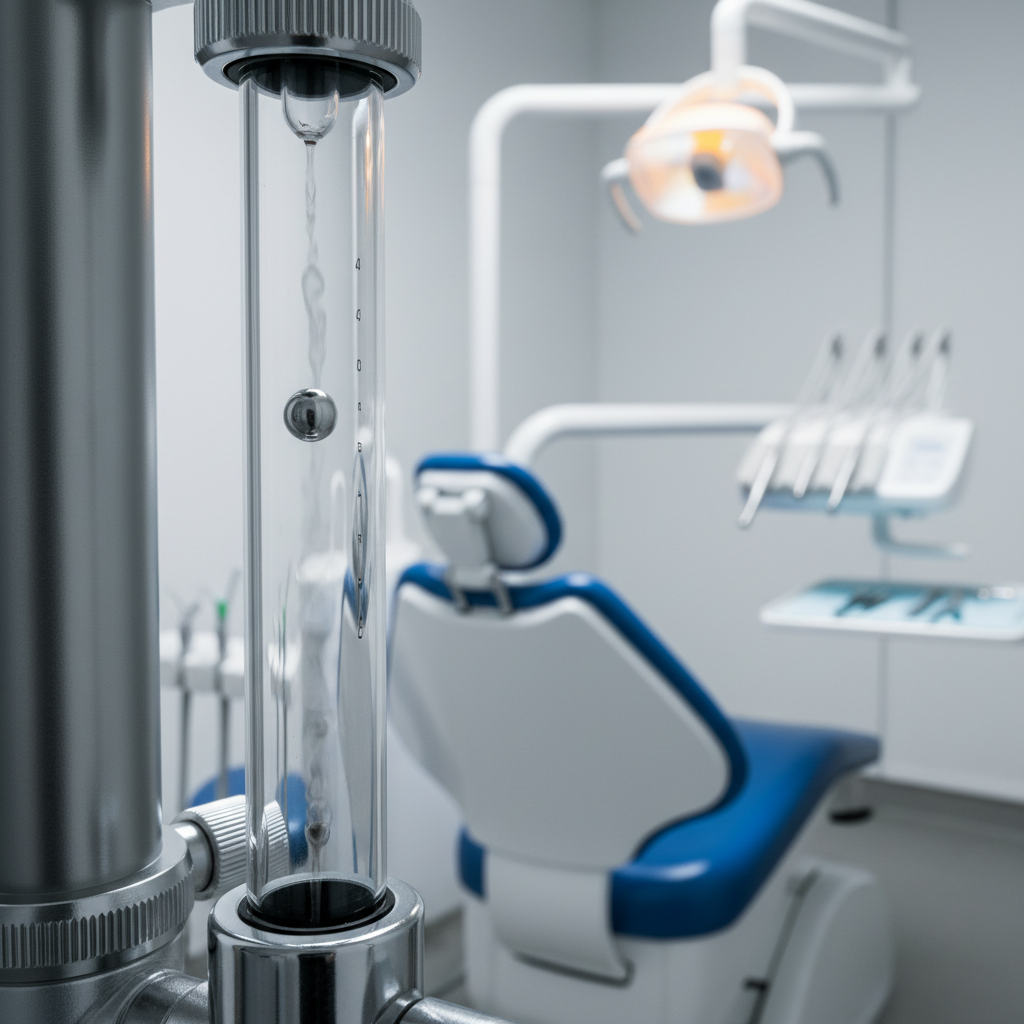
What is a Dental Flowmeter and Why is Accurate Calibration Critical?
A dental flowmeter, also known as a nitrous oxide/oxygen sedation system, is a medical device that blends oxygen and nitrous oxide into a homogenous mixture before delivering it to the patient. Its job is to provide precise, controllable, and predictable levels of conscious sedation.
The Role of Nitrous Oxide/Oxygen Sedation in Dentistry
The goal of nitrous sedation is to reduce patient anxiety and provide a mild analgesic effect, making dental procedures more comfortable. The flowmeter allows the clinician to titrate the gas mixture, starting with 100% oxygen and gradually introducing nitrous oxide until the desired level of sedation is achieved. This ability to precisely control the gas concentrations is fundamental to the technique's safety and efficacy.
How Flowmeters Ensure Patient Safety
Modern dental flowmeters have several built-in safety features. The most important is the minimum oxygen flow, which prevents the delivery of a hypoxic mixture (less than 25-30% oxygen). Another key feature is the oxygen fail-safe, which automatically shuts off the flow of nitrous oxide if the oxygen supply is interrupted. These features, however, depend on the mechanical and electronic integrity of the unit.
Risks of a Malfunctioning Flowmeter
The consequences of using an inaccurate or malfunctioning flowmeter can be severe. A device that delivers a higher-than-indicated concentration of nitrous oxide can lead to oversedation. Conversely, a device that fails to deliver the set concentration may not provide adequate anxiety relief. Most dangerously, a failure in the failsafe mechanisms could lead to the delivery of a hypoxic mixture, a life-threatening emergency. Regular, professional calibration is the only way to verify these safety features are functioning correctly and that the delivered gas mixture is accurate.
Decoding the Standards: NFPA 99, ASSE, and Manufacturer Guidelines
Compliance isn't optional. A complex web of codes, standards, and manufacturer instructions governs the use and maintenance of medical gas systems, including dental flowmeters.
NFPA 99 Requirements for Medical Gas Systems
The National Fire Protection Association (NFPA) 99, "Health Care Facilities Code," is the primary standard governing medical gas systems in the United States. Chapter 5, "Gas and Vacuum Systems," mandates that all such systems be regularly inspected, tested, and maintained. While NFPA 99 may not specify the exact calibration interval for every single device, it requires facilities to adhere to manufacturer's instructions and have a documented maintenance plan. Failure to do so can result in citations during a fire marshal inspection or Joint Commission survey.
Why this matters for compliance: Regulatory bodies and accrediting organizations view NFPA 99 as the "law of the land" for medical gas safety. A dental office is a Category 3 facility under this code, and its requirements are not suggestions. Your facility's overall system must undergo annual medical gas inspections to ensure safety from source to outlet.
ASSE 6000 Series and Personnel Certification
The American Society of Sanitary Engineering (ASSE) 6000 series provides uniform certification standards for the individuals who work on medical gas systems. Inspections and maintenance must be performed by a qualified individual, which is defined as someone holding an ASSE 6040 Medical Gas Maintenance Technician certification. This ensures the person servicing your critical life support equipment has been properly trained and tested. When you hire a company for service, always ask if their technicians are ASSE 6040 certified. Medical Testing Solutions is proud to employ a team of ASSE-certified professionals.
Why Manufacturer Recommendations are Mandatory
Every flowmeter manufacturer (e.g., Porter, Belmed, Accutron, Matrx) provides a manual with specific maintenance requirements. Universally, they require annual inspection and calibration to ensure accuracy and safety. Adhering to these recommendations is non-negotiable. Not only does it ensure the device operates as intended, but it's also a requirement under NFPA 99 and is critical for maintaining your warranty and limiting liability.
The Annual Inspection Checklist: What Exactly is Checked?
An annual inspection by a certified technician is a comprehensive process that goes far beyond a simple visual check. While procedures vary slightly by model, a full calibration and function test includes:
- Flow Accuracy Verification: The core of the service. A technician uses a calibrated testing device, like a TSI Certifier, to verify that the flow of oxygen and nitrous oxide matches the numbers indicated on the flow tubes or digital display. This is checked at multiple points across the unit's operating range.
- Leak Testing: The unit is checked for both internal and external gas leaks. Even a small, slow leak can waste expensive gas and, in the case of nitrous oxide, contribute to hazardous workplace exposure.
- Oxygen Fail-Safe Test: The technician will simulate a loss of oxygen pressure to ensure the nitrous oxide flow shuts down automatically.
- Oxygen Flush Test: Verifies that the oxygen flush button delivers 100% oxygen at the specified flow rate (typically >35 L/min).
- Proportional Mixture Control Test: Confirms that the unit cannot deliver more than the maximum designed percentage of nitrous oxide (typically 70%).
- Alarm Function Checks: For units with audible or visual alarms, each alarm is triggered to ensure it functions correctly.
- Component Integrity Check: Hoses, reservoir bags, connectors, and control knobs are inspected for wear, cracks, and damage.
DIY Checks vs. Professional Calibration: Know the Difference
There are simple checks that your dental team can and should perform regularly. This includes visual inspection of the unit, checking hoses for cracking, and ensuring reservoir bags are not leaking. However, these checks are not a substitute for professional calibration.
Verifying the accuracy of gas flow requires specialized, calibrated testing equipment that is prohibitively expensive for a single dental office. Only a trained and certified technician has the tools and expertise to properly test and, if necessary, adjust the internal components of a flowmeter. For facilities looking for a trusted partner, Medical Testing Solutions offers comprehensive medical gas maintenance services.
Comparing Major Dental Flowmeter Brands
While all flowmeters perform the same basic function, they have different designs and common service needs. Here is a brief comparison of the major brands:
| Feature | Porter | Belmed | Accutron | Matrx |
|---|---|---|---|---|
| Common Model | MXR-1, MXR 3000 | Digital Ultra, Flowstate | Digital Ultra, Ultra-PC% | Digital MDM, Analog MDM |
| Failsafe Type | Mechanical | Mechanical/Digital | Digital | Mechanical |
| Common Service Need | Diaphragm leaks, needle valve cleaning | Solenoid issues, sensor calibration | Sensor drift, display errors | Internal leaks, worn seals |
| Recalibration | Annual | Annual | Annual | Annual |
Regardless of the brand, the annual inspection requirement is universal. If you're undertaking a new office build or major renovation, remember that proper medical gas verification by an ASSE 6030 certified verifier is also a crucial compliance step.
How to Get Your Dental Flowmeter Serviced by MTS
We understand that downtime is disruptive. That’s why we’ve created a streamlined, flat-rate mail-in service to make annual calibration as simple as possible.
Our service includes a full inspection, cleaning, calibration, and certification of your dental flowmeter. We service all major brands including Porter, Belmed, and Accutron. If any repairs are needed beyond standard service parts, we will contact you with a detailed quote before proceeding.
Here’s how our simple, four-step process works:
- Request Service: Begin the process by visiting our dental flowmeter repair and calibration services page.
- Package Your Unit: Securely package just the flowmeter head (no need to send the mobile stand or hoses) in a sturdy box with at least 2-3 inches of padding.
- Ship to Our Lab: Ship your unit via a trackable carrier like UPS or FedEx to our state-of-the-art repair facility in Fort Lauderdale, Florida.
- Receive Your Calibrated Unit: Our ASSE 6040 certified technicians will service your unit, typically within 3-5 business days, and ship it back to you with a new calibration certificate, ready for another year of safe service.
Protect Your Patients and Your Practice
Annual dental flowmeter inspection isn't just about checking a box on a compliance form. It is a fundamental practice of risk management and patient safety. By ensuring your equipment is accurate and its safety features are functional, you protect your patients from harm and your practice from liability. Don't leave this critical task to chance.
Ready to ensure your flowmeter is compliant and patient-ready? Contact our certified professionals at Medical Testing Solutions today. Call us at +1 (754) 315-1078 or request a quote online to get started with our easy mail-in service. '''
Frequently Asked Questions
Request a quote for your facility
Talk with Medical Testing Solutions about your next inspection, repair or equipment request.