A precise and properly calibrated Belmed PC-9 flowmeter is the cornerstone of safe and effective nitrous oxide/oxygen sedation in any dental practice. This sensitive instrument is responsible for delivering the exact gas mixture prescribed, ensuring patient comfort and preventing the risk of hypoxia. But like any piece of precision equipment, it can drift out of specification over time. This definitive guide explains the entire Belmed PC-9 flowmeter calibration process, from identifying problems to understanding compliance standards. You will learn why regular calibration is non-negotiable for patient safety, how the process works, and how Medical Testing Solutions (MTS) provides a simple, flat-rate service to keep your practice compliant and your patients safe.
Belmed PC-9 Flowmeter Calibration: A Complete Guide
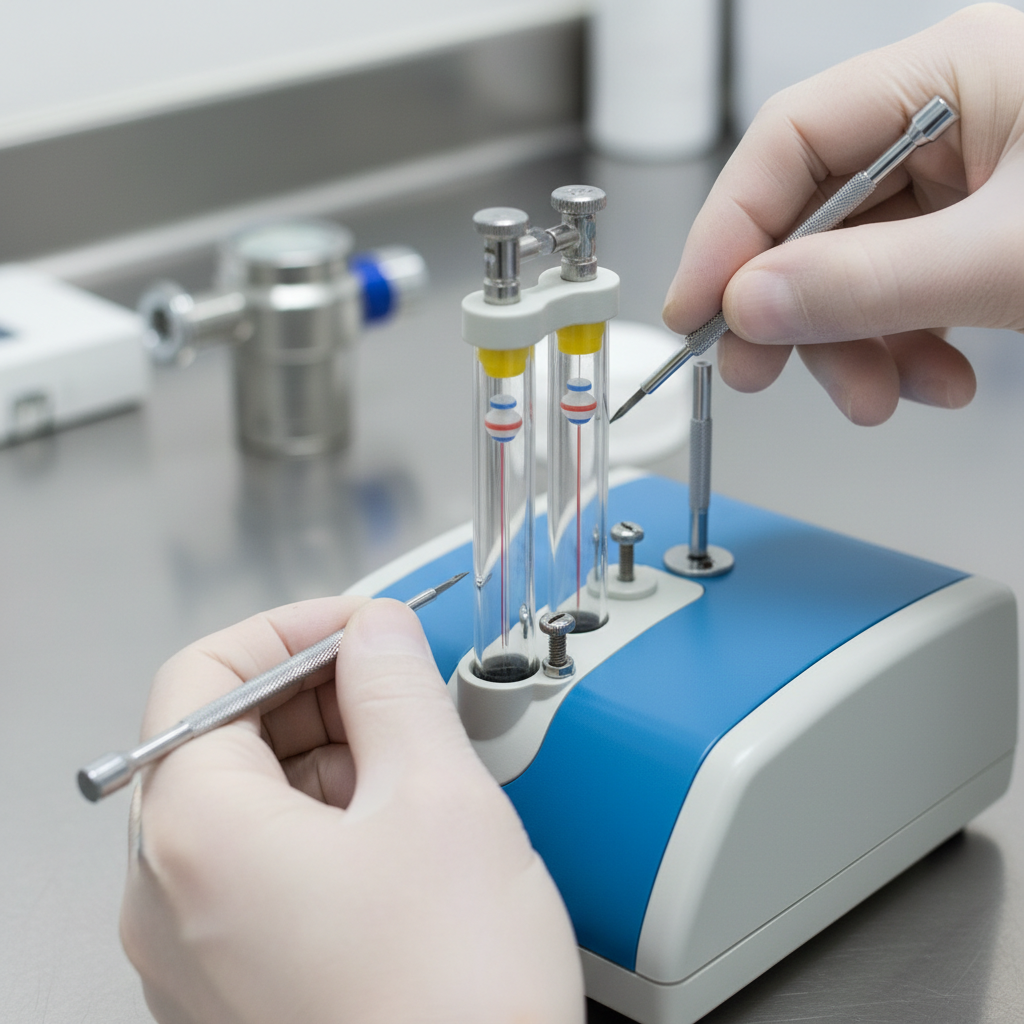
What is a Belmed PC-9 Flowmeter?
The Belmed PC-7 and PC-9 have been staples in dental operatories for decades, known for their reliability and simple, analog design. The PC-9 is a "percentage control" unit, meaning the operator sets the desired oxygen percentage, and the unit automatically adjusts the nitrous oxide and oxygen flow rates to maintain that percentage as the total flow is adjusted. This design incorporates several critical safety features, such as a minimum 30% oxygen flow and an oxygen fail-safe mechanism, which are essential for protecting patients during sedation.
Key components include:
- Glass Flow Tubes: Tapered tubes containing small balls or "floats" that indicate the flow rate in liters per minute (LPM) for both N2O and O2.
- Needle Valves: Precision valves that control the flow of each gas into the mixing chamber.
- Oxygen Fail-Safe: A diaphragm-based system that immediately shuts off the flow of nitrous oxide if the oxygen supply pressure is lost.
- Oxygen Flush Button: Provides 100% high-flow oxygen to the patient.
Why Regular Calibration is Essential
Calibration is the process of verifying that a device performs within the manufacturer's specified tolerances. For a Belmed PC-9, this means confirming that the flow rate shown on the indicator float matches the actual flow rate being delivered to the patient. Over time, due to wear, contamination, or physical shock, this accuracy can drift.
The consequences of inaccurate flow rates are significant:
- Under-sedation: If the actual N2O flow is lower than indicated, the patient may not achieve the desired level of analgesia, leading to anxiety and discomfort.
- Over-sedation: More critically, if the N2O flow is higher or the O2 flow is lower than indicated, it can lead to deeper, unintended levels of sedation.
- Hypoxic Mixture Delivery: A catastrophic failure could, in the worst-case scenario, lead to the delivery of a gas mixture with insufficient oxygen, posing a severe risk to patient health.
Why This Matters for Compliance: NFPA 99 (Health Care Facilities Code), Section 5.1.14.2.2.8, mandates that "Gas pressure and flow performance of all medical gas outlets/inlets, including manufactured assemblies, shall be tested and verified." While it doesn't specify an annual interval for flowmeters explicitly, it requires maintenance programs to follow manufacturer recommendations. Most manufacturers, including Belmed, recommend annual calibration to ensure performance and safety. Adhering to this is a key part of your facility's overall annual medical gas certification.
Signs Your Belmed PC-9 Needs Calibration or Repair
Be vigilant for these common indicators that your flowmeter needs professional service:
- Sticky or Jump Floats: The indicator balls should move smoothly up and down the flow tube. If they stick or jump erratically, it often indicates contamination or static buildup inside the tube.
- Inaccurate Flow: The most obvious sign, but impossible to confirm without a calibrated testing device.
- Physical Damage: Cracks in the flow tube, broken knobs, or a damaged housing can compromise the unit's function.
- Leaking Gas: A hissing sound or the smell of nitrous oxide may indicate internal or external leaks, which are a hazard to both patients and staff.
- Failed Fail-Safe: If the nitrous oxide doesn't shut off when the oxygen supply is disconnected, the unit is critically unsafe and must be removed from service immediately.
The Professional Calibration Process: A Step-by-Step Overview
Calibrating a PC-9 requires specialized equipment, including a NIST-traceable digital flowmeter, and a trained technician. Here at MTS, our ASSE 6040 certified technicians follow a rigorous, multi-point procedure.
- Full Visual Inspection: The unit is inspected for any physical damage, cracks, or missing components. Knobs and the oxygen flush button are tested for proper mechanical action.
- Initial Leak Test: The unit is pressurized, and all connections, valve stems, and seals are checked for leaks using a leak-detecting solution.
- Flow Accuracy Verification: This is the core of the calibration. The technician connects a certified digital flowmeter to the unit's outlet. They then test the flow at multiple setpoints across the device's range for both nitrous oxide and oxygen (e.g., 1 LPM, 3 LPM, 5 LPM). The reading on the PC-9's flow tube is compared to the true flow measured by the test device.
- Oxygen Fail-Safe Test: The oxygen supply is disconnected while nitrous oxide is flowing. The technician verifies that the N2O flow ceases immediately and completely.
- Oxygen Flush Test: The technician verifies that the flush button delivers a high flow of 100% oxygen and that it operates smoothly.
- Final Documentation: The technician affixes a calibration sticker to the unit showing the date of service, the next due date, and the technician's initials. A detailed service report is generated for the facility's records.
DIY vs. Professional Calibration: A Comparison
While it might be tempting to try and save money, attempting to calibrate a life-sustaining device like a flowmeter in-house is not recommended. The risks far outweigh the benefits. Here’s a clear comparison:
| Factor | DIY Approach | Professional Service (MTS) |
|---|---|---|
| Accuracy | Lacks NIST-traceable equipment; cannot verify. | Verified with high-precision, calibrated digital flowmeters. |
| Liability | Facility assumes all liability for patient incidents. | Service provider assumes liability for work performed. |
| Compliance | Lacks required documentation for audits. | Provides detailed, compliant documentation for surveyors. |
| Expertise | No certified knowledge of internal workings. | ASSE 6040 certified technicians with expert knowledge. |
| Cost | Seemingly "free" but high risk and liability cost. | Fixed, flat-rate fee for a guaranteed, compliant result. |
MTS Flat-Rate Belmed PC-9 Repair & Calibration Service
Medical Testing Solutions makes the process of maintaining your Belmed flowmeters simple and predictable. We offer a comprehensive dental flowmeter repair and calibration service with a straightforward flat-rate pricing model.
Our service includes:
- Complete multi-point calibration and inspection.
- All minor repairs and adjustments.
- Replacement of common wear-and-tear parts (knobs, gaskets, etc.).
- Full cleaning and decontamination.
- Calibration certificate for your compliance records.
If more significant repairs are needed, such as a cracked flow tube, we will contact you with a firm quote before proceeding. There are no hidden fees. This contrasts with other services that may charge an hourly rate plus parts, leading to unpredictable costs.
How to Ship Your Flowmeter to MTS
- Decontaminate: Wipe down the entire unit with a suitable surface disinfectant.
- Disconnect: Carefully disconnect the unit from all gas hoses and remove the breathing circuit.
- Package Securely: Wrap the flowmeter in several layers of bubble wrap. Place it in a sturdy cardboard box with plenty of padding to prevent movement during transit.
- Include Contact Information: Place a note inside the box with your office name, contact person, phone number, and return shipping address.
- Ship to Our Lab: Ship the package to our national repair center: Medical Testing Solutions Attn: Repair Department 501 E Las Olas Blvd, Ste 300 Fort Lauderdale, FL 33301
Our typical turnaround time is 3-5 business days upon receipt. If you are in need of replacement medical gas equipment while your unit is being serviced, we can assist with that as well.
Keep Your Practice Compliant and Your Patients Safe
Ensuring your Belmed PC-9 flowmeter is accurate is not just a technical task, it's a fundamental aspect of patient safety and regulatory compliance. Don't leave it to chance. The professional, flat-rate dental flowmeter repair and calibration service from Medical Testing Solutions provides peace of mind, guaranteed accuracy, and the documentation you need to stay compliant.
Ready to get started? Contact our team today to get a quote and shipping instructions. Call us at +1 (754) 315-1078 or request a quote online to ensure your equipment is in expert hands. '''
Frequently Asked Questions
Request a quote for your facility
Talk with Medical Testing Solutions about your next inspection, repair or equipment request.