Nitrous oxide sedation is a cornerstone of modern comfort-conscious dentistry. At the heart of this system is the flowmeter, a precision instrument responsible for delivering a safe, accurate mixture of N2O and oxygen to your patients. When your Asahi dental flowmeter malfunctions, it can disrupt your schedule, compromise patient care, and introduce compliance risks. This guide provides a definitive overview of Asahi flowmeter operation, common problems, troubleshooting steps, and the critical importance of professional, ASSE-certified repair. You will learn how to identify issues, understand the relevant safety standards, and follow a clear process for getting your unit professionally serviced to ensure accuracy and patient safety.
Medical Gas Service
Compliance & Standards
Asahi Flowmeter Repair for Dental Offices: A Complete Guide
Medical Testing SolutionsJune 23, 20266 min read
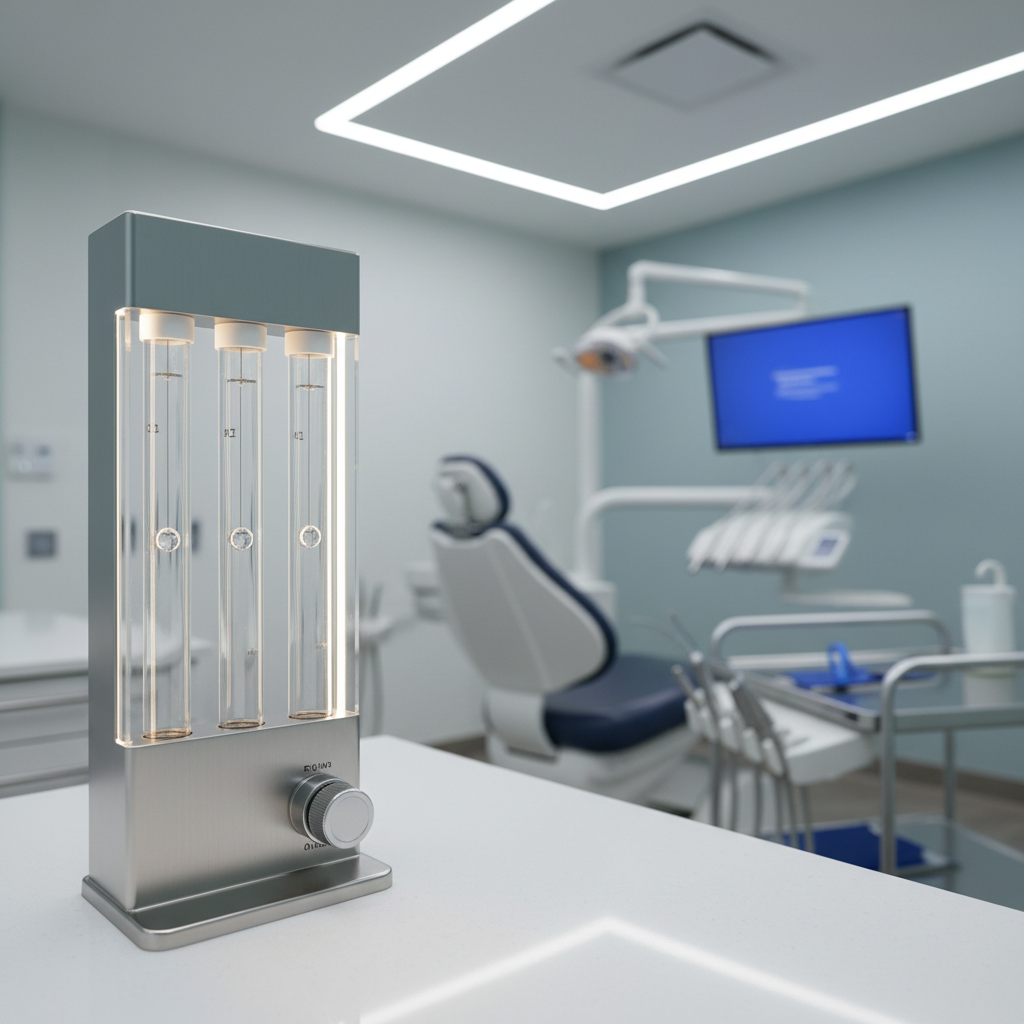
Understanding Your Asahi Dental Flowmeter
Asahi dental flowmeters are known for their reliability and precision. Like any medical gas delivery device, they consist of several key components working in unison: flow tubes, control knobs, a reservoir bag, and various internal seals and O-rings. The device is calibrated to deliver a specific mixture of nitrous oxide and oxygen, ensuring a safe and effective sedative experience. However, due to constant use, the sensitive internal components can wear down, leading to inaccuracies, leaks, or outright failure. Regular inspection and calibration are not just best practices, they are essential for fulfilling your duty of care and maintaining a safe clinical environment.
Common Asahi Flowmeter Problems & Troubleshooting
Before sending a unit for repair, it's helpful to identify the symptoms. Here are the most common issues dental offices face with their Asahi flowmeters and some initial troubleshooting steps you can take.
Inaccurate Flow Readings or Drifting Ball Floats
- Symptom: The ball float inside the glass tube is "bouncy," sticks in one position, or doesn't accurately reflect the dialed-in flow rate.
- Possible Causes: Static electricity in the glass tubes, internal debris, or a failing flow control valve.
- Troubleshooting:
- Gently tap the glass tube to see if the ball frees itself. Sometimes static can cause it to stick.
- Ensure all connections from the gas source are tight and unobstructed.
- If the issue persists, the unit requires internal cleaning and calibration by a certified technician. Do not attempt to disassemble the flow tubes yourself.
Gas Leaks (Audible Hissing or Odor)
- Symptom: You can hear a faint hissing sound or smell nitrous oxide near the unit, even when it is not in use.
- Possible Causes: Worn or dried-out O-rings, loose fittings, or a crack in the housing or tubes.
- Troubleshooting:
- Perform a soapy water test on the external fittings to pinpoint the leak source.
- Check the connection to the scavenger system and the reservoir bag for proper seating.
- Internal leaks are a serious safety hazard and a primary reason to seek professional help. Medical Testing Solutions can perform a comprehensive leak detection and component replacement service.
Physical Damage
- Symptom: Cracked glass flow tubes, broken control knobs, or a damaged backplate.
- Possible Causes: Accidental impact, improper handling, or age-related material fatigue.
- Troubleshooting:
- Physical damage almost always necessitates professional repair. A cracked flow tube is a critical failure that makes the device unsafe for use.
- For reliable repairs, check out our dental flowmeter repair and calibration services.
DIY Repair vs. Professional ASSE-Certified Service
While it might be tempting to perform repairs in-house, it's crucial to understand the risks. Dental flowmeters are classified as medical devices, and their proper function is governed by strict standards. An improper repair can lead to inaccurate gas mixtures, leaks, and potential harm to patients and staff.
An ASSE 6040 Certified Medical Gas Maintenance Technician possesses the specific training needed to service and repair these devices according to manufacturer specifications and national standards. They have the proper tools, access to OEM parts, and, most importantly, the calibrated equipment needed to verify the unit's accuracy post-repair. For services beyond simple troubleshooting, entrusting your equipment to a certified professional like those at Medical Testing Solutions is the only way to guarantee compliance and safety.
Why this matters for compliance: The National Fire Protection Association's code, NFPA 99, Health Care Facilities Code, outlines the safety requirements for medical gas and vacuum systems. Chapter 5 specifies that these systems must be maintained by qualified individuals and kept in a state of good repair. Using a non-certified individual for repairs could be cited during an inspection and may impact your facility's liability.
The MTS Asahi Flowmeter Repair & Calibration Process
We've streamlined our repair process to minimize downtime for your practice. Here’s how we handle your Asahi flowmeter repair with the authority and precision your practice deserves.
- Get a Quote: Start by requesting a quote. We offer flat-rate pricing on most common repairs, providing transparency and predictability.
- Ship Your Device: We provide detailed instructions for safely disconnecting and shipping your flowmeter to our Fort Lauderdale facility.
- Expert Diagnosis & Repair: Once received, an ASSE 6040 certified technician will disassemble and inspect your unit. We replace all worn seals, O-rings, and other common wear-and-tear components.
- Calibration & Verification: After reassembly, your flowmeter is connected to a certified calibration analyzer. We test for accuracy across the entire range of flow rates for both O2 and N2O, ensuring it meets or exceeds the manufacturer’s original specifications.
- Return & Documentation: Your repaired, calibrated, and certified flowmeter is securely packaged and returned to you with full documentation of the services performed, including a certificate of calibration for your records.
Asahi Flowmeter Specifications vs. Competing Brands
To help you understand the landscape, here is a general comparison table. Specifics can vary by model.
| Feature | Asahi (Typical) | Porter/Matrx (Typical) | Accutron (Typical) |
|---|---|---|---|
| Flow Control | Needle Valve | Needle Valve | Digital or Needle Valve |
| Safety Features | O2 Fail-Safe, O2 Flush | O2 Fail-Safe, O2 Flush | O2 Fail-Safe, O2 Flush |
| Scavenger System | Typically integrated | Often a separate component | Integrated or separate |
| Common Repair Needs | O-rings, calibration | Diaphragms, calibration | Sensor/electronics, seals |
For a full range of products and to compare what might be right for a new installation, visit our products catalog.
Maintaining Compliance with NFPA 99 and ASSE Standards
The entire dental gas delivery system, from the cylinders to the patient, falls under a web of regulatory standards. As a facility owner, it is your responsibility to ensure every component is compliant. This includes not only the flowmeter but also the pipeline itself.
- ASSE 6010 Installers: Ensure your system was put in by certified professionals.
- ASSE 6030 Verifiers: After any modification or installation, a full system verification by an ASSE 6030 certified professional is required.
- Annual Inspections: Regular checks of your entire gas system are crucial for ongoing safety. Annual medical gas inspections are the best way to stay ahead of potential issues.
Medical Testing Solutions is a leader in medical gas services, providing ASSE-certified installation, verification, and maintenance to keep dental practices safe and compliant.
Get Your Asahi Flowmeter Serviced by the Experts
Don't let a faulty flowmeter compromise patient safety or your practice's productivity. Trust the ASSE-certified experts at Medical Testing Solutions to provide reliable, transparent, and compliant repair services for your Asahi dental flowmeter. We ensure your equipment is returned to you performing precisely as it should.
Ready to ensure your equipment is accurate and safe? Request a quote online or call our experts directly at +1 (754) 315-1078 to get started. '''
Frequently Asked Questions
Most manufacturers, along with regulatory bodies, recommend a full inspection and calibration of your dental flowmeter at least once per year. However, if you notice any performance issues, it should be serviced immediately.
It depends on the connection type (e.g., DISS, quick-connect) and the existing pipeline setup. While sometimes possible, it is essential that any change is evaluated and installed by a certified technician (ASSE 6010) to ensure compatibility and safety.
Our standard turnaround time is typically 5-7 business days from the time we receive the unit. We also offer expedited services for urgent situations. Please contact us to discuss your specific needs.
In most cases, a professional repair and calibration is significantly more cost-effective than purchasing a new unit, which can cost thousands of dollars. A major overhaul by MTS can extend the life of your equipment for many more years.
Request a quote for your facility
Talk with Medical Testing Solutions about your next inspection, repair or equipment request.