Your veterinary vacuum system is the silent, beating heart of your clinic. It’s essential for procedures ranging from anesthesia and waste gas scavenging (WAGD) to aspiration during surgery. But like any piece of critical medical equipment, these pumps don't last forever. Running a failing vacuum pump risks not only procedural downtime but also potential non-compliance with NFPA 99 standards and, most importantly, patient safety. So, how do you know when it’s time to stop servicing and start replacing? This guide will walk you through the seven key warning signs, discuss preventative maintenance, and outline what to expect when it’s time to invest in a new system.
Medical Gas Service
Veterinary
Veterinary Vacuum Pump Service: 7 Signs It’s Time for a Replacement
Medical Testing SolutionsAugust 31, 20266 min read
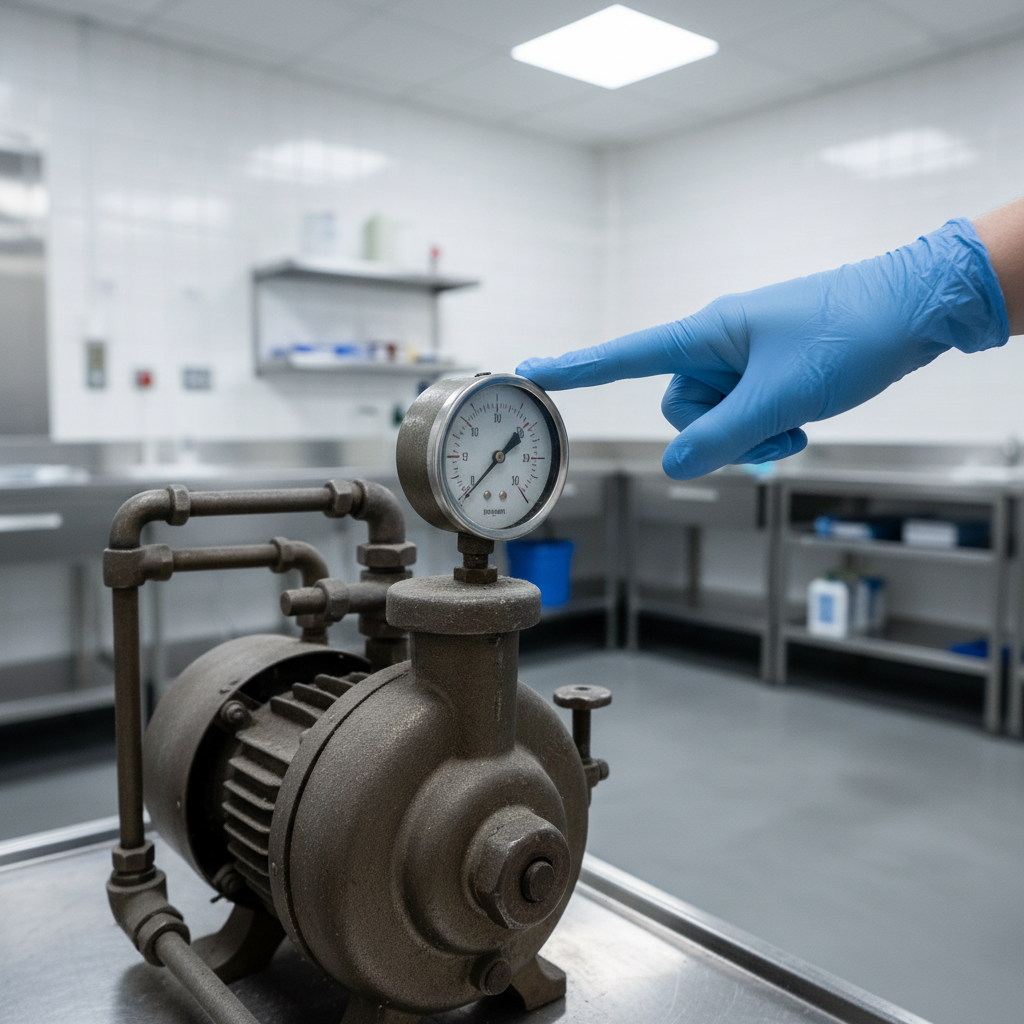
1. Loss of Vacuum Pressure & Slow Performance
One of the most obvious signs of a failing pump is a noticeable drop in performance. You or your technicians might observe that the system isn't reaching its required vacuum level as quickly as it used to, or that it struggles to maintain that level during procedures. This could manifest as:
- Longer evacuation times: It takes more time to achieve the target vacuum pressure.
- Inability to reach ultimate vacuum: The pump never reaches the deep vacuum level specified by the manufacturer (e.g., 19-25 inHg).
- Fluctuating readings: The gauge shows inconsistent or dropping vacuum levels during use.
While a simple clog or leak in the piping could be the culprit, a persistent loss of pressure, especially in an older unit, often points to internal wear on the pump’s vanes, seals, or motor. If your team has already investigated for leaks and found none, the pump itself is the likely problem. Learn more about our comprehensive medical gas maintenance services to keep your system in top shape.
2. Excessive Noise or Vibration
A healthy vacuum pump operates with a consistent, predictable hum. When you start hearing new, alarming sounds, it’s time to pay attention. These can include:
- Grinding or screeching: Often indicates failing bearings or severe wear on rotating components.
- Loud knocking or banging: Could signal a broken vane, a loose component, or a problem with the motor.
- Excessive vibration: As parts wear unevenly, the pump can become unbalanced, leading to shaking that can damage the entire assembly and its connections.
Don't ignore these auditory warnings. A catastrophic failure, such as a vane breaking loose, can destroy the pump beyond repair and even send metal fragments into your vacuum lines, leading to a much more expensive decontamination and repair project.
Why this matters for compliance: NFPA 99 (2021 Edition, Section 5.3.1.5.1) requires that medical-surgical vacuum systems be maintained in accordance with the manufacturer's recommendations. Ignoring audible signs of failure can lead to a deficiency finding during your next annual medical gas inspection.
3. Frequent or Overheating Shutdowns
Most modern vacuum pumps have a thermal overload switch that automatically shuts the unit down if it gets too hot, preventing motor burnout. If you find your pump is shutting off frequently, it’s a major red flag.
Overheating can be caused by:
- Poor ventilation: Ensure the pump room has adequate airflow and the pump’s cooling fins are clean.
- Low or incorrect oil (for lubricated pumps): Oil is crucial for cooling and lubrication. Old, contaminated, or incorrect oil types reduce its effectiveness.
- Internal friction: Worn-out parts are working harder, generating excess heat.
- Exceeding the duty cycle: The pump may be running more often than it was designed to, indicating it’s undersized for your clinic's current needs.
While an occasional shutdown might be a simple issue, chronic overheating is a clear sign the pump is operating under extreme stress and is likely nearing the end of its operational life.
4. Constant Oil Leaks or High Oil Consumption
For oil-lubricated pumps (like rotary vane models), the oil is the lifeblood. If you’re constantly cleaning up oil puddles or find yourself topping off the oil reservoir far more often than the manufacturer recommends, you have a problem. Leaks are typically due to degraded gaskets and seals. As these components age, they become hard and brittle, losing their ability to contain the oil.
Excessive oil consumption can also indicate worn piston rings or internal seals, which allow oil to be pulled into the vacuum stream. This not only gums up the pump but can also lead to oil mist exiting the exhaust, creating a messy and hazardous environment.
5. Increased Repair Frequency and Cost
Every piece of equipment needs occasional repairs. But when you find yourself calling a service technician every few months, the costs start to add up. Keep a log of all maintenance and repair activities. If you notice a clear trend of increasing frequency and cost, it’s time for a cost-benefit analysis.
| Factor | Repairing an Old Pump | Replacing with a New Pump |
|---|---|---|
| Initial Cost | Lower (per incident) | Higher (one-time investment) |
| Long-Term Cost | High (cumulative repairs, downtime) | Lower (minimal repairs under warranty) |
| Reliability | Low (unpredictable failures) | High (predictable performance) |
| Efficiency | Lower (older motor technology) | Higher (energy-efficient motors) |
| Compliance | Risk of falling behind standards | Meets current NFPA 99 & ASSE 6000 standards |
At some point, the cumulative cost of parts, labor, and downtime will exceed the cost of a new, reliable unit. A certified provider like Medical Testing Solutions can help you assess the total cost of ownership.
6. Age and Obsolete Parts
Even with meticulous maintenance, a veterinary vacuum pump has a finite lifespan, typically 10-15 years, depending on the model and usage. As a pump ages, two major issues arise:
- Metal Fatigue: Internal components simply wear out from billions of cycles.
- Parts Obsolescence: Manufacturers eventually stop producing replacement parts for older models. What was once a simple bearing replacement can become an impossible task, forcing you to replace the entire unit unexpectedly.
If your pump is over a decade old, it’s wise to proactively research a replacement. Don’t wait for a failure to discover that parts are no longer available. For equipment and installation, consult an ASSE 6010 certified provider to ensure your new system is installed correctly. You can learn about our veterinary anesthesia equipment solutions on our website.
7. Your Clinic’s Needs Have Changed
Sometimes, the pump is working fine, but it’s no longer the right size for your practice. If you’ve expanded your facility, added operatories, or adopted new procedures that place a higher demand on your vacuum system, your old pump may not be able to keep up. An undersized pump will run constantly, leading to premature wear and overheating.
When planning an expansion, consulting with a medical gas specialist is crucial. They can calculate your clinic’s actual demand and recommend a properly sized duplex or triplex system that provides both the capacity and redundancy required by NFPA 99 for medical facilities.
Making the Decision to Replace
Deciding to replace a major piece of equipment is a significant financial decision. However, the cost of a new pump is often less than the cost of a catastrophic failure, which includes emergency repair bills, patient rescheduling, and potential safety risks. Medical Testing Solutions offers a wide range of new vacuum pumps from leading brands and provides expert, ASSE 6010-certified installation services.
Ready to ensure your clinic’s vacuum system is safe, reliable, and compliant? Contact our team of experts today for a no-obligation quote on a new system or to schedule a comprehensive performance evaluation of your current equipment. Call us at (754) 315-1078 or request a quote online.
Frequently Asked Questions
This depends on the pump type (oil-lubricated vs. dry) and the manufacturer's guidelines. Generally, oil-lubricated pumps require oil changes every 3-6 months, while both types benefit from a professional annual inspection to check performance, electrical components, and overall system integrity as part of your facility's preventative maintenance plan.
The cost can vary widely, from a few thousand dollars for a small, single-user pump to over $20,000 for a large, NFPA 99-compliant duplex system for a multi-operatory hospital. The final cost depends on the pump's capacity (HP), type (rotary vane, claw, etc.), and the complexity of the installation.
It is strongly discouraged. Medical vacuum systems are life safety equipment. Installation must be performed by an ASSE 6010 certified technician to ensure it meets NFPA 99 code requirements. Improper installation can lead to leaks, poor performance, and serious safety hazards. Medical Testing Solutions provides certified medical gas installation services.
Oil-lubricated pumps (like rotary vane) use oil to seal and cool the pumping mechanism. They are durable and can achieve deep vacuum levels but require regular oil changes. Dry pumps (like claw or scroll pumps) use non-contact, oil-free mechanisms. They have lower maintenance needs but often have a higher initial cost.
NFPA 99 provides standards for the design, installation, and maintenance of medical and surgical vacuum systems to ensure patient safety. It outlines requirements for pipe sizing, pump capacity, filtration, alarms, and regular testing. While enforcement can vary for veterinary facilities, adhering to NFPA 99 is a best practice for any clinic using central vacuum for anesthesia or medical procedures.
With proper maintenance, a quality medical vacuum pump can last 10-15 years. However, factors like usage intensity, environmental conditions (heat, dust), and adherence to maintenance schedules can significantly impact its operational lifespan.
Request a quote for your facility
Talk with Medical Testing Solutions about your next inspection, repair or equipment request.