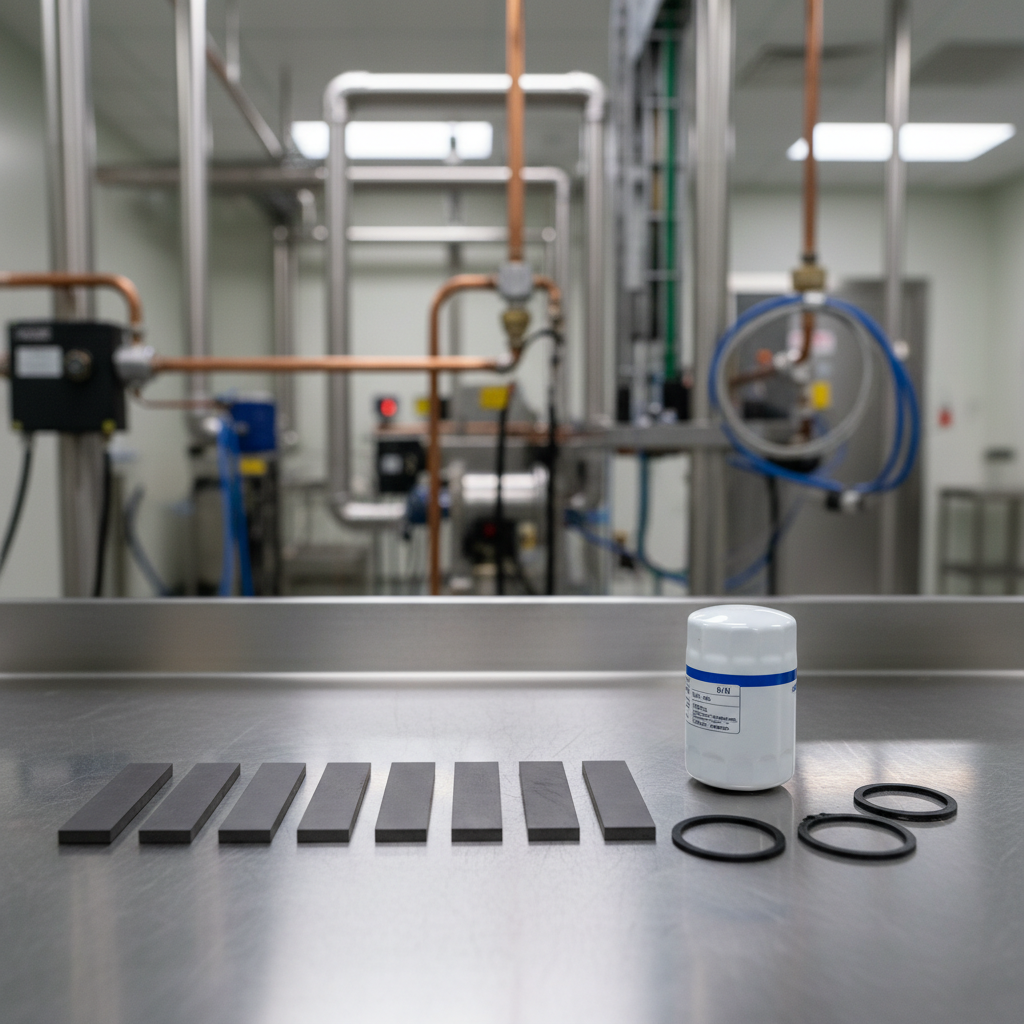
A Guide to Preventative Maintenance Kits for Medical Vacuum Pumps
Medical Testing SolutionsAugust 26, 20267 min read
Share
Medical vacuum pumps are a critical life support system in any healthcare facility, essential for patient drainage, aspiration, and other medical-surgical applications. Ensuring these systems operate without failure is not just a matter of performance, but of patient safety and regulatory compliance. Preventative maintenance is the key to reliability, and OEM-spec'd preventative maintenance (PM) kits are the cornerstone of a successful maintenance program. This guide will provide a definitive overview of preventative maintenance kits for the most common medical vacuum pumps, explain the return on investment, and offer actionable service tips to keep your systems running flawlessly.
We will explore the specific kit contents for major manufacturers like BeaconMedaes, Powerex, and Dekker, discuss the importance of following manufacturer-recommended service intervals, and explain how a proper maintenance schedule, executed by ASSE 6040 certified technicians, supports your facility's compliance with NFPA 99, Health Care Facilities Code.
What is a Medical Vacuum Pump PM Kit?
A preventative maintenance kit for a medical vacuum pump is a curated set of original equipment manufacturer (OEM) parts required to perform routine service at a specific operating hour interval. These kits are designed to replace all the common wear-and-tear components in a single service event, simplifying the maintenance process and ensuring no critical part is overlooked. Using a pre-packaged kit is far more efficient than ordering parts a la carte, reduces the risk of ordering incorrect components, and guarantees the parts meet the manufacturer's exact specifications for performance and longevity.
Most PM kits are built for specific milestones, such as 2,000, 4,000, or 8,000 operating hours. The contents will vary based on the pump technology (e.g., oil-lubricated rotary vane, oil-less rotary vane, claw) and the manufacturer.
Why this matters for compliance: NFPA 99 (2024 edition) section 5.1.14.2.2.8 states that "The medical-surgical vacuum system shall be maintained in accordance with the manufacturer's recommendations." Using OEM PM kits is a direct and documented way to meet this mandate, ensuring your facility is prepared for its annual inspection.
Core Components of a Vacuum Pump PM Kit
While contents vary, most comprehensive PM kits for oil-lubricated or oil-less rotary vane pumps will include a combination of the following:
Vanes/Blades: The most critical wear part. These composite blades are designed to wear down as they slide against the pump housing's interior wall to create vacuum. Worn vanes reduce pump efficiency and can eventually lead to catastrophic failure.
Exhaust Oil Separators/Filters: In oil-lubricated pumps, these filters are crucial for capturing oil mist from the exhaust, preventing it from entering the ambient air and ensuring clean operation. Saturated filters can increase back pressure, reducing pump performance.
Gaskets and Seals: A full set of gaskets for the pump housing, oil case, and filter housings. This ensures a perfect seal after servicing, preventing oil or vacuum leaks.
Intake Filters: The primary air filter that prevents dust and debris from entering the pump mechanism.
Pump Oil: The correct type and viscosity of oil for lubricated pumps. Using the wrong oil can cause overheating and premature wear. Medical Testing Solutions can help you source the specific oil required by your pump manufacturer.
For dry claw-type vacuum pumps, the kits are different as there are no vanes or oil. These kits typically include bearing grease, gear lubricant, and shaft seals, as the internal claws are non-contact and not considered a routine wear item.
PM Kit Contents by Manufacturer
Let's compare the typical preventative maintenance kit contents for leading medical vacuum pump manufacturers. Understanding these differences is key when planning your medical gas maintenance services.
BeaconMedaes PM Kits (Atlas Copco)
BeaconMedaes is a leader in the medical gas industry. Their rotary vane pumps are known for their reliability, and their PM kits are comprehensive. A typical 4,000-hour kit for a lubricated rotary vane pump includes:
Exhaust Filters
Oil Filter
Gaskets
Shaft Seal
Vanes
Synthetic Oil
Powerex PM Kits
Powerex is another dominant force, offering robust oil-less and lubricated rotary vane systems. Their PM kits are tailored to the specific demands of their pump designs.
Oil-less Rotary Vane Pumps: Kits often focus on vanes and filters. A 4,000-hour kit would typically include carbon vanes, intake filters, and cooling fan filters.
Lubricated Rotary Vane Pumps: These are similar to BeaconMedaes, containing vanes, separators, gaskets, and oil.
Dekker Vacuum Technologies PM Kits
Dekker pumps are workhorses found in many facilities. Their "DV-K" series PM kits are clearly defined by operating hours.
Minor Kit (2,000 Hours): Typically includes oil filter, exhaust filters, and gaskets.
Major Kit (8,000 Hours): A more comprehensive kit that includes vanes in addition to all minor kit components.
Comparison of Maintenance Intervals & Kit Philosophy
Manufacturer
Typical Minor Interval
Typical Major Interval (Vane Replacement)
Key Philosophy
BeaconMedaes
4,000 hours
4,000 or 8,000 hours (model dependent)
Comprehensive kits; often bundle vanes even in lower-hour kits to encourage proactive replacement.
Powerex
2,000 / 4,000 hours
4,000 / 8,000 hours
Separate kits for oil-less vs. lubricated. Oil-less kits focus heavily on vane and filter integrity.
Dekker
2,000 hours (Minor)
8,000 hours (Major)
Tiered kit system (Minor/Major) allows for more cost-effective routine servicing between major overhauls.
The ROI of Using Preventative Maintenance Kits
Investing in a scheduled PM program using OEM kits provides a significant return on investment by preventing unplanned downtime and extending the life of your capital equipment.
Reduced Downtime: An unexpected vacuum pump failure can bring surgical suites and patient rooms to a halt. The cost of this downtime, in delayed procedures, patient dissatisfaction, and emergency repair fees, far exceeds the cost of a PM kit. Scheduled maintenance occurs during off-hours, minimizing disruption.
Extended Equipment Life: Regularly replacing wear parts like vanes, filters, and seals prevents cascading failures. A worn vane that breaks can destroy the inside of a pump housing, turning a simple repair into a full pump replacement costing tens of thousands of dollars.
Improved Safety: A properly maintained vacuum system performs reliably, ensuring stable suction for critical medical procedures. Furthermore, routine replacement of exhaust separators on lubricated pumps prevents oil mist from contaminating the mechanical room, reducing slip hazards and improving air quality.
Compliance & Traceability: Using OEM kits and documenting the service provides clear evidence to inspectors from The Joint Commission (TJC) or other authorities that you are adhering to NFPA 99 maintenance requirements. Medical Testing Solutions provides comprehensive service documentation for every annual medical gas inspection and maintenance call.
Key Service & Maintenance Tips
Beyond simply buying the kit, proper execution is essential.
Log Operating Hours: The entire PM schedule is based on pump operating hours. Ensure your maintenance staff logs these hours diligently to anticipate when service is due.
Use an ASSE 6040 Certified Technician: NFPA 99 requires that individuals maintaining medical gas systems be qualified. An ASSE 6040 Medical Gas Systems Maintainer credential ensures the technician is trained to work on this critical equipment. The team at Medical Testing Solutions holds these credentials.
Inspect, Don't Just Replace: During a PM service, the technician should also inspect non-kit components like motor bearings, belts, and the vacuum receiver tank. This is an opportunity for a holistic system check-up.
Verify System Performance: After the service is complete, the technician should run the pump and verify it achieves the manufacturer-specified vacuum level and that the lag pump is cycling on as expected. This is part of the medical gas verification process that ensures the system is ready for patient use.
Purchasing PM Kits and Arranging Service
Medical Testing Solutions is a leading provider of medical gas equipment and services. We supply OEM preventative maintenance kits for all major brands, including BeaconMedaes, Powerex, Dekker, and more. Our expert, ASSE 6040 certified technicians can perform the maintenance for you, ensuring it's done correctly and with full compliance documentation.
For facilities that prefer to perform maintenance in-house, we can help you identify the correct PM kit for your specific pump model and serial number. You can browse our general catalog at our products page.
Conclusion: Secure Your Facility's Lifeline
Your medical vacuum system is a lifeline for patients. Treating its maintenance as a priority is essential for safe, compliant, and uninterrupted hospital operations. By implementing a preventative maintenance program using OEM kits and leveraging the expertise of ASSE 6040 certified technicians, you can ensure your facility's vacuum pumps provide reliable service for years to come. Don't wait for a failure to force your hand.
Ready to secure your medical vacuum system? Contact Medical Testing Solutions today for a quote on a preventative maintenance kit or to schedule service with our certified technicians. Call us at +1 (754) 315-1078 or request a quote online to get started.
Frequently Asked Questions
Service intervals are determined by the manufacturer based on operating hours. Common intervals are every 2,000, 4,000, and 8,000 hours. Check your pump's manual and log its runtime to determine your specific schedule.
It is strongly discouraged. NFPA 99 requires maintenance to follow manufacturer recommendations. Using non-OEM parts can compromise performance, void the warranty, and put your facility out of compliance. It can also lead to premature failure.
Oil-lubricated (or oil-sealed) pumps use oil to seal the compression chamber and lubricate the moving parts. Oil-less (or dry) pumps use self-lubricating materials, like carbon composite vanes, and do not require oil in the pump chamber.
Immediately contact a qualified service provider like Medical Testing Solutions. Unusual noises can be a sign of worn vanes, bad bearings, or other imminent failures. Do not delay, as this could lead to a complete system failure.
Not necessarily. A PM kit contains parts for routine, scheduled maintenance. A "rebuild kit" is often a more extensive and expensive kit used to repair a pump that has already failed, and may include components like bearings, rotors, and other major parts not found in a standard PM kit.
Request a quote for your facility
Talk with Medical Testing Solutions about your next inspection, repair or equipment request.