Medical air compressors are the beating heart of a healthcare facility's medical gas system, supplying life-sustaining air to operating rooms, patient bedsides, and critical care areas. The consistent and clean delivery of this medical air is non-negotiable. Per NFPA 99, these systems must be meticulously maintained to ensure patient safety and system reliability. Preventative maintenance (PM) kits are a critical component of this maintenance strategy. This guide will detail what these kits contain, the recommended replacement intervals, and the significant return on investment they offer by preventing catastrophic failures and costly downtime. You will learn the essential components of a robust PM program and how to ensure your facility remains compliant and fully operational.
A Guide to Preventative Maintenance Kits for Medical Air Compressors
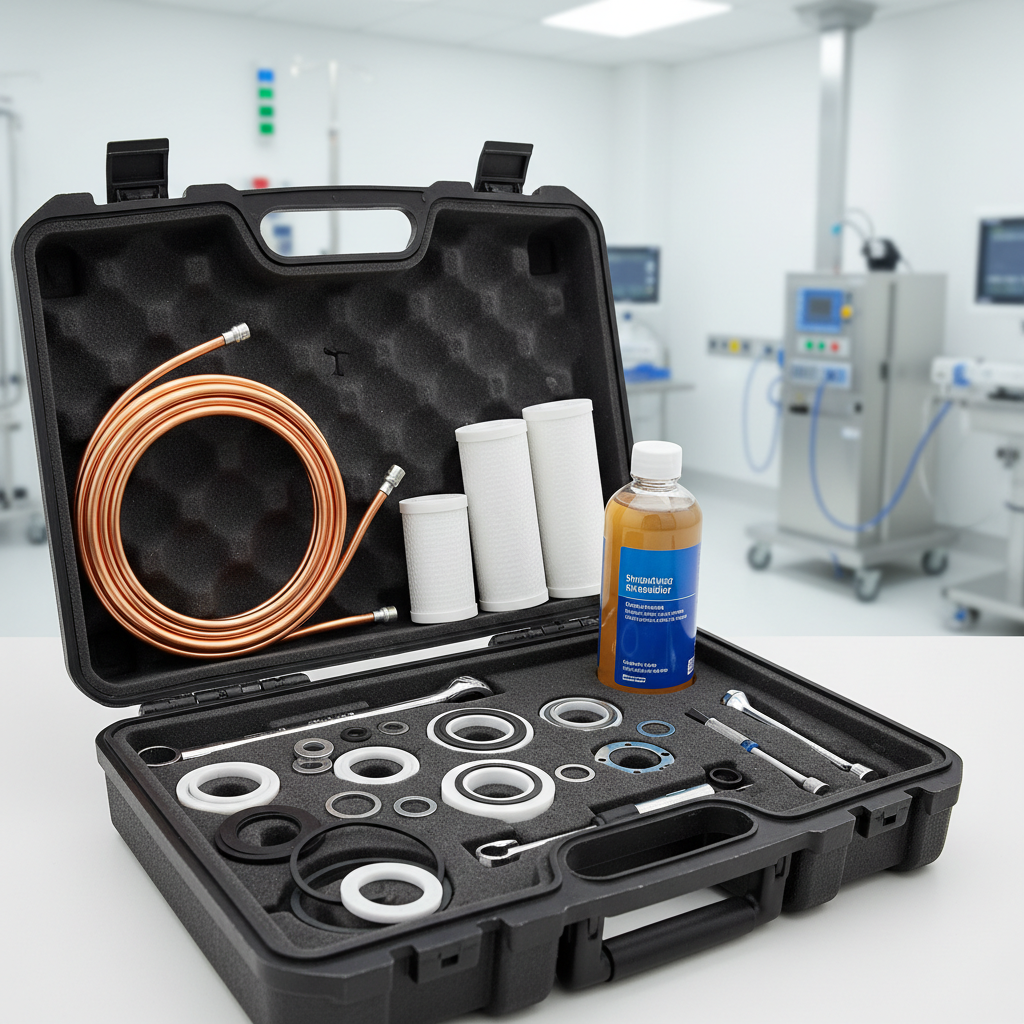
What Are Preventative Maintenance Kits for Medical Air Compressors?
Preventative maintenance kits are curated packages containing all the necessary replacement parts for routine service of a medical air compressor. These kits are designed by manufacturers like Powerex, BeaconMedaes, and Atlas Copco to simplify the maintenance process, ensuring that technicians have all the required components for a specific service interval. Using a manufacturer-approved PM kit is the most reliable way to guarantee that you're replacing worn parts with OEM-quality equivalents that meet the compressor’s exact specifications. This is not just a best practice; it's a cornerstone of a compliant medical gas maintenance program.
Common Components in a PM Kit
While the exact contents vary by model and manufacturer, most preventative maintenance kits for medical air compressors include:
- Air Filters: High-efficiency filters that remove particulate matter from the intake air.
- Coalescing Filters: Critical for removing oil and water aerosols from the compressed air.
- Separator Elements: Removes the compressor lubricant from the air stream before it goes to the dryer.
- Gaskets and O-rings: Essential for ensuring airtight seals after servicing components.
- Valves: Such as relief valves, check valves, or solenoid valves that are subject to wear.
- Lubricants: Manufacturer-specified oil or synthetic lubricant designed for the compressor's operating temperatures and conditions.
The Critical Importance of Regular Replacement Intervals
Adhering to a strict maintenance schedule is paramount for medical air compressors. The replacement interval for PM kit components is not arbitrary; it's based on the manufacturer’s extensive testing and is designed to preempt component failure. These intervals are typically measured in operating hours.
| Component Group | Typical Replacement Interval (Operating Hours) | Reason for Replacement |
|---|---|---|
| Intake & Coalescing Filters | 2,000 - 4,000 hours | Clogged filters reduce efficiency and air quality. |
| Oil Separator Elements | 4,000 - 8,000 hours | Prevents oil carryover into the medical air stream. |
| Compressor Oil/Lubricant | 2,000 - 8,000 hours | Oil breaks down over time, reducing lubricity and cooling. |
| Gaskets & Seals | Every time a component is serviced | Ensures leak-free operation and system integrity. |
Why this matters for compliance: NFPA 99 (2021 edition), Section 5.1.14.2.2, mandates that "The medical air compressor system shall be maintained by a qualified individual in accordance with the manufacturer's instructions." Skipping or delaying scheduled maintenance using the manufacturer's specified kits can place a facility in non-compliance and jeopardize its accreditation.
Calculating the ROI: Proactive Maintenance vs. Reactive Downtime
The cost of a PM kit is minimal compared to the staggering cost of system failure. A reactive "fix it when it breaks" approach is not only dangerous but also financially irresponsible for a critical healthcare asset.
Consider the two scenarios:
- Proactive Maintenance: A facility invests in a PM kit and schedules a planned maintenance service. The cost includes the kit and a few hours of a technician's time. The service is performed during off-peak hours, with no disruption to facility operations.
- Reactive Downtime: A compressor fails unexpectedly due to a clogged filter or a worn-out separator. This leads to an emergency shutdown. The costs now include:
- Emergency call-out fees for a certified technician.
- Potential for expedited shipping of parts.
- The high cost of bringing in temporary, rented backup compressors.
- Cancellation or rescheduling of procedures, resulting in lost revenue.
- Potential for patient harm and associated liability.
The financial and reputational cost of downtime far exceeds the cost of a proactive maintenance program. Investing in regular servicing with genuine PM kits provides a clear and substantial return on investment.
The Role of ASSE 6000 Certified Technicians
While having the right PM kit is the first step, the maintenance must be performed by a competent and qualified individual. The ASSE 6000 series of standards provides professional qualifications for medical gas systems personnel. For maintenance, an ASSE 6040 Medical Gas Maintenance Personnel certification is key. These technicians have been trained and tested on their knowledge of medical gas systems, including compressors, and understand the specific procedures and safety protocols required by NFPA 99. Employing a certified professional from a firm like Medical Testing Solutions ensures that the maintenance is performed correctly, documented properly, and that your system remains compliant.
Integrating PM Kits into Your Facility’s Maintenance Plan
A robust maintenance plan is a documented, living process. Here are the steps to integrate PM kits effectively:
- Inventory Your Equipment: Create a detailed list of every medical air compressor in your facility, including make, model, and serial number.
- Consult Manufacturer Manuals: Identify the correct PM kit part numbers and the specified service intervals (in hours) for each unit.
- Establish a Schedule: Based on average daily usage, translate the hourly intervals into calendar-based dates for planned maintenance.
- Procure and Stock Kits: Purchase the necessary kits ahead of the scheduled maintenance date. Consider keeping at least one of each critical kit in stock for unforeseen needs. You can source these directly from our products catalog.
- Schedule Certified Service: Arrange for an ASSE 6040 certified technician to perform the work. A comprehensive service provider like Medical Testing Solutions can manage the entire process, from sourcing kits to performing the annual inspections and maintenance.
- Document Everything: Maintain a detailed log for each compressor, recording the date of service, operating hours, parts replaced (noting the PM kit used), and the technician who performed the work. This documentation is crucial for demonstrating compliance to inspectors.
Conclusion: Secure Your System, Ensure Compliance
Preventative maintenance kits are a fundamental part of a compliant, reliable, and cost-effective medical air system management program. By understanding their contents, adhering to replacement schedules, and utilizing ASSE-certified technicians for installation, you protect your patients, your equipment, and your facility's financial health. Don't wait for a failure to appreciate the value of proactive maintenance.
Medical Testing Solutions is your partner in medical gas compliance. We provide genuine PM kits and our ASSE 6040 certified technicians are ready to handle all your maintenance needs. For a quote on preventative maintenance kits or to schedule a service, contact our team today or call us at +1 (754) 315-1078.
Frequently Asked Questions
Request a quote for your facility
Talk with Medical Testing Solutions about your next inspection, repair or equipment request.