A reliable medical vacuum system is not a luxury, it's a critical component of patient care and facility safety, mandated by strict regulatory codes. For healthcare facilities in Miramar, Florida, ensuring your vacuum pumps are operating flawlessly is a matter of compliance and function. This guide provides a definitive overview of medical vacuum pump service, covering everything from preventative maintenance schedules and emergency rebuilds to complete system replacements. We will explore the requirements set forth by NFPA 99, outline the signs of a failing pump, and help you understand your service options to ensure your facility remains safe, compliant, and always ready.
Medical Gas Service
Medical Vacuum Pump Service in Miramar, FL: A Guide to NFPA 99 Compliance
Medical Testing SolutionsSeptember 3, 20266 min read
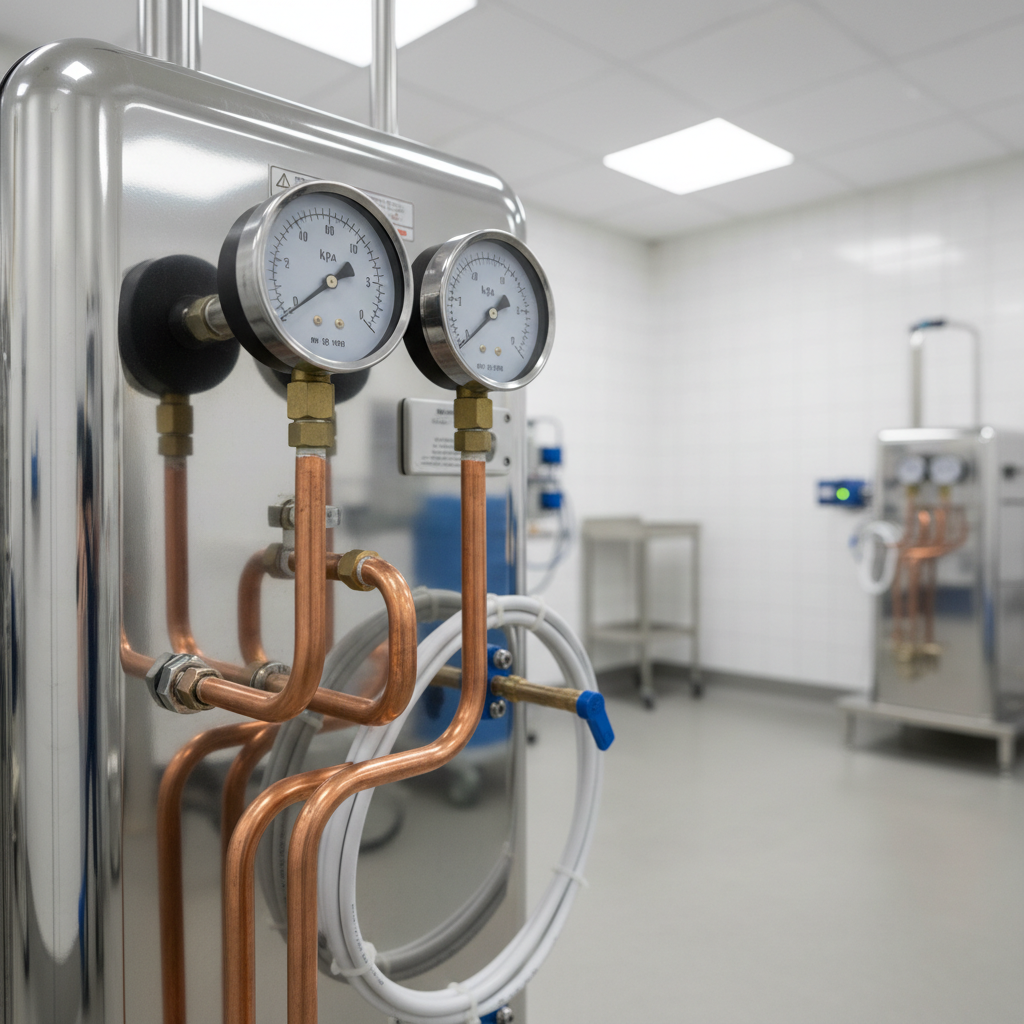
Understanding Medical Vacuum Systems and NFPA 99 Requirements
Medical vacuum systems are a Level 1 life support system, essential for a variety of critical applications, including surgical suction, wound drainage, and waste anesthetic gas disposal (WAGD). Unlike general-purpose vacuum pumps, medical-grade systems must meet stringent standards for reliability and performance. The primary governing standard is the National Fire Protection Association's NFPA 99, Health Care Facilities Code.
Key NFPA 99 Mandates for Vacuum Systems
NFPA 99 outlines specific requirements for the design, installation, and maintenance of medical vacuum systems. For service and maintenance, the code is explicit:
- Regular Inspections: A scheduled maintenance program must be established to keep the system in service. Per NFPA 99 (2024 ed.), Chapter 5, this includes regular checks of oil levels, filters, and overall system performance.
- Contingency Planning: Facilities must have documented procedures for responding to a vacuum system failure, including emergency contacts and access to qualified service technicians.
- Certified Technicians: All maintenance, repairs, and installations must be performed by technicians certified to the ASSE 6000 series standards. An ASSE 6040 Certified Maintenance Medical Gas Systems technician is required for performing maintenance on this critical equipment.
Why this matters for compliance: Failure to adhere to NFPA 99 can result in costly fines, loss of accreditation from bodies like The Joint Commission, and most importantly, compromised patient safety. A documented preventative maintenance (PM) plan with a certified provider like Medical Testing Solutions is your first line of defense.
Signs Your Medical Vacuum Pump Needs Service
Proactive maintenance is key, but it’s also crucial to recognize the warning signs of a failing pump. Prompt action can often prevent a catastrophic failure and more expensive repairs. Look out for these indicators:
- Lower-than-normal vacuum levels: Are you struggling to maintain the required inches of mercury (Hg)?
- Excessive noise or vibration: Grinding, squealing, or shaking can signal bearing failure or other internal mechanical problems.
- Overheating: Pumps running hotter than usual are working too hard, often due to internal wear or clogs.
- Frequent cycling: If the pump turns on and off more often than normal, it could indicate leaks in the system or a pump that can no longer meet demand.
- Oil leaks or contamination: For oil-sealed pumps, any sign of leaking oil or milky, contaminated oil points to seal failure or moisture intrusion.
If you notice any of these signs, it's time to call a certified technician for a comprehensive evaluation.
Preventative Maintenance (PM) Contracts: The Smart Choice
Waiting for a pump to fail is a reactive and risky strategy. A preventative maintenance (PM) contract is the most effective way to ensure uptime and compliance. A typical PM service for a medical vacuum pump includes:
- Checking and replacing oil (for lubricated pumps).
- Replacing inlet filters and exhaust filters.
- Inspecting belts and couplings for wear and proper tension.
- Verifying vacuum levels and checking for leaks.
- Testing all alarms and safety shutdowns.
- Providing detailed documentation for your facility’s records.
Medical Testing Solutions offers comprehensive PM contracts tailored to your facility's specific equipment and usage patterns in the Miramar area, ensuring you meet all NFPA 99 requirements.
Rebuild vs. Replacement: Making the Right Call
When a pump fails, you face a critical decision: rebuild the existing pump or replace it entirely? The right choice depends on the age of the pump, the nature of the failure, and cost.
When to Rebuild
A rebuild involves disassembling the pump, cleaning all components, and replacing wearable parts like bearings, seals, gaskets, and vanes. A rebuild is often a good option when:
- The failure is due to common wear-and-tear items.
- The pump housing and major components are in good condition.
- You need a fast turnaround to minimize downtime.
When to Replace
A full replacement is necessary when the pump has suffered catastrophic failure or has reached the end of its operational life. Consider a replacement if:
- There is major damage to the pump housing, rotors, or motor.
- The pump is obsolete, and parts are difficult or impossible to source.
- Your facility's vacuum demand has increased, requiring a larger pump.
- The cost of a rebuild approaches 60-70% of the cost of a new pump.
Cost & Downtime Comparison
| Factor | Rebuild | Replacement |
|---|---|---|
| Cost | $-$ | $$$ |
| Downtime | Typically faster (if parts are available) | Longer (lead time on new equipment) |
| Warranty | Parts & labor (often 90 days - 1 year) | Full manufacturer warranty (1-3 years) |
| Lifespan | Extends life by several years | Resets the clock with a brand new unit |
Our technicians can perform a thorough assessment and provide a detailed quote to help you compare the costs and benefits of rebuilding versus replacing your medical vacuum pump.
The Role of ASSE 6000 Certified Technicians
NFPA 99 is clear: any individual servicing medical gas systems, including vacuum pumps, must be properly credentialed. This means holding an ASSE 6040 Medical Gas Maintenance Personnel certification. These technicians have undergone rigorous training and examination on:
- The specifics of NFPA 99 as it applies to maintenance.
- The function and repair of system components like pumps, alarms, and valves.
- Safety procedures for working with medical gas systems.
Hiring an uncertified technician for your medical gas installation or service work is a major compliance risk. Medical Testing Solutions exclusively employs ASSE 6000 certified professionals to guarantee all work is performed safely and correctly.
Medical Testing Solutions: Your Partner in Miramar, FL
For healthcare facilities in Miramar and across South Florida, Medical Testing Solutions is the trusted, certified partner for all medical vacuum pump needs. We are not just an equipment supplier; we are a full-service medical gas company. Our ASSE-certified team provides:
- Emergency Service & Rebuilds: Fast, responsive service to get your system back online.
- New Pump Sales & Installation: We sell and install top brands like BeaconMedaes, Powerex, and Dekker, ensuring your medical gas verification is seamless.
- Preventative Maintenance Plans: Customized PM contracts to ensure NFPA 99 compliance and system reliability.
We are located right here in South Florida, ready to provide the expert service you need.
Get a Quote for Your Medical Vacuum Pump Service
Don't wait for a system failure to address your medical vacuum pump needs. Ensure your Miramar facility is safe, compliant, and prepared. Contact the certified experts at Medical Testing Solutions today for a comprehensive evaluation of your system.
Call us at (754) 315-1078 or request a quote online to schedule your service or consultation.
Frequently Asked Questions
This depends on the pump type (oil-sealed vs. dry) and the manufacturer's recommendations, but a quarterly or semi-annual preventative maintenance service is standard practice to comply with NFPA 99 guidelines.
Medical vacuum pumps must be built to NFPA 99 standards for higher reliability, must have multiple pumps for redundancy, and are designed to prevent contamination of the medical gas system.
No. NFPA 99 mandates that only technicians certified to the ASSE 6000 series (specifically ASSE 6040 for maintenance) are permitted to work on medical gas and vacuum systems.
A standard rebuild can often be completed in 1-2 days, depending on parts availability and the complexity of the pump. Medical Testing Solutions can provide a more precise timeline after an initial inspection.
Request a quote for your facility
Talk with Medical Testing Solutions about your next inspection, repair or equipment request.