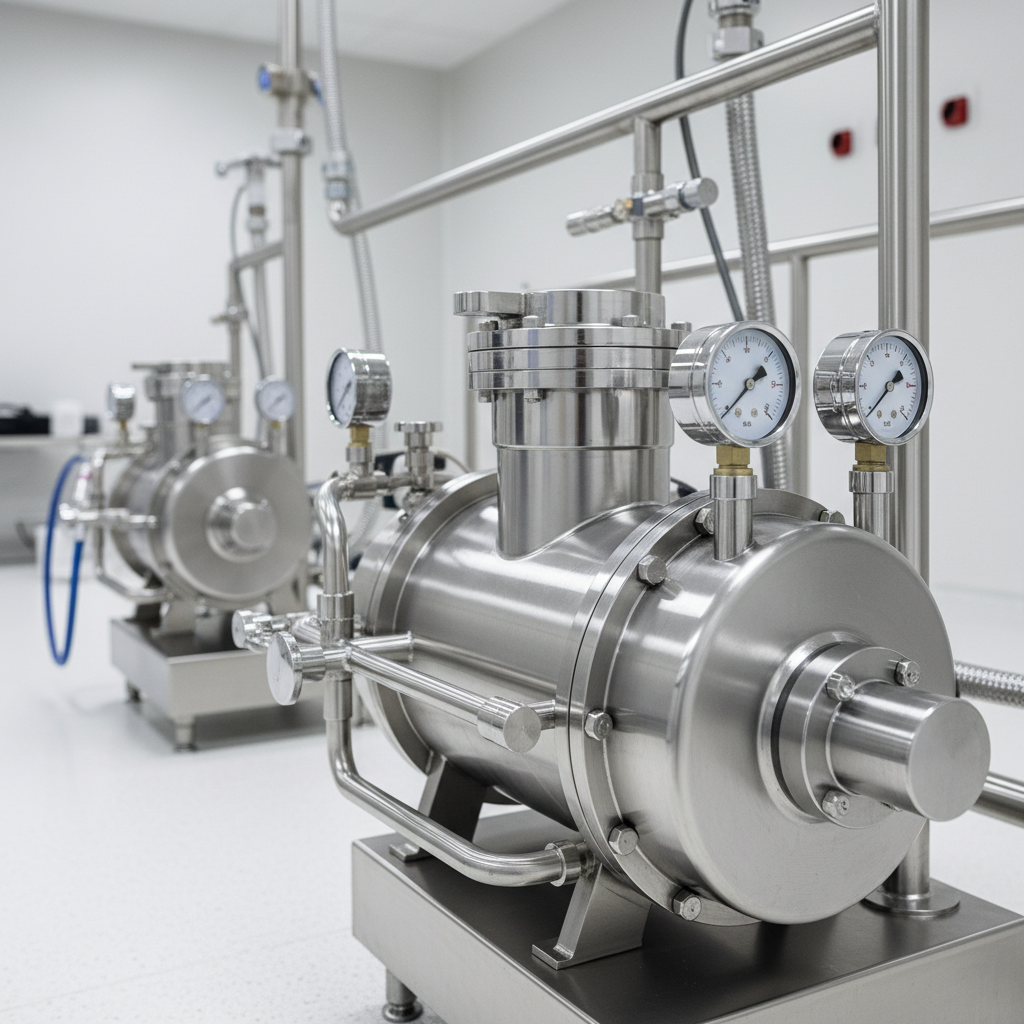
Understanding Medical Vacuum Systems in Healthcare
Medical vacuum is a critical life support system in any healthcare facility, designated as a Level 1 system for its direct impact on patient care. From operating rooms and intensive care units to patient rooms and labs, a reliable vacuum system is essential for a range of procedures, including surgical aspiration, wound drainage, and respiratory support. Unlike general-purpose vacuum systems, medical-grade systems must adhere to stringent standards, primarily the National Fire Protection Association's NFPA 99, Health Care Facilities Code.
This guide will walk you through the key aspects of maintaining, servicing, and ensuring the compliance of your medical vacuum pumps in the Kendall, FL area. You will learn about the core components, common issues, regulatory requirements, and what to look for in a qualified service provider.
Core Components of a Medical Vacuum System
A typical medical vacuum system consists of several key components working in unison:
- Vacuum Pumps: The heart of the system. Most facilities use duplex or triplex pump configurations to ensure redundancy. Common types include oil-less rotary vane, lubricated rotary vane, and liquid ring pumps.
- Receiver Tank: A reservoir that helps maintain a consistent vacuum level throughout the pipeline, reducing the frequency of pump cycling.
- Control Panel: The brain of the operation, which monitors system performance, alternates pump usage for even wear, and triggers alarms.
- Filtration: Inlet and exhaust filters are crucial for protecting the pumps and the environment.
- Piping Network: The network of pipes that delivers the vacuum to wall inlets throughout the facility.
NFPA 99 Requirements for Medical Vacuum Pumps
Compliance with NFPA 99 is not optional, it's the law and the standard of care for patient safety. The code outlines specific requirements for the installation, inspection, and maintenance of medical vacuum systems.
Why this matters for compliance: Failure to comply with NFPA 99 can result in failed inspections, costly fines, loss of accreditation, and, most importantly, unacceptable risks to patient safety. An out-of-spec vacuum system is a direct life safety hazard.
Key NFPA 99 provisions include:
- Chapter 5: Piped Gas and Vacuum Systems: This chapter contains the bulk of the requirements.
- Redundancy: Systems must be designed so that no single point of failure can compromise the entire system (e.g., multiple pumps).
- Alarms: Local and master alarms are required to signal high and low vacuum levels, as well as pump failures.
- Maintenance: The code mandates a regular maintenance program performed by qualified individuals. This includes periodic testing, oil changes (for lubricated pumps), and filter replacements.
For expert guidance on ensuring your facility meets all regulatory standards, consider our comprehensive medical gas certification services.
Preventative Maintenance (PM) vs. Rebuild vs. Replacement
A common question for facility managers is whether to service, rebuild, or replace a failing medical vacuum pump. The answer depends on the age of the unit, the nature of the problem, and cost-effectiveness.
| Action | Best For... | Typical Cost | Downtime | Description |
|---|---|---|---|---|
| Preventative Maintenance | All pumps, annually | $ | Minimal | Scheduled service including oil changes, filter swaps, belt tensioning, and performance testing. The cornerstone of reliability. |
| Rebuild | Pumps with major wear but a sound frame | $$ | Moderate | A complete teardown, cleaning, and replacement of all wear-and-tear components like vanes, bearings, and seals. More intensive than PM. |
| Replacement | Obsolete, inefficient, or physically damaged pumps | $$$$ | Significant | Complete removal of the old unit and installation of a new pump and motor. Often required for units >10 years old. |