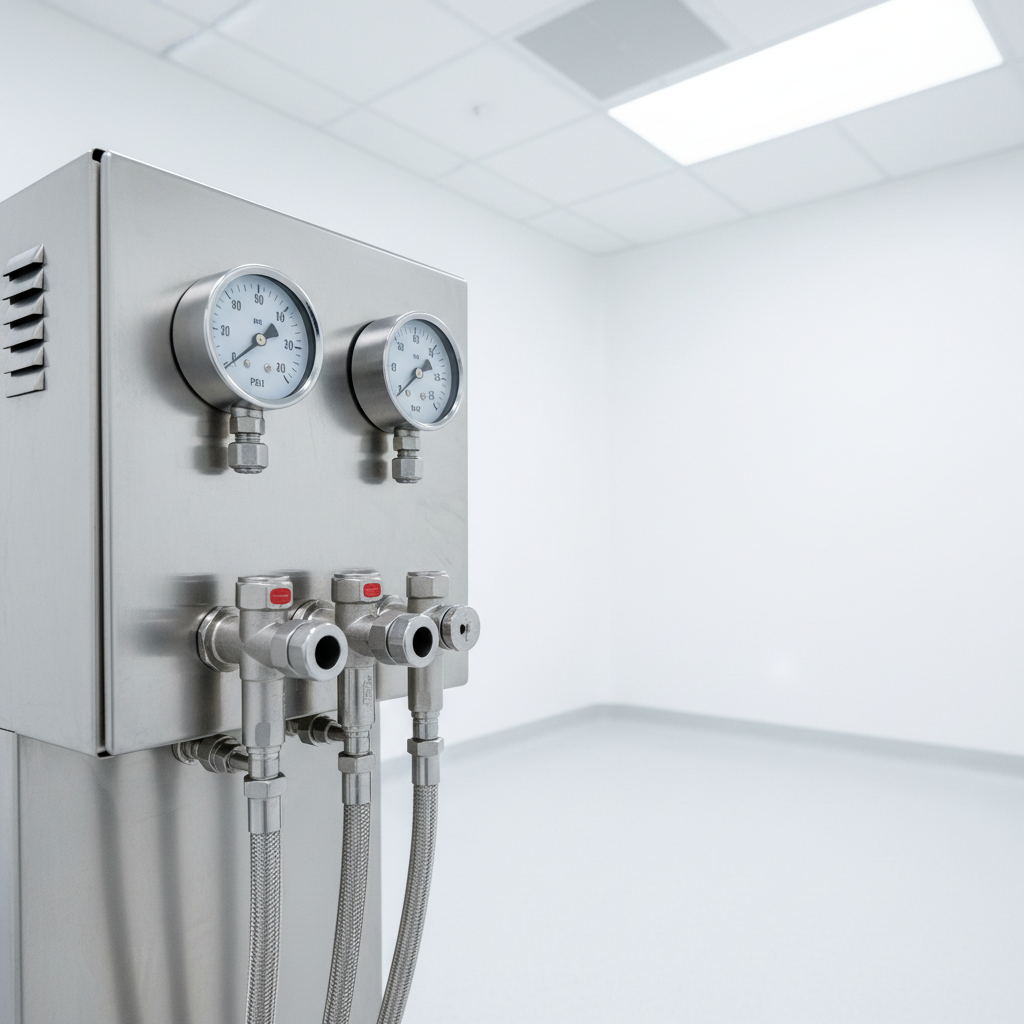
Medical Vacuum Pump Service in Jupiter, FL: A Guide to NFPA 99 Compliance
Medical Testing SolutionsSeptember 4, 20266 min read
Share
Understanding Medical Vacuum Systems in Healthcare
A medical vacuum system is a critical life support utility in any healthcare facility, essential for a range of applications from waste anesthetic gas disposal (WAGD) to supporting surgical procedures. Unlike compressed medical air systems, which provide positive pressure, a vacuum system creates the necessary suction for patient drainage, aspiration, and respiratory support. These systems are not just conveniences; they are integral to patient safety and are rigorously governed by standards like NFPA 99, the Health Care Facilities Code.
For facility managers and biomedical engineers in Jupiter, Florida, understanding the maintenance and service requirements for these systems is paramount. This guide will walk you through the essentials of medical vacuum pump service, from routine preventative maintenance (PM) to complete system rebuilds and emergency replacements, ensuring your facility remains compliant, safe, and fully operational.
The Core Components of a Medical Vacuum System
A typical medical vacuum system is comprised of several key components working in concert. Proper service requires a deep understanding of each part:
Vacuum Pumps: The heart of the system. Most medical facilities use duplex or triplex pump configurations to ensure redundancy. Common types include oil-less rotary vane, lubricated rotary vane, and liquid ring pumps.
Receiver Tank: A collection tank that helps maintain a consistent vacuum level in the piping network, reducing the frequency at which the pumps must cycle on and off.
Filtration System: Crucial for protecting the pumps from contaminants drawn from the facility. This includes inlet filters and exhaust filters.
Control Panel: The brain of the operation, which monitors vacuum levels, alternates pump operation for even wear, and triggers alarms in case of failure.
Piping Network: The network of pipes that delivers the vacuum from the source equipment to patient rooms, operating theaters, and other critical areas.
NFPA 99 Requirements for Medical Vacuum Pump Service
NFPA 99 sets the minimum standards for the maintenance, inspection, and testing of medical vacuum systems. Adherence is not optional; it's a requirement for accreditation and patient safety.
Why this matters for compliance: NFPA 99, Chapter 5, specifically outlines the requirements for Category 1 Piped Gas and Vacuum Systems. Non-compliance can lead to failed inspections, costly fines, and, most importantly, risks to patient health. An ASSE 6040 Certified Medical Gas Maintenance technician is qualified to perform this work.
Key Maintenance Tasks Mandated by NFPA 99:
Regular Inspections: A scheduled program of inspections is required to check for leaks, test alarm systems, and ensure pressures are within the specified range (typically 15 to 19 in. HgV).
Filter Changes: Inlet and exhaust filters must be changed according to the manufacturer's recommendations or as indicated by maintenance sensors.
Oil Changes: For lubricated pumps, oil levels must be monitored, and oil must be changed at regular intervals to prevent pump damage and maintain efficiency.
Log Keeping: Detailed maintenance logs must be kept for each piece of equipment, documenting all service, inspections, and repairs.
Medical Vacuum Pump Rebuilds vs. Replacements
Over time, even the best-maintained vacuum pumps will experience wear and tear. The decision to rebuild or replace a pump depends on several factors: age, condition, availability of parts, and cost.
When to Consider a Rebuild
A rebuild can be a cost-effective option for newer pumps or when the core housing and motor are still in good condition. A typical rebuild by an ASSE-certified technician involves:
Complete disassembly of the pump.
Thorough cleaning and degreasing of all components.
Inspection of internal parts like vanes, bearings, and seals for wear and tear.
Replacement of all worn components with OEM-quality parts.
Reassembly and testing to ensure the pump meets or exceeds original performance specifications.
When to Opt for a Full Replacement
Replacement is often the necessary choice in these scenarios:
Age and Obsolescence: If the pump is old and parts are no longer available.
Catastrophic Failure: In cases of major damage, such as a seized motor or cracked housing.
Changing Facility Needs: If the facility has expanded and the current system no longer meets the calculated demand.
Upgrading Technology: Moving from an older, lubricated pump to a modern, more efficient oil-less or liquid ring model.
Medical Testing Solutions can help you assess your equipment and provide a detailed analysis to determine the most sensible and compliant path forward.
Comparison of Common Medical Vacuum Pump Technologies
Pump Type
Key Advantages
Key Disadvantages
Typical Application
Oil-Less Rotary Vane
No oil contamination risk, lower maintenance
Shorter vane life, can be noisier
Dental clinics, smaller surgical centers
Lubricated Rotary Vane
Long service life, high efficiency, quiet operation
Potential for oil mist in exhaust, requires oil changes
Medium to large hospitals with high demand
Liquid Ring
Extremely durable, cool operation, can handle high humidity
Higher water consumption, more complex installation
Large hospitals, laboratories, high-demand environments
Choosing the right pump is a critical decision. Our team can perform a full system assessment and medical gas verification to ensure any new installation meets ASSE 6010 and NFPA 99 standards.
The Importance of a Preventative Maintenance (PM) Contract
For facilities in Jupiter, FL, the most effective way to manage a medical vacuum system is through a preventative maintenance contract. A PM contract with a qualified service provider like Medical Testing Solutions takes the guesswork out of compliance.
Benefits of a PM Contract:
Guaranteed Compliance: Ensures all NFPA 99 and manufacturer-recommended service is performed on schedule.
Reduced Downtime: Proactive service identifies and corrects potential issues before they become catastrophic failures.
Predictable Budgeting: Fixed-cost contracts help you budget for maintenance without surprise expenses.
Priority Service: Contract customers often receive priority scheduling for emergency repairs.
Access to Expertise: You gain a partner with deep, ASSE-certified knowledge of medical gas systems.
Our PM programs are tailored to your facility’s specific equipment and usage patterns, ensuring optimal performance and unwavering compliance. For a custom quote, please visit our request a quote page.
Choosing a Certified Service Provider in Jupiter, FL
Not all service providers are created equal. When selecting a company for your medical vacuum pump service, insist on ASSE 6000 series certification. An ASSE 6040 certified maintenance technician has undergone rigorous training and examination, proving their competence in maintaining medical gas systems according to code.
Medical Testing Solutions is a leading ASSE-certified provider serving South Florida, including Jupiter and the surrounding communities. Our technicians are not just mechanics; they are credentialed professionals dedicated to the safety and compliance of your facility.
Frequently Asked Questions
Service intervals depend on the pump type (oil-less, lubricated, liquid ring) and the manufacturer's recommendations. However, NFPA 99 requires regular inspections and a documented maintenance plan. Most facilities opt for quarterly or semi-annual service.
Warning signs include unusual noises (grinding, squealing), failure to maintain a proper vacuum level (below 15 in. HgV), frequent cycling, and visible leaks. If you see any of these, contact a certified technician immediately.
Basic tasks like checking oil levels might be done in-house. However, most maintenance, repairs, and service that affect the system's integrity must be performed by an ASSE 6040 certified technician to comply with NFPA 99 and ensure patient safety.
A medical vacuum is used for suction in patient care areas. A Waste Anesthetic Gas Disposal (WAGD) system is a specific type of vacuum system used exclusively to scavenge waste anesthetic gases from operating rooms, protecting staff from exposure.
Yes, Medical Testing Solutions provides 24/7 emergency service for our contract customers throughout South Florida. We understand that vacuum system failure is a critical event and respond accordingly.
You can start by contacting our team for a full assessment of your facility's needs. We handle everything from system design and equipment sales to ASSE 6010 certified installation and final verification.
Request a quote for your facility
Talk with Medical Testing Solutions about your next inspection, repair or equipment request.