Medical vacuum pumps are the heart of a hospital or clinic's source equipment, providing critical suction for patient care and surgical procedures. When this system fails, the consequences can be immediate and severe. For healthcare facilities in Hialeah, FL, ensuring your medical vacuum pump service meets stringent NFPA 99 standards is not just a best practice, it's a requirement for patient safety and regulatory compliance. This guide explains the essential maintenance, repair, and replacement protocols for medical vacuum systems, outlining what ASSE-certified service entails and how to keep your facility operational and safe.
Medical Gas Service
Compliance & Standards
Medical Vacuum Pump Service in Hialeah FL: A Guide to NFPA 99 Compliance
Medical Testing SolutionsSeptember 3, 20265 min read
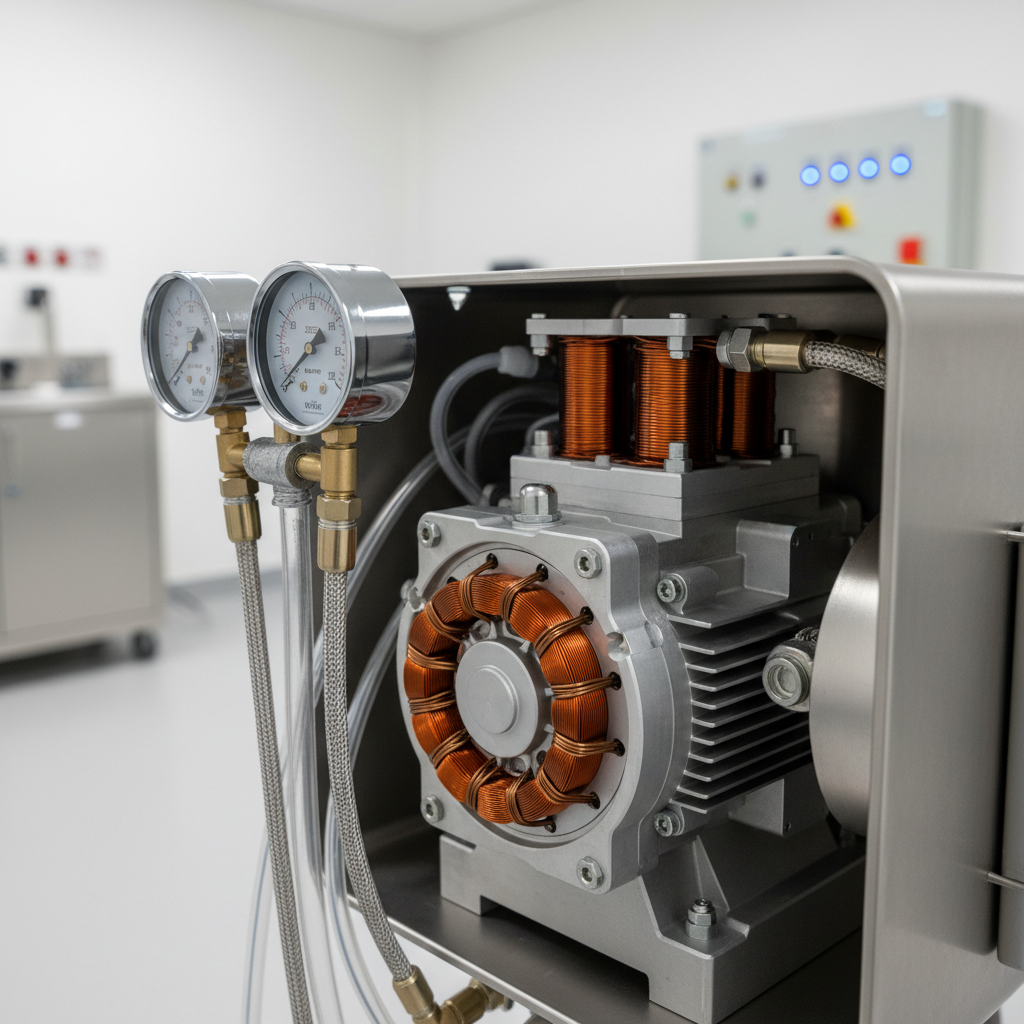
What is a Medical Vacuum System and Why is it Critical?
A medical vacuum system provides continuous, reliable suction for a variety of critical applications, including airway and wound suctioning, chest and pleural drainage, and waste anesthetic gas disposal (WAGD). Unlike a standard industrial vacuum, medical-grade systems are designed with specific duplex pump configurations, filtration, and monitoring to ensure patient safety. Per NFPA 99, Health Care Facilities Code, these are designated as Level 1, 2, or 3 systems depending on the risk to patients if the equipment fails. For most hospitals and surgical centers in Hialeah, the vacuum system is Level 1, meaning its failure is likely to cause major injury or death.
Components of an NFPA 99-Compliant System
- Vacuum Pumps: Usually configured in a multiplex arrangement (duplex, triplex) so one pump can operate while the other is in standby or being serviced.
- Receiver Tank: A reservoir that helps maintain a consistent vacuum level in the pipeline, reducing how often the pumps must run.
- Filtration: Inlet filters to protect the pumps and exhaust filters to capture contaminants.
- Alarms: Local and remote alarms are required to signal high or low vacuum levels, pump failure, or high temperatures, as mandated by NFPA 99 (Chapter 5).
NFPA 99 Maintenance Requirements for Medical Vacuum Pumps
NFPA 99 is the primary code governing medical gas and vacuum systems in the United States. It outlines strict requirements for inspection, testing, and maintenance. Adhering to these isn't optional; it's essential for accreditation and patient safety.
Daily, Quarterly, and Annual Checks
- Daily: Staff should monitor the vacuum levels on the main panel and check for any active alarms.
- Quarterly: A more thorough check of the entire system, including inspecting belts, oil levels, and alarm functions.
- Annually: A comprehensive annual inspection performed by an ASSE 6040 Certified Medical Gas Maintenance technician is required. This involves testing pump performance, checking all safeties, and verifying alarm functionality.
Why this matters for compliance: Failure to document and perform required maintenance can result in costly findings during Joint Commission surveys. Regular, documented service by a certified provider like Medical Testing Solutions demonstrates due diligence and a commitment to a safe patient environment.
Medical Vacuum Pump Rebuilds vs. Replacements
Over time, even the best-maintained pumps will experience wear and tear. Key components like vanes, seals, bearings, and motors degrade, leading to reduced performance and eventual failure. Facilities are often faced with a choice: rebuild the existing pump or replace it entirely?
| Feature | Full Pump Replacement | On-Site Pump Rebuild |
|---|---|---|
| Cost | High initial capital outlay | Lower cost, operational expense |
| Downtime | Can be extensive, requires system shutdown | Minimal downtime, often done on one pump while the other runs |
| Warranty | Full manufacturer warranty on new unit | Warranty on parts and labor for the rebuild |
| Scope | Includes new pump, motor, and all components | Replaces vanes, bearings, seals, filters; motor may be separate |
| Best For | Aging systems (>10-15 years), obsolete models, major failure | Scheduled preventative maintenance, minor performance degradation |
At Medical Testing Solutions, our ASSE-certified technicians can perform on-site rebuilds for most major brands, including Dekker, Busch, BeaconMedaes, and Powerex. This process restores the pump to OEM specifications with minimal disruption to your facility.
The Importance of ASSE 6000 Certification
When you need medical gas maintenance, it is critical to use personnel certified to the ASSE 6000 series standards. These credentials ensure the technician has passed a rigorous exam and has the practical knowledge to work on these life-support systems.
- ASSE 6010 Certified Installers: For new pump installations and system modifications.
- ASSE 6030 Certified Verifiers: For verifying the system after installation or modification to ensure it meets NFPA 99 standards.
- ASSE 6040 Certified Maintenance Personnel: For performing routine maintenance, repairs, and rebuilds.
Our team at Medical Testing Solutions holds these certifications, ensuring every service we provide in Hialeah is compliant, safe, and professional.
Common Medical Vacuum Pump Problems
Be aware of these warning signs that indicate your vacuum pump needs immediate service:
- Low Vacuum Pressure: The most obvious sign, often triggering an alarm. It could be due to a leak in the system or a failing pump.
- Pump Won't Start: Could be an electrical issue, a seized motor, or a problem with the control panel.
- Excessive Noise or Vibration: Often indicates failing bearings or a broken vane.
- Overheating: Can be caused by poor ventilation, low oil levels, or excessive friction from worn parts.
If you notice any of these issues, contact a certified technician immediately. Do not attempt to repair a medical vacuum pump with uncertified, in-house staff.
Choosing a Medical Vacuum Pump Service Provider in Hialeah
When selecting a partner for your medical vacuum pump service, look for a company with a proven track record in South Florida. Medical Testing Solutions, headquartered just a short drive away in Fort Lauderdale, offers comprehensive services for Hialeah-area healthcare facilities. We provide everything from emergency repairs and on-site rebuilds to full system replacements and ongoing preventative maintenance contracts.
Our extensive inventory of parts and complete pump packages from top brands means we can respond quickly to your needs. After any new installation, our ASSE 6030 certified verifiers perform a complete medical gas verification to ensure your system is 100% compliant before it goes back online.
Frequently Asked Questions
With proper maintenance and regular rebuilds, a medical vacuum pump can last 15-20 years or more. Replacement is typically recommended when the system becomes obsolete, parts are no longer available, or a catastrophic failure occurs.
A "wet" or oil-sealed rotary vane pump is a very common and reliable design, but requires regular oil changes. A "dry" or oil-less pump (like a rotary claw or scroll pump) uses no oil in the pumping chamber, reducing maintenance but often at a higher initial cost.
Absolutely not. Medical vacuum pumps are specifically designed and certified for healthcare use, with features like duplexing and specialized filtration mandated by NFPA 99. Using an industrial pump is a serious code violation and puts patients at risk.
A failure in a Level 1 system can disrupt surgeries, compromise patient care in recovery rooms and ICUs, and create a critical emergency. This is why NFPA 99 requires backup pumps and regular, preventative service.
Request a quote for your facility
Talk with Medical Testing Solutions about your next inspection, repair or equipment request.