Medical vacuum is a critical life-support utility in healthcare facilities, essential for a wide range of applications from patient drainage to operating room procedures. A failing vacuum pump doesn't just disrupt operations, it can pose a serious risk to patient safety. For facilities in Doral, Florida, ensuring your medical vacuum system is reliable, efficient, and compliant with national standards is non-negotiable. This guide explains the key aspects of medical vacuum pump service, including routine maintenance, emergency repairs, complete rebuilds, and system replacements, helping you understand how to maintain a compliant and dependable system.
Medical Gas Service
Compliance & Standards
Medical Vacuum Pump Service in Doral, FL: A Guide
Medical Testing SolutionsSeptember 3, 20266 min read
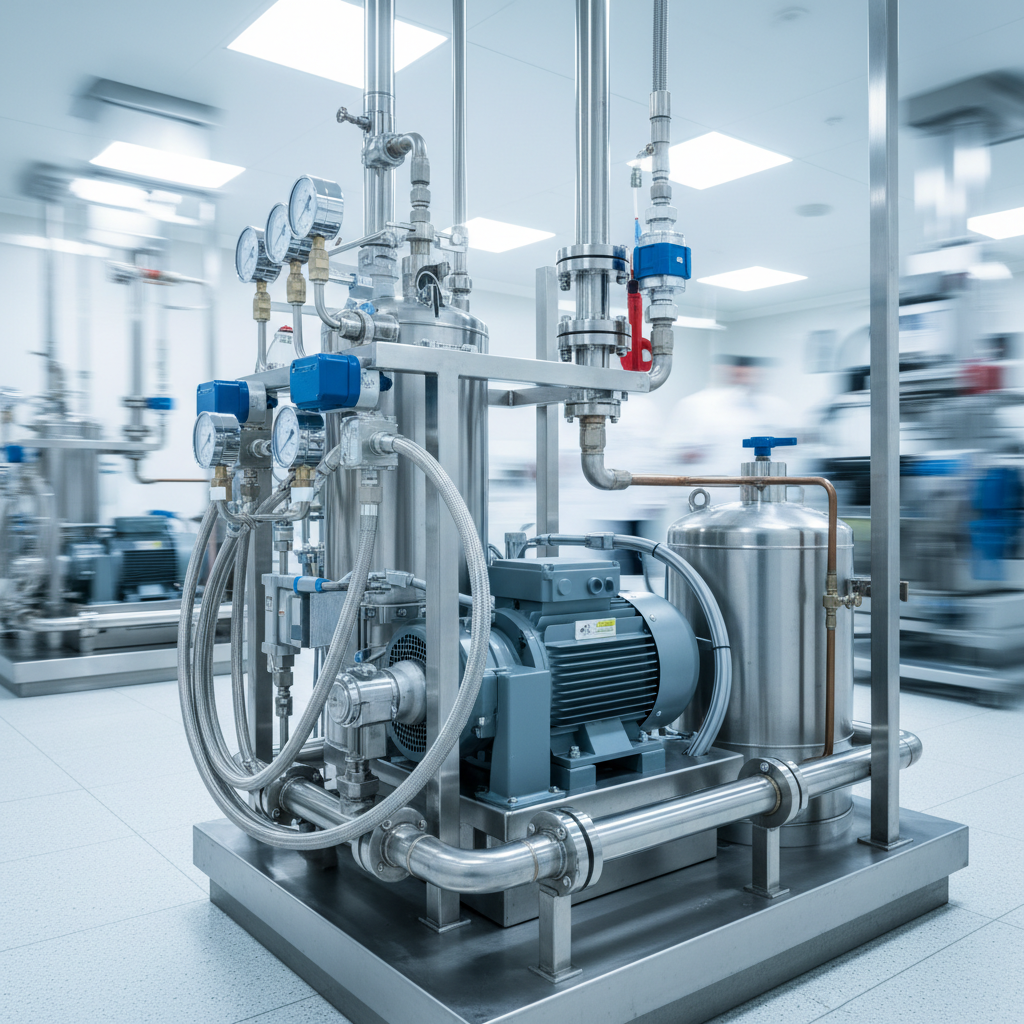
Why Medical Vacuum Pumps Fail and What to Do About It
Medical vacuum pumps are robust machines, but they operate under constant demand. Over time, wear and tear on components is inevitable. Common failure points include worn vanes, damaged bearings, shaft seal leaks, and motor issues. Environmental factors like high ambient temperatures or poor ventilation in the mechanical room can also accelerate wear. The first sign of trouble might be a pump that struggles to reach its required vacuum level, runs hotter than usual, or makes unusual noises. Ignoring these signs can lead to catastrophic failure, resulting in costly emergency repairs and operational downtime.
Common Failure Modes:
- Reduced Vacuum Pressure: Difficulty maintaining the NFPA 99 mandated 19 inHg at the furthest outlet.
- Overheating: Often caused by worn vanes, poor lubrication, or ventilation issues.
- Unusual Noises: Grinding or knocking sounds can indicate bearing failure or other internal damage.
- Oil Leaks: Degraded seals or gaskets can lead to oil contamination and loss.
If you notice any of these signs, it's time to call in a certified professional. Medical Testing Solutions provides expert medical gas maintenance services to diagnose and resolve pump issues quickly.
Preventative Maintenance: The First Line of Defense
Preventative Maintenance (PM) is the most cost-effective strategy for ensuring the longevity and reliability of your medical vacuum system. A structured PM program not only prevents unexpected breakdowns but is also a key requirement for compliance.
Why this matters for compliance: NFPA 99 (Section 5.1.14.2.2.8) mandates that "The medical-surgical vacuum system shall be maintained in accordance with the manufacturer's recommendations." A documented PM program performed by qualified technicians is essential for demonstrating compliance during inspections.
An effective PM plan for a medical vacuum pump includes:
- Regular Inspections: Checking for oil leaks, unusual noises, and proper operation.
- Oil Changes: Following manufacturer-recommended intervals for oil-sealed pumps.
- Filter Replacements: Replacing inlet and exhaust filters to ensure air quality and prevent contamination.
- Belt Tensioning/Replacement: Ensuring drive belts are in good condition and properly tensioned.
- Performance Verification: Testing vacuum levels at the pump and throughout the facility to ensure they meet NFPA 99 standards.
Medical Testing Solutions offers comprehensive PM contracts tailored to your specific equipment and usage, ensuring your system remains in peak condition.
Medical Vacuum Pump Rebuilds vs. Replacements
When a pump fails or shows signs of significant wear, you face a choice: rebuild or replace? The decision depends on the age of the pump, the extent of the damage, and the cost-effectiveness of each option.
When to Rebuild
A rebuild can be a cost-effective option for newer pumps with specific component failures. A typical rebuild involves disassembling the pump, cleaning all components, and replacing all wear parts like vanes, bearings, seals, and gaskets. It's a meticulous process that restores the pump to its original factory specifications. A rebuild is often the right choice if:
- The pump housing and major components are in good condition.
- The failure is limited to replaceable wear items.
- You need to minimize downtime and the rebuild can be completed quickly.
When to Replace
Sometimes, a replacement is the smarter long-term investment. This is often the case for older, inefficient pumps or when a rebuild would be economically impractical. Consider a full replacement if:
- The pump has suffered catastrophic failure (e.g., a seized motor or cracked housing).
- The pump is obsolete, and parts are difficult to find.
- A newer, more efficient model (like an oil-less rotary claw) could offer significant energy savings.
| Factor | Rebuild | Replacement |
|---|---|---|
| Cost | Lower initial cost | Higher initial cost |
| Downtime | Can be faster if parts are available | May require more planning and system modification |
| Warranty | Typically covers replaced parts and labor | Full new equipment warranty |
| Efficiency | Restores original efficiency | Opportunity to upgrade to newer, more efficient technology |
| Best For | Newer pumps with specific failures | Older, obsolete pumps or catastrophic failures |
The MTS Process for Vacuum Pump Service in Doral
At Medical Testing Solutions, we follow a rigorous process to ensure every service call is handled with the utmost professionalism and technical expertise. Our ASSE 6040 certified technicians are equipped to service all major brands, including BeaconMedaes, Powerex, and Dekker.
- Initial Assessment: We start with a thorough diagnosis of your system to identify the root cause of the problem. This includes checking vacuum levels, inspecting for leaks, and evaluating overall system health.
- Recommendation: Based on our findings, we provide a clear recommendation, outlining the options for repair, rebuild, or replacement, complete with a transparent quote.
- Execution: Whether it's a scheduled PM visit or an emergency repair, our technicians work efficiently to minimize disruption to your facility. We use only OEM or equivalent parts to ensure quality and reliability.
- Verification & Certification: After any service, we perform a complete system verification to ensure it complies with NFPA 99 standards. Our Medical Gas Verification services provide the necessary documentation to prove your system is safe and compliant for patient use.
Ensuring NFPA 99 Compliance for Your Vacuum System
NFPA 99 is the code that governs the installation, inspection, and maintenance of medical gas and vacuum systems in healthcare facilities. Adherence is mandatory. Key requirements for vacuum systems include:
- Minimum Vacuum Level: The system must be able to maintain a vacuum of at least 19 inches of Mercury (inHg) at the station inlet or terminal farthest from the central vacuum source.
- Redundancy: Systems must have multiple pumps to ensure continuous operation if one pump fails (N+1 redundancy).
- Alarms: Local and master alarms must be in place to indicate when the system deviates from its normal operating range.
- Regular Maintenance: The code explicitly requires maintenance to be performed according to the manufacturer's recommendations.
Our team is deeply familiar with every aspect of NFPA 99. We not only fix your equipment but also ensure your entire system is compliant, protecting your facility and your patients.
Get Expert Vacuum Pump Service in Doral, FL
Don't wait for a system failure to think about your medical vacuum pumps. Proactive maintenance and expert service are key to ensuring patient safety and operational continuity. The certified professionals at Medical Testing Solutions have the experience and qualifications to keep your system running safely and efficiently. We are your local Doral, FL experts for everything from routine inspections to complete system rebuilds.
Ready for a system you can rely on? Contact us today for a free consultation or to request a quote for our medical vacuum pump services. Call us at (754) 315-1078 to speak with a specialist.
Frequently Asked Questions
Maintenance should follow the manufacturer's recommendations, but a general best practice is to have a full preventative maintenance service performed annually or semi-annually, depending on the pump's age and usage. Daily checks by facility staff are also recommended.
Common signs include the pump running constantly, inability to reach or hold a deep vacuum, unusual noises (grinding, squealing), overheating, and oil leaks. Don't ignore these warnings.
Basic daily checks can be done by in-house staff. However, comprehensive maintenance, repairs, and rebuilds should only be performed by an ASSE 6040 certified technician to ensure proper service and maintain NFPA 99 compliance.
The timeline for a rebuild depends on the pump model and the extent of the damage. In many cases, it can be completed in a single day. At Medical Testing Solutions, we strive to minimize downtime and can sometimes offer loaner equipment.
Request a quote for your facility
Talk with Medical Testing Solutions about your next inspection, repair or equipment request.