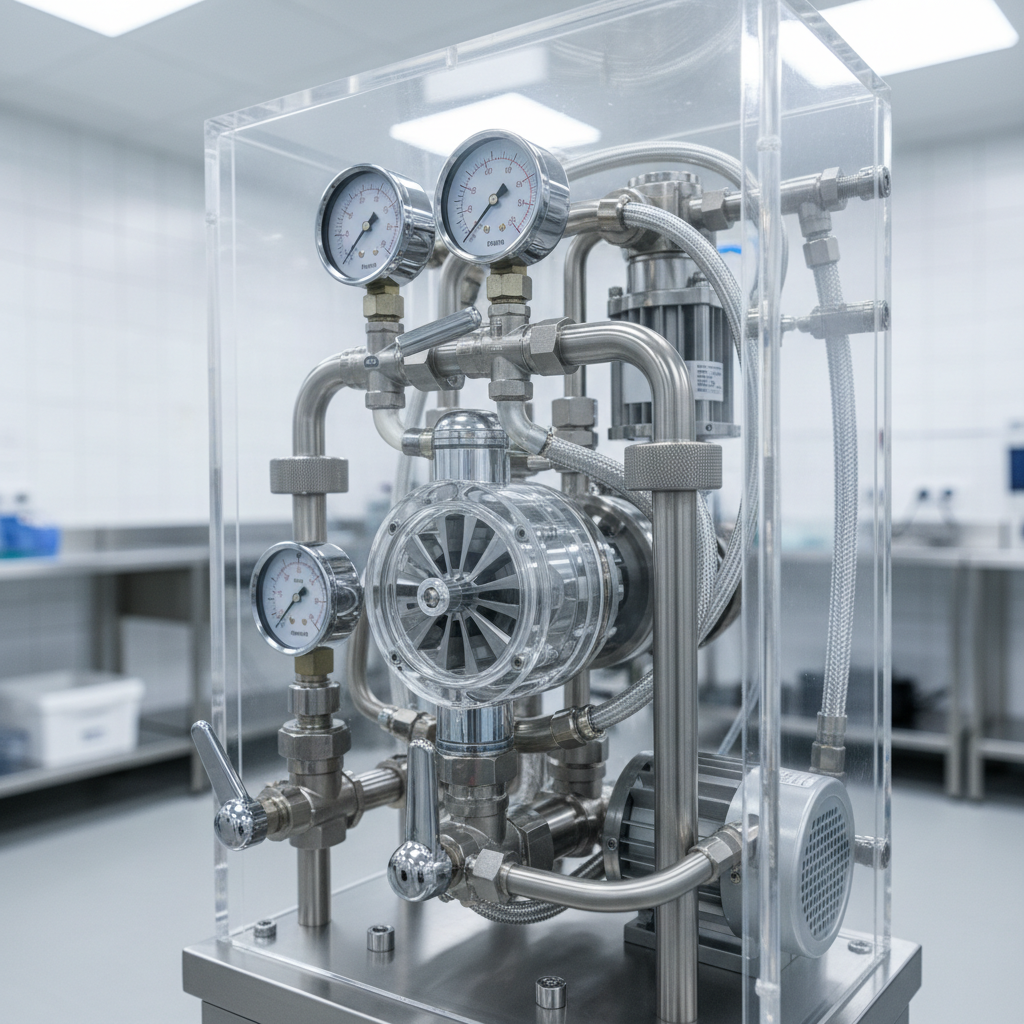
Medical Vacuum Pump Service Delray Beach FL: A Complete Guide
Medical Testing SolutionsSeptember 3, 20267 min read
Share
Medical vacuum systems are a critical life safety utility in hospitals, surgery centers, and dental offices throughout Delray Beach, Florida. These complex systems provide essential suction for surgical procedures, patient drainage, and waste anesthetic gas disposal (WAGD). When a medical vacuum pump fails, the consequences can be immediate and severe, potentially leading to procedure delays, compromised patient care, and regulatory violations. This guide provides facility managers and biomedical technicians with a comprehensive overview of medical vacuum pump service, maintenance, and compliance according to NFPA 99 standards.
Here, you will learn how to identify common vacuum pump problems, understand the importance of preventative maintenance, and know when to call in ASSE 6040 certified professionals for repairs, rebuilds, or emergency service. We will cover key NFPA 99 requirements, compare leading pump technologies, and provide actionable steps to ensure your facility's vacuum system remains powerful, reliable, and compliant.
Understanding Medical Vacuum Systems
A centralized medical vacuum system is a sophisticated assembly of pumps, tanks, controls, and piping. Unlike a standard commercial vacuum, medical-grade systems are designed for high-demand, continuous-duty applications where reliability is non-negotiable. The core of the system is the vacuum pump itself, which creates the negative pressure distributed throughout the facility.
Types of Medical Vacuum Pumps
There are several primary technologies used in modern medical vacuum systems. Each has distinct advantages and maintenance requirements.
Oil-Sealed Rotary Vane Pumps: These are a common and historically reliable choice, known for their durability. They require regular oil changes and diligent maintenance to prevent oil mist from contaminating the environment or the system itself.
Oil-Free (Dry) Rotary Vane Pumps: These pumps use self-lubricating carbon/graphite vanes, eliminating the need for oil and reducing the risk of oil-related contamination. They are a popular choice for new installations and upgrades.
Dry Claw Pumps: Claw-style pumps are another oil-free technology, using two interlocking claw-shaped rotors that rotate in opposite directions. They are known for their efficiency, longevity, and low maintenance needs.
Liquid Ring Pumps: These are extremely robust pumps that use a sealant fluid (typically water) to create the vacuum. They can handle high volumes and are resistant to contaminants, making them suitable for demanding applications.
Key System Components
Vacuum Pumps (Duplex/Triplex): NFPA 99 requires multiple pumps to ensure redundancy. If one pump is in service or fails, another is on standby.
Receiver Tank: This tank helps maintain a stable vacuum level in the piping system, reducing the frequency at which the pumps must cycle.
Control Panel: The "brain" of the system, monitoring system pressure, alternating pump operation (to equalize run hours), and triggering alarms.
Piping Network: A dedicated network of copper piping that delivers the vacuum to wall inlets and outlets throughout the building.
NFPA 99 Requirements for Medical Vacuum Systems
Compliance with the National Fire Protection Association (NFPA) 99, Health Care Facilities Code, is mandatory. This code outlines the minimum requirements for the design, installation, testing, and maintenance of medical gas and vacuum systems.
Why this matters for compliance: Failure to adhere to NFPA 99 can result in failed inspections, costly fines, loss of accreditation, and most importantly, puts patients at risk. An ASSE 6040 certified technician will perform all work in accordance with the latest edition of the code.
Key requirements include:
System Redundancy: The system must be able to maintain at least 50% of its calculated peak demand with one pump out of service (NFPA 99, 5.1.3.5.2).
Piping: Must be Type L or K copper, cleaned and brazed by an ASSE 6010 certified installer.
Alarms: Local and master alarms are required to indicate when the system deviates from normal operating parameters.
Maintenance & Testing: The code mandates a scheduled maintenance program and regular testing of all components. This is not optional; it's a legal requirement.
For a full scope of requirements, it is essential to consult with a company specializing in medical gas verification and maintenance.
Preventative Maintenance: The Key to Reliability
A proactive preventative maintenance (PM) program is the single most effective way to prevent catastrophic vacuum pump failure. A typical PM contract for a Delray Beach facility should be performed quarterly or semi-annually by an ASSE 6040 certified technician.
PM Checklist Essentials:
Check and document vacuum levels at the pump and throughout the system.
Inspect and clean or replace inlet filters.
For oil-sealed pumps: check oil levels, change oil, and send samples for analysis to detect premature wear.
For dry pumps: check vane condition and replace as needed per manufacturer specifications.
Verify lag pump automatic activation and alarm function.
Check and tighten all belts and couplings.
Inspect all electrical connections and motor amperage.
Clean the exterior of the pumps and the equipment room.
Document all findings in a detailed service report for facility records.
Regular, professional medical gas maintenance services from a company like Medical Testing Solutions not only ensure reliability but also provide the documentation needed for regulatory inspections.
Common Medical Vacuum Pump Problems & Troubleshooting
Even with a robust PM plan, issues can arise. Here are some common problems and their potential causes:
Check/replace filter; Perform leak test; Call for service to inspect/rebuild pump
Pump Won't Start
Electrical issue (breaker, fuse); Motor failure; Seized pump
Check electrical panel; Test motor; Requires professional service
Pump Runs Continuously
Large system leak; Faulty pressure switch; Undersized system for facility demand
Isolate sections to find leak; Test control panel; Call for system evaluation
Loud/Unusual Noises
Worn motor bearings; Loose belt; Failing pump internals
Shut down pump immediately (if safe) and call for emergency service
Pump Rebuilds vs. Full Replacement
When a vacuum pump fails or shows significant signs of wear, facility managers face a choice: rebuild or replace? A major rebuild can often restore a pump to its original performance specifications for a fraction of the cost of a new unit. This typically involves a complete disassembly, cleaning, and replacement of all wear parts like vanes, bearings, seals, and gaskets.
Consider a rebuild if:
The pump model is still well-supported.
The core components (motor, pump housing) are in good condition.
Budget is a primary constraint.
Consider a replacement if:
The existing pump is obsolete and parts are unavailable.
The facility's vacuum demand has increased, requiring a larger system.
The cost of repeated repairs is approaching replacement cost.
You want to upgrade to a more efficient, oil-free technology.
Medical Testing Solutions provides expert on-site and in-shop pump rebuilds, as well as turnkey replacements and medical gas installation services performed by ASSE 6010 certified installers.
Choosing a Service Provider in Delray Beach, FL
Not all service providers are created equal. When your facility's life support systems are on the line, you need a partner with proven expertise and the right credentials. Look for a company that:
Employs ASSE 6040 credentialed technicians for maintenance and repair.
Employs ASSE 6030 credentialed verifiers for system testing.
Has a physical presence in the South Florida area for rapid dispatch.
Provides detailed service reports compliant with Joint Commission and DNV standards.
Offers 24/7 emergency service.
Medical Testing Solutions, located in nearby Fort Lauderdale, meets all these criteria, providing specialized service to healthcare facilities throughout Palm Beach County, including Delray Beach.
Get Your Delray Beach Facility a Quote
Don't wait for a failure to think about your medical vacuum system. Ensure your Delray Beach facility is safe, compliant, and prepared with a robust maintenance plan from the certified experts at Medical Testing Solutions. We provide comprehensive service, from preventative maintenance and emergency repairs to full system installations.
Contact us today for a no-obligation quote on a service contract or pump evaluation. Call our South Florida office at (754) 315-1078 or request a quote online to protect your patients and your facility.
Frequently Asked Questions
A preventative maintenance visit by an ASSE 6040 certified technician should be performed quarterly or semi-annually, depending on the pump type and usage. The manufacturer's recommendations and NFPA 99 provide the minimum standard of care.
It is a credential for Medical Gas Systems Maintenance Personnel. An ASSE 6040 certified technician has undergone extensive training and passed a rigorous exam, demonstrating their competence in maintaining medical gas and vacuum systems according to NFPA 99 standards.
While in-house staff can perform daily checks (e.g., observing for leaks or unusual noises), NFPA 99 requires that all maintenance and repairs be performed by qualified, credentialed individuals. Using uncertified staff can lead to improper repairs and create significant liability for the facility.
This refers to the pump's lubrication mechanism. "Wet" or oil-sealed pumps use oil to lubricate and seal the moving parts. "Dry" pumps, like claw or oil-free vane types, do not require oil in the pumping chamber, reducing maintenance and contamination risks.
Request a quote for your facility
Talk with Medical Testing Solutions about your next inspection, repair or equipment request.