A reliable medical vacuum system is a critical life support utility in any healthcare facility. From operating rooms to patient bedsides, these systems are vital for a range of procedures that remove unwanted fluids and gases. But like any complex mechanical system, consistent performance depends on a robust preventative maintenance (PM) program. This guide details the essential PM schedules for medical vacuum pumps, explores the associated costs, and explains how to stay compliant with crucial safety standards like NFPA 99. You will learn what goes into a maintenance check, how to plan for service with minimal disruption, and why certified professionals are the only choice for this specialized work.
Medical Gas Service
Compliance & Standards
Medical Vacuum Pump Maintenance: A PM Schedule & Cost Guide
Medical Testing SolutionsAugust 27, 20268 min read
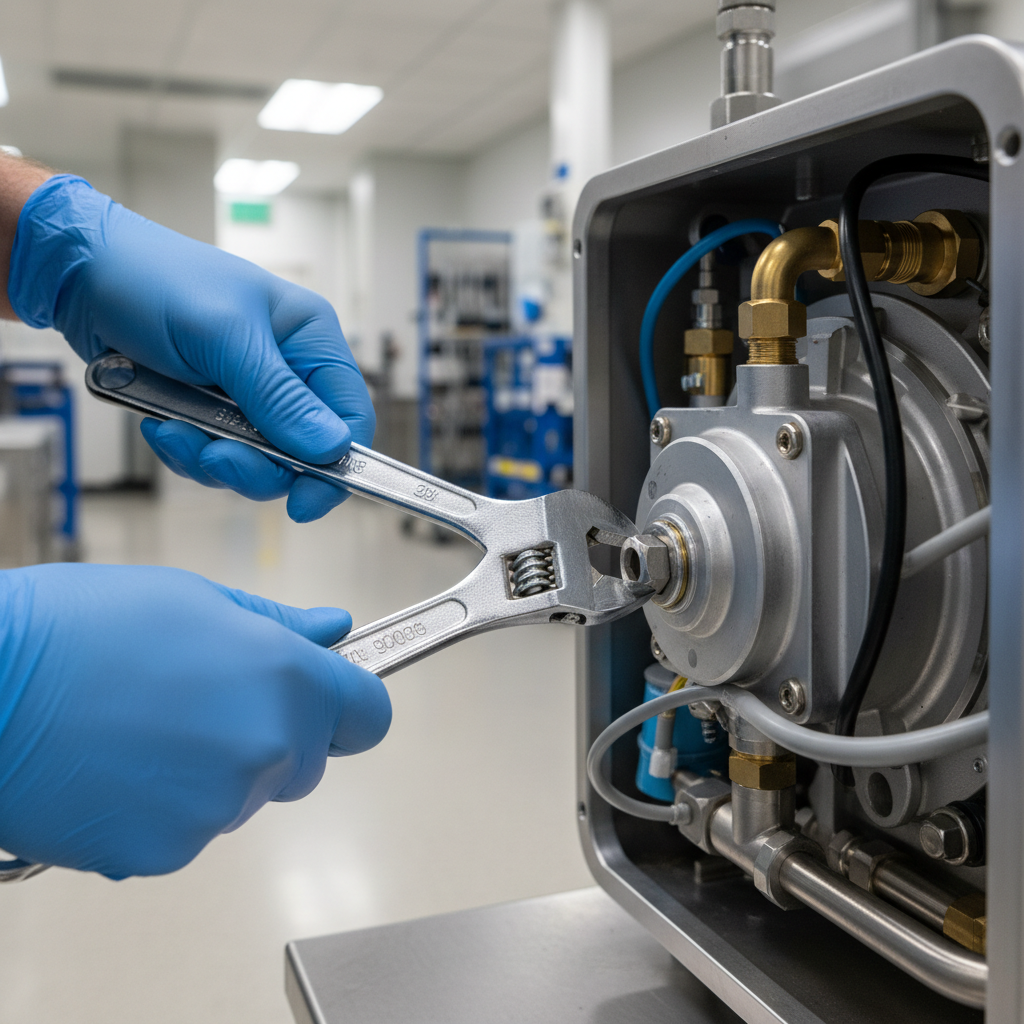
Why Medical Vacuum Pump Maintenance is Non-Negotiable
Neglecting your medical vacuum pump isn't just a risk; it's a direct threat to patient safety and a violation of regulatory standards. A failing pump can lead to catastrophic failures in life-sustaining applications, procedure delays, and costly emergency repairs. The primary standard governing these systems, NFPA 99, Health Care Facilities Code, mandates regular inspection, testing, and maintenance. Adhering to a strict PM schedule ensures your facility remains compliant, minimizes the risk of unexpected downtime, and extends the lifespan of your expensive equipment. For facility managers, it’s about shifting from a reactive "fix-it-when-it-breaks" model to a proactive, safety-first strategy.
The High Cost of Failure
- Patient Safety Risks: Inadequate suction can compromise surgical procedures, airway management, and other critical treatments.
- Operational Downtime: An unexpected pump failure can shut down entire wings of a hospital, leading to cancelled procedures and significant revenue loss.
- Emergency Repair Costs: Emergency service calls are significantly more expensive than scheduled medical gas maintenance services, often involving rush shipping for parts and premium labor rates.
- Regulatory Penalties: Failure to comply with NFPA 99 can result in citations, fines, and potential loss of accreditation from bodies like The Joint Commission.
Why this matters for compliance: NFPA 99 (2018 edition, Section 5.1.14.2.2.7) explicitly requires that "The medical-surgical vacuum system shall be maintained by a qualified, competent individual." A documented PM program is your primary evidence of compliance.
A Typical Medical Vacuum PM Schedule (NFPA 99)
Preventative maintenance for medical vacuum pumps should follow the manufacturer's minimum recommendations, which NFPA 99 adopts as the baseline requirement. While schedules can vary slightly by manufacturer (e.g., Becker, Powerex, BeaconMedaes, Dekker), a typical cadence is broken down into quarterly, semi-annual, and annual tasks.
Quarterly PM (Every 3 Months)
This is a basic operational check to catch issues early.
- Check and clean all filters: Inspect the inlet filter and any other accessible filtration components.
- Verify oil level and condition: For oil-lubricated pumps, check the sight glass. The oil should be clear, not milky or dark. Top off if necessary.
- Inspect belts for wear and tension: For belt-driven pumps, check for cracks, fraying, and proper tension.
- Listen for unusual noises or vibration: A trained ear can often detect bearing wear or other mechanical issues before they become critical failures.
- Confirm proper vacuum levels: Check the system gauge to ensure it’s operating within the designed range, typically 15-20 in. HgV.
Semi-Annual PM (Every 6 Months)
This involves more in-depth service and parts replacement.
- Change the oil: For oil-sealed pumps (like rotary vane), this is critical. Contaminated oil loses its lubricating properties and can damage the pump.
- Replace oil filter and exhaust separators: These components are essential for efficiency and preventing oil carryover into the exhaust.
- Clean the oil-water separator jar and check drain function.
- Test all alarms: This includes the lag alarm and any low-vacuum alarms connected to the master alarm panel.
Annual PM (Every 12 Months)
The annual service is the most comprehensive, often requiring a full PM kit.
- Complete all quarterly and semi-annual tasks.
- Replace vanes/blades: For rotary vane pumps, vanes are a primary wear item. They should be replaced according to the manufacturer's specified hours (typically 8,000-16,000 hours) or annually.
- Replace all gaskets and seals included in the PM kit.
- Clean the pump internals if accessible and necessary.
- Perform a comprehensive system test: An ASSE 6040 certified technician will verify not just the pump, but the entire vacuum system’s performance from the source to the patient outlets.
Anatomy of a Vacuum Pump PM Kit
What’s actually in the box? A preventative maintenance kit for a medical vacuum pump is a curated set of original equipment manufacturer (OEM) parts designed for a specific service interval. Using OEM parts is crucial for ensuring proper fit, function, and warranty compliance. While contents vary, a comprehensive annual kit for an oil-sealed rotary vane pump typically includes:
- Vanes (Graphite or Carbon): The primary wear component that creates the vacuum.
- Oil Separator Elements: To remove oil mist from the exhaust air.
- Gaskets and O-Rings: For sealing the pump housing and various components to prevent leaks.
- Shaft Seal: Prevents oil from leaking out along the motor shaft.
- Bearings: Often included in major rebuild kits for higher service hours.
- Filters: Inlet filters and oil filters.
- Specialized Lubricant/Oil: The correct type and viscosity of oil is essential.
At Medical Testing Solutions, we supply PM kits for all major brands, ensuring your in-house team has the exact parts they need. You can browse our products catalog for more information.
Estimating Medical Vacuum Pump Maintenance Costs
Maintenance costs can be broken down into two components: the cost of the PM kits/parts and the cost of labor.
| Item | Estimated Cost (USD) | Notes |
|---|---|---|
| Quarterly PM (In-house) | $50 - $150 | Cost of oil top-off, filters, and staff time. |
| Semi-Annual PM Kit | $200 - $600 | Includes oil, filters, and separators. Varies by pump size/brand. |
| Annual PM Kit | $500 - $1,500+ | Includes vanes, seals, gaskets, oil, filters. Varies significantly by pump model. |
| Labor (Certified Technician) | $800 - $2,500 | Per pump, per visit. Depends on travel time, complexity, and regional rates. |
| Annual Service Contract | $1,500 - $5,000+ | Per pump, per year. Often includes all PM visits, parts, labor, and emergency call discounts. |
Factors Influencing Cost:
- Pump Type: Oil-less/dry pumps (like scroll or claw) have no oil to change but have more expensive wear components (tip seals, claw seals) that require replacement at set intervals.
- Pump Size: Larger pumps (higher CFM) require larger, more expensive parts.
- Number of Pumps: Facilities typically have duplex, triplex, or quadplex systems. Service contracts are often priced per pump.
- Service Provider: Costs vary between independent service organizations (ISOs) and the original equipment manufacturer (OEM). A certified ISO like Medical Testing Solutions often provides more competitive pricing and personalized service.
The Critical Role of the ASSE 6040 Certified Technician
While an in-house facilities team can handle basic checks, comprehensive maintenance on medical gas source equipment requires specialized training. An ASSE 6040 Medical Gas Systems Maintenance credentialed technician has undergone rigorous training and testing on the specific requirements of NFPA 99. They understand not just how to service the pump, but why specific procedures and tests are necessary for system integrity and patient safety.
Hiring a certified professional ensures:
- Compliance: They are qualified to perform the maintenance required by NFPA 99.
- Expertise: They can diagnose complex problems that a general maintenance person would miss.
- Safety: They follow strict safety protocols when working on critical life support systems.
- Documentation: They provide the detailed service reports and labels required for accreditation surveys.
The team at Medical Testing Solutions includes ASSE 6040 certified professionals who perform maintenance, inspections, and medical gas verification for facilities across the country.
Tips for Minimizing Downtime During Service
Scheduled downtime is always better than an emergency shutdown. With proper planning, PM can be performed with zero impact on patient care.
- Utilize Redundancy: NFPA 99 requires medical vacuum systems to be sized so that one pump can be shut down for service while the remaining pump(s) meet the total facility demand.
- Schedule Off-Hours: Plan service for weekends or overnight when surgical schedules are lighter.
- Communicate with Clinical Staff: Inform department heads (e.g., OR Manager, ICU Nurse Manager) well in advance of the service window.
- Work with an Experienced Provider: A professional service company will work with you to create a precise service plan, ensuring their technicians arrive with the correct parts and can work efficiently.
Protect Your Patients and Your Facility
Your medical vacuum pump is too important to leave to chance. A proactive, compliant preventative maintenance program is essential for ensuring patient safety, avoiding costly downtime, and extending the life of your equipment. By understanding the proper PM schedule, budgeting for the costs, and partnering with ASSE 6040 certified professionals, you can ensure your vacuum system remains a reliable asset for years to come.
Don't wait for an alarm to sound. Contact the experts at Medical Testing Solutions today for a comprehensive assessment of your medical vacuum system. Call us at +1 (754) 315-1078 or request a quote online for our certified maintenance services and OEM PM kits.
Frequently Asked Questions
For oil-sealed rotary vane pumps, oil should typically be changed semi-annually (every 6 months) or annually, depending on the manufacturer's recommendations and the pump's run hours. Always use the specific oil type recommended by the OEM.
"Wet" or "oil-sealed" pumps, like rotary vane pumps, use oil to seal and lubricate the pumping mechanism. "Dry" pumps, like scroll or claw pumps, use non-contacting, oil-free mechanisms. Dry pumps have higher upfront costs and different maintenance requirements (e.g., tip seal replacement) but eliminate the risk of oil contamination.
While an in-house team can perform daily and quarterly checks, NFPA 99 requires maintenance to be performed by a "qualified" individual. For annual PM and major repairs, this is widely interpreted to mean an ASSE 6040 certified technician who has specialized training on medical gas source equipment.
Most hospital vacuum systems are designed to maintain a continuous vacuum level between 15 and 20 inches of mercury (in. HgV) at the source equipment. The level at the wall outlet should be sufficient for the intended medical application.
Request a quote for your facility
Talk with Medical Testing Solutions about your next inspection, repair or equipment request.