Medical gas supply systems are a life-support utility, as critical to patient care as electricity or water. For healthcare facilities in Melbourne, Florida, ensuring these systems are flawlessly maintained isn't just a best practice, it's a mandate for patient safety and regulatory compliance. An interruption or contamination can have catastrophic consequences. This guide provides a definitive overview of medical gas maintenance, explaining the critical components, the governing codes like NFPA 99, and the benefits of a proactive, preventive maintenance contract. You will learn what a robust maintenance program entails, how to meet compliance standards, and how to choose a qualified partner to protect your facility, patients, and staff.
Medical Gas Service
Compliance & Standards
Medical Gas Maintenance Melbourne FL: A Guide for Healthcare Facilities
Medical Testing SolutionsJune 24, 20266 min read
What is Medical Gas Maintenance? (And What It's Not)
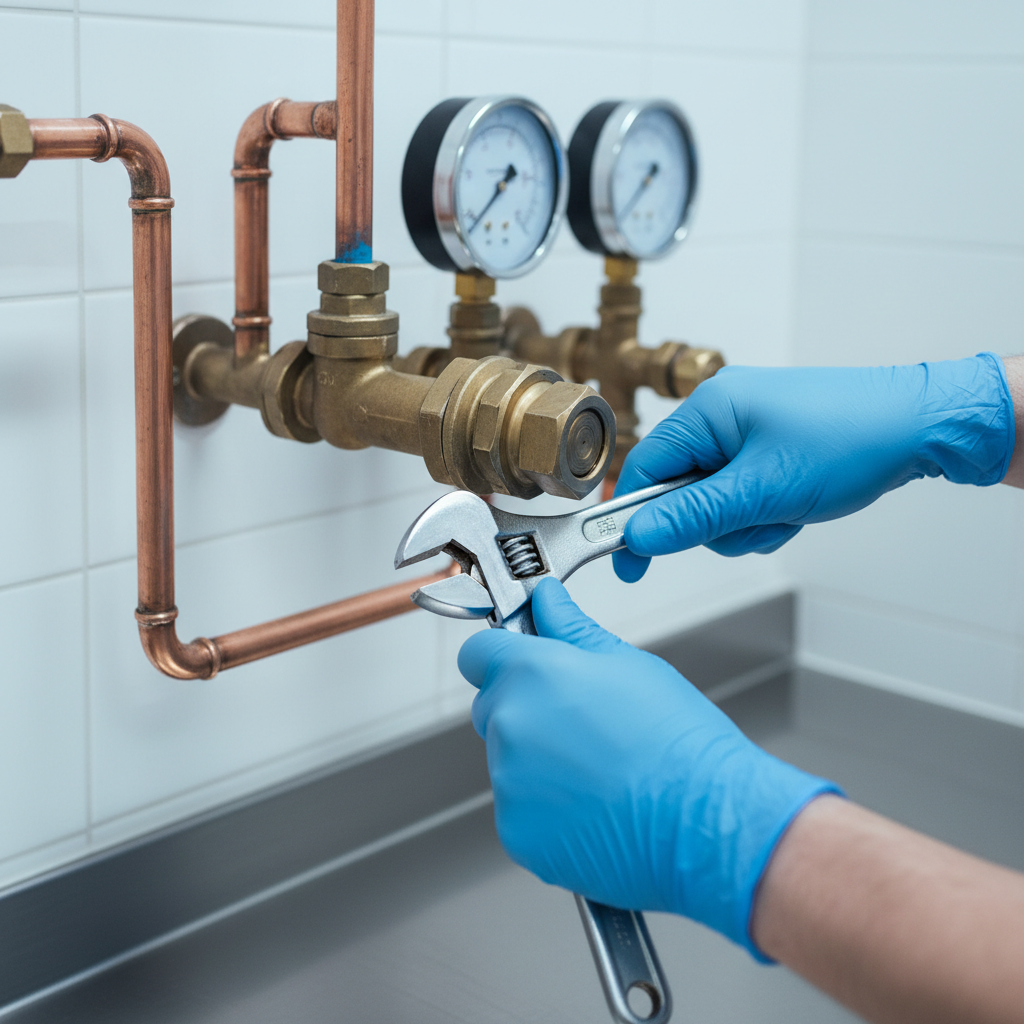
Many facility managers confuse an annual inspection with a comprehensive maintenance program. While related, they are not the same. A comprehensive medical gas maintenance program is a proactive, ongoing process of inspection, testing, and servicing of your system's mechanical components to prevent failures before they happen.
Beyond the Annual Inspection
This is distinct from the annual medical gas inspection process, which is a point-in-time assessment of the system's overall health and compliance. Maintenance involves hands-on work: replacing worn parts, lubricating pumps, calibrating sensors, and making adjustments. Think of it as the regular oil changes and tune-ups your car needs, while the annual inspection is the state-required safety and emissions test.
The Core Components: Pumps, Manifolds, and Alarms
A maintenance program focuses on the active, mechanical parts of your system that are most prone to wear and tear. This includes:
- Source Equipment: Medical air compressors, vacuum pumps, and water-sealed liquid ring pumps.
- Manifold Systems: High-pressure cylinder banks that provide a continuous gas supply when the primary source is depleted or fails.
- Alarm Systems: The master and area alarm panels that provide critical warnings about system pressure and operational status.
The Regulatory Backbone: NFPA 99 and ASSE Standards
Maintenance requirements are not suggestions; they are codified by national standards to ensure patient safety. For Melbourne hospitals and surgery centers, two primary sets of standards govern medical gas maintenance.
NFPA 99, Chapter 5: The Rulebook for Maintenance
The National Fire Protection Association's NFPA 99, "Health Care Facilities Code," is the foundational document for medical gas systems in the United States. Chapter 5 specifically outlines the requirements for operational management and ongoing maintenance. The code mandates that all maintenance, testing, and inspection of medical gas systems be performed by qualified individuals and that detailed records be kept for review by regulatory bodies like The Joint Commission (TJC) and the Agency for Health Care Administration (AHCA).
Why this matters for compliance: Failure to maintain and document your medical gas system according to NFPA 99 can result in significant findings during a survey, potential loss of accreditation, and liability in the event of an adverse patient event. A robust maintenance log is your proof of due diligence.
ASSE 6000 Series: Certifications for Personnel
Who is "qualified" to perform this work? The American Society of Sanitary Engineering (ASSE) 6000 Series provides the answer. Specifically, ASSE 6040 (Medical Gas Maintenance Personnel) certification is required for individuals performing maintenance on medical gas systems. This certification ensures the technician has the specialized knowledge to work on these critical systems without introducing contaminants or creating safety hazards. At Medical Testing Solutions, our technicians hold these critical certifications. After any major repair or modification, which may be necessary after a new medical gas installation, the system must be re-verified by an ASSE 6030 credentialed verifier.
Key Systems Requiring Preventive Maintenance
A scheduled maintenance plan addresses the specific needs of each component, from the source to the wall outlet.
Medical Air Compressors & Vacuum Pumps
These are the workhorses of your system. Maintenance includes:
- Checking and changing oil and filters
- Inspecting belts for wear and tension
- Verifying proper coolant levels
- Testing and logging motor amperage draw
- Calibrating pressure switches and sensors
Manifold Systems
Manifolds ensure an uninterrupted gas supply. Maintenance involves:
- Functionally testing automatic changeover operations
- Verifying all pressure gauges for accuracy
- Checking for leaks at cylinder connections and regulators
- Ensuring regulator set-points are correct
Master and Area Alarms
Alarms are your first line of defense. Maintenance ensures:
- Each alarm point (e.g., high pressure, low pressure, changeover) is tested and functions correctly.
- Indicator lights and audible warnings are operational.
- Sensors are properly calibrated and located.
Developing a Preventive Maintenance Plan for Your Melbourne Facility
NFPA 99 requires healthcare facilities to develop a scheduled maintenance program based on the manufacturer's recommendations, risk assessment, and local conditions. A qualified partner like Medical Testing Solutions can help you create a customized plan.
Here is an example schedule based on NFPA 99 guidelines:
| Component | Recommended Frequency | Typical Tasks |
|---|---|---|
| Medical Air Source | Quarterly / Semi-Annually | Change filters, check oil, belt tension, test dew point & CO monitors. |
| Medical-Surgical Vacuum | Quarterly / Semi-Annually | Change oil/filters, inspect belts, drain collection jars. |
| Master Alarm Panels | Annually | Test all signal points, verify indicator lights and buzzers. |
| Area Alarm Panels | Annually | Test all pressure switches and sensors. |
| Manifold Systems | Annually | Function test changeover, check regulators, test alarms. |
| Outlets/Inlets | Annually | Test for flow, pressure, and leaks (as part of annual inspection). |
Benefits of a Professional Maintenance Contract
Partnering with a certified service provider for a maintenance contract offers several advantages over a reactive, break-fix approach:
- Reduced Long-Term Costs: Prevents catastrophic failures that lead to emergency repair bills and OR shutdowns.
- Enhanced Patient Safety: Ensures clean, uninterrupted delivery of life-supporting gases.
- Guaranteed Compliance: Provides the necessary documentation to satisfy TJC, AHCA, and other authorities.
- Extended Equipment Life: Proper care extends the lifespan of expensive pumps and source equipment.
- Peace of Mind: Allows your facility management team to focus on other priorities, knowing this critical system is managed by experts.
Choosing a Qualified Medical Gas Service Provider in Melbourne
When selecting a partner, look for:
- ASSE 6040 Certification: Non-negotiable for maintenance personnel.
- ASSE 6030 Certification: For post-maintenance system verification.
- Insurance: Appropriate liability and workers' compensation coverage.
- Documentation: A proven system for providing detailed service reports for your compliance binders.
- Local Presence: A provider with a presence in the Melbourne / Space Coast area can offer faster response times.
Medical Testing Solutions meets all of these criteria and has served Florida's healthcare community for years, providing expert service from our ASSE-certified team. We provide a full suite of services, from installation and verification to a full medical gas certification of your systems.
Conclusion: Proactive Maintenance is Non-Negotiable
For facilities in Melbourne, FL, medical gas maintenance is a foundational pillar of patient safety and operational stability. Deferring this critical work is not a cost-saving measure; it's an acceptance of unacceptable risk. By implementing a robust, NFPA 99-compliant preventive maintenance program with a certified partner, you ensure the integrity of your medical gas systems, protect your patients, and secure your facility's accreditation.
Ready to secure your facility's compliance and patient safety?
Contact Medical Testing Solutions today to request a quote for a customized preventive maintenance plan for your Melbourne facility. Call us at +1 (754) 315-1078 to speak directly with a medical gas specialist.
Frequently Asked Questions
Medical gas maintenance is the scheduled, hands-on servicing of system components like air compressors, vacuum pumps, and manifolds. It includes tasks like changing filters, lubricating parts, calibrating sensors, and functionally testing equipment to prevent failures, as outlined by NFPA 99.
The frequency depends on the specific component, manufacturer recommendations, and system usage. For example, pumps and compressors often require quarterly or semi-annual service, while alarm testing and manifold function tests are typically performed annually.
Only individuals holding an ASSE 6040 Medical Gas Maintenance Personnel certification are qualified. This ensures they have the specialized knowledge to work on these life-support systems safely and without causing contamination.
The risks are severe, including unexpected system failures, costly emergency repairs, OR and procedure room shutdowns, loss of patient revenue, non-compliance with TJC and other authorities, and most importantly, potential harm to patients.
Maintenance (ASSE 6040) is the ongoing service and repair of existing equipment. Verification (ASSE 6030) is a comprehensive process to confirm a newly installed or modified system meets all safety and performance standards before being used for patient care. The medical gas verification process is essential after any system breach.
Yes. While we have a strong presence in the Melbourne and Space Coast region, Medical Testing Solutions is headquartered in Fort Lauderdale and serves healthcare facilities throughout the state of Florida and beyond. Contact us to discuss your facility's needs.
Request a quote for your facility
Talk with Medical Testing Solutions about your next inspection, repair or equipment request.