For any healthcare facility in Kissimmee, from hospitals to dental clinics, the medical gas system is a life-sustaining utility. The continuous, reliable flow of oxygen, medical air, and vacuum is non-negotiable for patient care. However, these complex systems are not "set it and forget it." They require diligent, documented maintenance to ensure patient safety, prevent costly emergency breakdowns, and maintain compliance with strict regulatory standards. This pillar post provides a definitive guide to medical gas maintenance for facility managers in Kissimmee, FL. You will learn about the critical components that require attention, the specific requirements outlined by NFPA 99, the importance of ASSE-certified technicians, and the overwhelming benefits of a proactive preventive maintenance contract with a qualified partner like Medical Testing Solutions.
Medical Gas Maintenance in Kissimmee, FL: A Guide to NFPA 99 Compliance
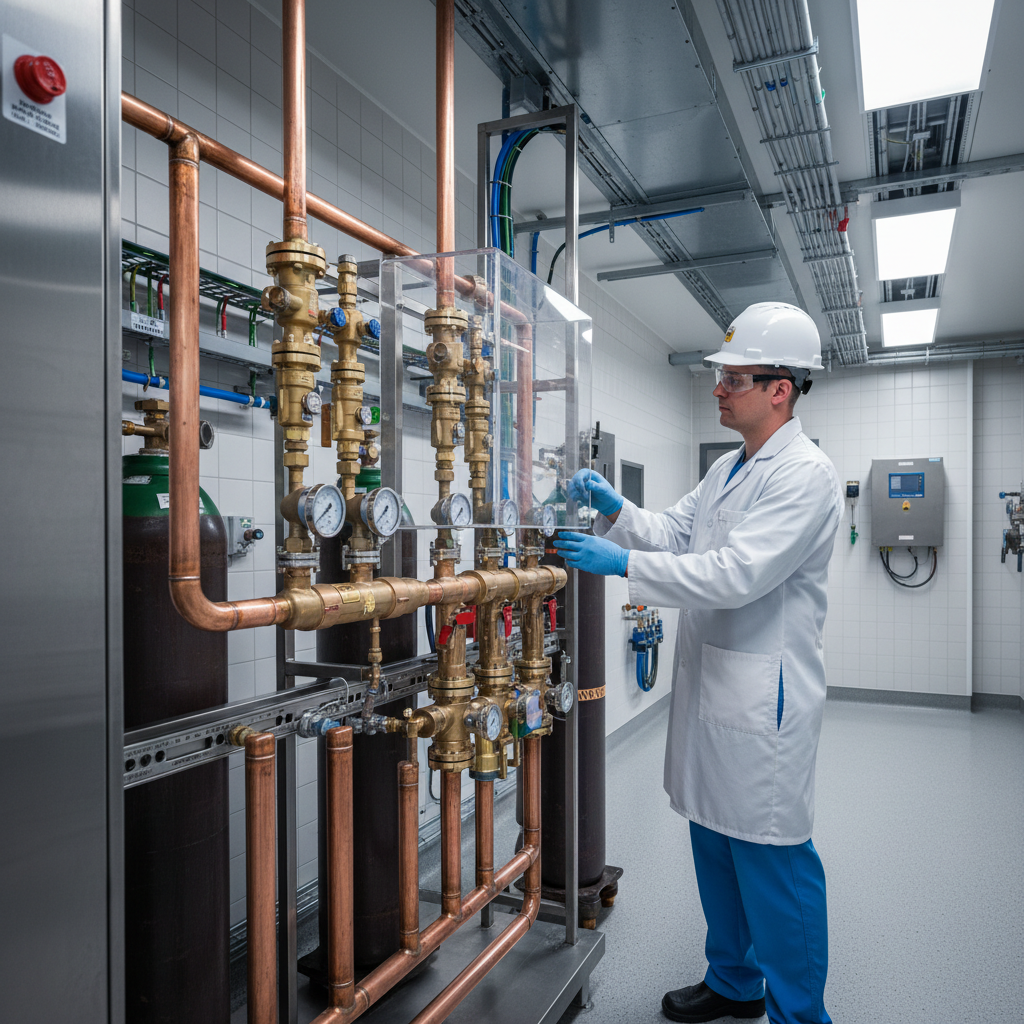
What Is Medical Gas Maintenance? (And Why It’s Not Optional)
Medical gas maintenance is the scheduled, proactive servicing of all components within a facility's medical gas distribution system. This is distinct from an annual inspection, which is a point-in-time assessment. Maintenance involves testing, adjusting, cleaning, and replacing parts to prevent system degradation and failure. The primary goal is to ensure the system operates exactly as designed, delivering pure medical gases at the correct pressures and volumes without interruption.
Failing to perform regular maintenance can lead to catastrophic consequences, including patient harm, unexpected equipment shutdowns, and significant compliance penalties. The National Fire Protection Association (NFPA) standard, NFPA 99, Health Care Facilities Code, outlines the minimum requirements for these systems, making maintenance a legal and ethical obligation.
Why this matters for compliance: NFPA 99 is not just a set of guidelines; it is the law in most jurisdictions, including Florida. The Centers for Medicare & Medicaid Services (CMS) requires compliance for participation, and accrediting organizations like The Joint Commission (TJC) will rigorously audit your maintenance logs and procedures. Non-compliance can jeopardize accreditation and funding.
Core Components of a Medical Gas System Requiring Maintenance
A medical gas system is more than just pipes in the walls. It's an ecosystem of interconnected equipment that must work in harmony. A comprehensive maintenance plan, like those offered by Medical Testing Solutions, covers all critical assets.
Source Equipment (Pumps & Manifolds)
- Medical Air Compressors: These are the heart of the medical air system. Maintenance involves checking oil levels, changing filters, verifying belt tension, testing moisture indicators, and ensuring automatic drain functions work correctly.
- Vacuum Pumps: Critical for surgical and waste anesthetic gas disposal (WAGD) systems. Maintenance includes checking oil, cleaning traps, testing for leaks, and verifying performance against original specifications.
- Manifolds: These systems, which control the switchover between primary and secondary gas cylinder banks, must be tested to ensure they function automatically and trigger the appropriate master alarm signals.
Alarms and Monitoring Systems
- Master Alarms: The central brain of the system. Maintenance involves testing every single alarm condition (e.g., high/low pressure, changeover) to ensure it annunciates correctly at the main panel and any remote locations.
- Area Alarms: Located in critical care areas, these alarms must be tested to confirm they accurately reflect the pressure and vacuum levels within that specific zone.
- Line Isolation Monitors (LIMs): For facilities with wet procedure locations, LIM testing is crucial. Learn more about our specialized LIM testing services.
Patient-Facing Components
- Outlets and Inlets: These connection points in patient rooms and operating theaters must be checked for leaks, proper latching, and flow. A faulty outlet can compromise patient treatment.
- Zone Valves: These valves allow sections of the facility to be isolated for maintenance or in an emergency. They must be tested to ensure they are accessible, operate freely, and are correctly labeled.
NFPA 99 Maintenance Requirements at a Glance
NFPA 99, Chapter 5, provides the foundational requirements for medical gas system maintenance. While it often defers to the manufacturer's specific recommendations, it establishes a framework for who is qualified to perform the work and a baseline for what must be checked. An ASSE 6040 credentialed maintenance person is required for this work.
Here is a simplified table outlining some key maintenance tasks and their typical frequencies. Your facility's specific schedule should be developed with a certified provider.
| Task | Typical Frequency | NFPA 99 Reference (Example) | Performed By |
|---|---|---|---|
| Inspect and Test Master Alarms | Daily / Per Shift | 5.1.9.3 | Trained Facility Staff |
| Test Area Alarms | Annually / Per Policy | 5.1.9.4 | ASSE 6040 Technician |
| Maintain Medical Air Compressor | Quarterly/Semi-Annually | A.5.3.1.11.2 | ASSE 6040 Technician |
| Maintain Vacuum Pumps | Per Manufacturer Specs | 5.1.14.5.3.3 | ASSE 6040 Technician |
| Test Manifold Changeover & Alarms | Annually | 5.1.3.4.4.2 | ASSE 6040 Technician |
| Inspect Hoses, Outlets, and Inlets | Annually | 5.1.14.2.3.9 | ASSE 6040 Technician |
The ASSE 6040 Standard: Your Technician’s Credentials Matter
Would you let an uncertified electrician work on your building's wiring? The same principle applies to your life-support systems. NFPA 99 explicitly requires that individuals maintaining medical gas systems be qualified for the task. The industry benchmark for this qualification is the ASSE 6040 Medical Gas Systems Maintenance Personnel certification.
A technician holding an ASSE 6040 credential has undergone extensive training and passed a rigorous exam covering:
- In-depth knowledge of NFPA 99, NFPA 55, and CGA standards.
- System and component operation, inspection, and testing.
- Proper documentation and record-keeping.
- Safety procedures for handling high-pressure gases.
When you partner with Medical Testing Solutions, you have the assurance that our technicians are ASSE 6040 certified, bringing the highest level of expertise to your Kissimmee facility.
Benefits of a Preventive Maintenance Contract
For a facility manager in Kissimmee, juggling countless operational demands, a preventive maintenance (PM) contract for medical gas systems is a strategic investment. It shifts the burden of scheduling, execution, and documentation to a dedicated expert.
- Ensured Compliance: A PM contract ensures all required maintenance is performed on time and meticulously documented, making you "audit-ready" at all times.
- Patient Safety: Proactive maintenance is the single most effective way to prevent gas contamination, pressure drops, or system failures that could impact patient outcomes.
- Cost Savings: Avoiding a single emergency shutdown and the associated repair costs can often pay for years of preventive maintenance. It extends the life of expensive source equipment like pumps and compressors.
- Reduced Downtime: Scheduled maintenance is performed at your convenience, often outside of peak hours, preventing disruptions to patient care in your operating or patient rooms.
If your facility undergoes modifications or additions, a full medical gas verification by an ASSE 6030 credentialed verifier is mandatory before the new system can be used.
Choosing a Medical Gas Maintenance Provider in the Kissimmee Area
When selecting a partner for this critical service, look for:
- Verifiable Certifications: Ask to see their ASSE 6040 (Maintenance) and ASSE 6030 (Verifier) credentials.
- Comprehensive Reporting: Your provider should deliver detailed, digital reports after each service, clearly outlining what was tested, the results, and any recommendations.
- Experience and Reputation: Look for a company with a proven track record in Central Florida. Medical Testing Solutions has been a trusted partner for healthcare facilities across the state.
- Full-Service Capabilities: A provider who also offers annual medical gas inspections, verification, and access to a catalog of medical gas equipment can be a single source for all your system needs.
Your Partner for Medical Gas Safety in Kissimmee
Don't leave the safety and reliability of your life-sustaining medical gas systems to chance. Proactive, expert maintenance is essential for compliance, cost-control, and above all, patient safety. The team at Medical Testing Solutions is ready to partner with your Kissimmee-area facility to build a robust, NFPA 99-compliant maintenance program.
Contact us today to protect your patients and your facility. Call +1 (754) 315-1078 or request a quote online for a comprehensive medical gas maintenance plan.
Frequently Asked Questions
Request a quote for your facility
Talk with Medical Testing Solutions about your next inspection, repair or equipment request.