Medical Gas Maintenance in Homestead, FL: A Guide to NFPA 99 Compliance
Medical Testing SolutionsJune 25, 20266 min read
Share
Medical gas systems are a lifeblood of any modern healthcare facility, delivering critical gases like oxygen, medical air, and nitrous oxide directly to the patient bedside. However, these complex systems are not "set and forget." They require diligent, scheduled, and expert preventive maintenance to ensure patient safety, maintain regulatory compliance, and prevent catastrophic failures. For healthcare facilities in Homestead, Florida, understanding these maintenance requirements isn't just good practice, it's a legal and ethical obligation.
This comprehensive guide will walk you through the essentials of a robust medical gas maintenance program. You will learn what the NFPA requires, which components are most critical, the difference between preventive and corrective maintenance, and how to partner with a certified provider to protect your patients, staff, and facility.
What is Medical Gas System Maintenance? (And What It's Not)
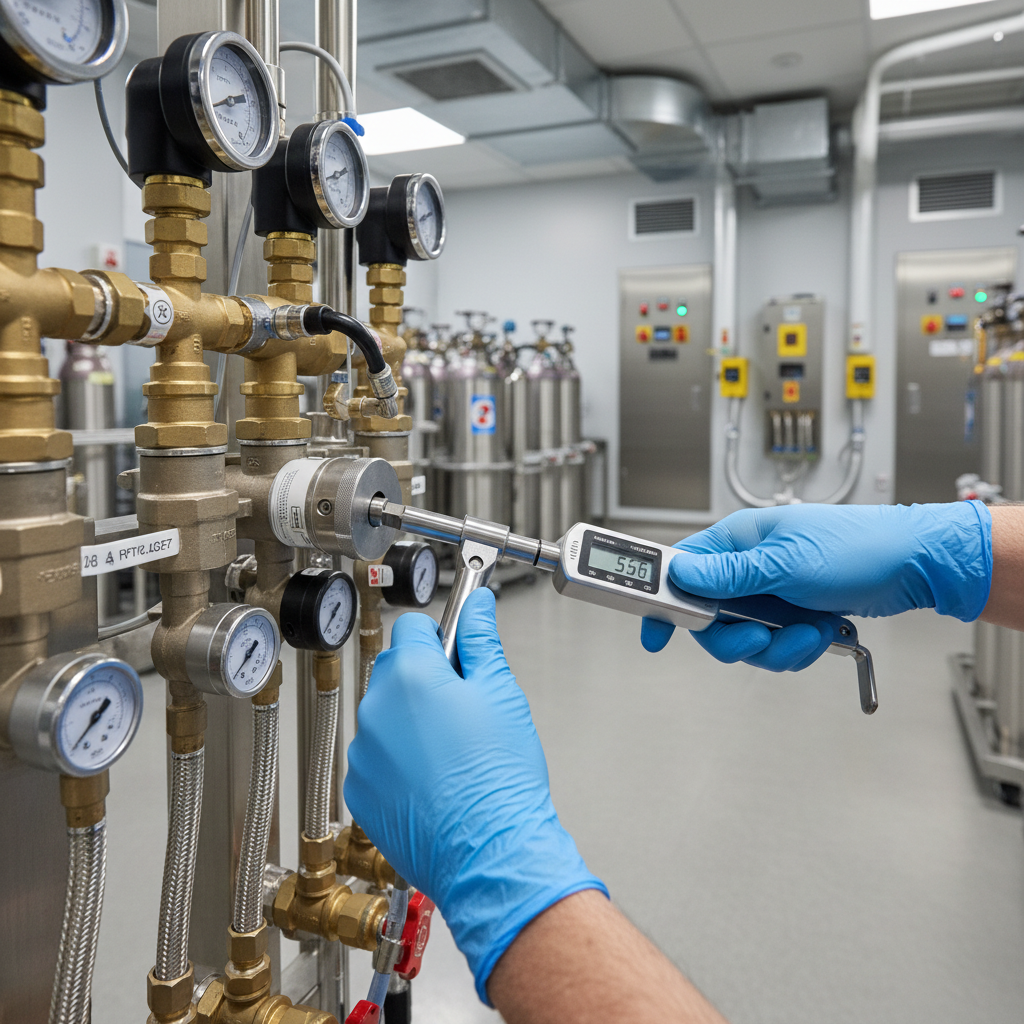
Medical gas maintenance is the scheduled, hands-on servicing of all components within a facility's medical gas distribution system. This is distinct from an annual inspection, which verifies the system's performance, or an emergency repair, which reacts to a failure. True maintenance is proactive, aiming to prevent failures before they happen.
Preventive vs. Corrective Maintenance
Preventive Maintenance (PM): This involves scheduled tasks like changing oil in a medical air compressor, calibrating pressure switches on a manifold, or testing alarm sensors. These actions are performed based on manufacturer recommendations and NFPA 99 guidelines to keep the equipment in optimal condition.
Corrective Maintenance: This is the work done to fix a component that has failed or is operating outside of its specified parameters. A well-structured PM program, like the ones Medical Testing Solutions provides, significantly reduces the need for costly and disruptive corrective maintenance.
Key Components Requiring Regular Service
According to NFPA 99, Health Care Facilities Code, a medical gas system is an intricate network. The most critical components that demand routine maintenance include:
Source Equipment: Medical air compressors, vacuum pumps, and oxygen generators.
Manifold Systems: Both high-pressure and cryogenic manifolds that ensure a continuous gas supply.
Alarm Systems: Master, area, and local alarms that warn staff of abnormal conditions.
Pipelines: While durable, they require checks for leaks and integrity.
Outlets and Inlets: The final point of delivery, which must be tested for proper function and flow.
Why Proactive Maintenance is Non-Negotiable
For facilities in Homestead, from surgical centers to large hospitals, deferring medical gas maintenance introduces unacceptable risks.
Ensuring Patient Safety
This is the paramount reason. A failed vacuum pump during a procedure, an oxygen system that doesn't deliver the correct pressure, or a contaminated medical air supply can have immediate and tragic consequences for patients who rely on these systems for life support.
Maintaining NFPA 99 and Joint Commission Compliance
Accrediting bodies like The Joint Commission (TJC), DNV, and the Centers for Medicare & Medicaid Services (CMS) have strict standards for utility system management, which are heavily based on NFPA 99. A lack of documented preventive maintenance is a common finding during surveys and can jeopardize a facility's accreditation and reimbursement. For more information on system checks, see our page on annual medical gas inspections.
Avoiding Costly Emergency Repairs and Downtime
An emergency shutdown of a medical gas system can force the cancellation of procedures, patient transfers, and enormous logistical and financial strain. The cost of an emergency repair, including rushed parts and overtime labor, far exceeds the planned expense of a preventive maintenance contract.
The Core of a Medical Gas Maintenance Program
A compliant maintenance program, as defined by NFPA 99 and ASSE 6000 series standards, is systematic and meticulously documented. All work must be performed by technicians credentialed to ASSE 6040 (Medical Gas Systems Maintenance Personnel).
Medical Air Compressor and Vacuum Pump Maintenance
These are the workhorses of the system. Maintenance typically includes:
Regular oil and filter changes.
Belt tensioning and replacement.
Motor and bearing lubrication.
Testing of shutdown and backup activation.
Manifold System Checks
The automatic changeover manifold is critical for an uninterrupted gas supply. Technicians will test the changeover function, verify set-pressures, and check for leaks in pigtails and regulators.
Alarm Panel Verification
A technician will simulate fault conditions to ensure every master and area alarm activates audibly and visibly at the correct pressure points. This confirms that staff would be properly notified in a real emergency.
NFPA 99 Maintenance Requirements: A Task Overview
NFPA 99-2024 provides a framework for maintenance tasks and their frequencies. While some checks are daily duties for facility staff, most require the expertise of an ASSE 6040 certified technician.
Maintenance Task
Typical Frequency
NFPA 99-2024 Reference (General)
Performed By
Check Source Equipment Oil Levels/Runtime
Daily/Weekly
5.1.10.1
Trained Facility Staff
Test Manifold Automatic Changeover
Per Risk Assessment/Mfr.
5.1.3.4.3.4
ASSE 6040 Technician
Calibrate Alarm Panel Sensors
Per Risk Assessment/Mfr.
5.1.9.2
ASSE 6040 Technician
Test Outlet/Inlet Flow & Check for Leaks
Annually
5.1.10.2
ASSE 6030 Technician
Full Source Equipment Service
Quarterly/Annually
Chapter 5 / Mfr. Specs
ASSE 6040 Technician
Why this matters for compliance: A documented preventive maintenance program is not optional. It is a core requirement audited by The Joint Commission, CMS, and other Authorities Having Jurisdiction (AHJs). Failure to provide detailed maintenance logs for each component is a direct violation of NFPA 99 and an easily citable deficiency that can impact your facility's standing.
Choosing a Certified Provider for Medical Gas Maintenance in Homestead, FL
Not just anyone is qualified to work on these life-support systems. When selecting a partner, credentials are key.
The Importance of ASSE 6040 Certification
NFPA 99 requires that maintenance be performed by qualified individuals. The industry standard for this qualification is the ASSE 6040 credential. This certification ensures a technician has the training, knowledge, and experience to work safely and effectively on medical gas systems. Always ask to see a provider's credentials. Medical Testing Solutions employs a team of ASSE certified professionals for all our medical gas maintenance services.
When evaluating a maintenance contract, look for a detailed scope of work, guaranteed response times, and a commitment to providing comprehensive digital documentation for your records.
Partner with the Experts at Medical Testing Solutions
For healthcare facilities in Homestead and across South Florida, Medical Testing Solutions offers comprehensive, turnkey preventive maintenance contracts. Our ASSE 6040 certified technicians ensure your medical gas systems are safe, compliant, and reliable.
Don't wait for a system failure to expose a weakness in your maintenance strategy. Proactive care is the best medicine for your facility's most critical life-support systems.
Ready to ensure your facility is compliant and safe? Contact our expert team today at +1 (754) 315-1078 or request a quote online for a no-obligation assessment of your medical gas maintenance needs.
Frequently Asked Questions
The frequency depends on the specific component, its age, and a facility's risk assessment. NFPA 99 and equipment manufacturers provide baseline schedules, ranging from daily checks by staff to semi-annual or annual servicing by a certified technician.
While facility staff can be trained for daily visual checks, all technical preventive maintenance and repairs must be performed by an individual qualified per ASSE 6000 series standards, which typically requires an ASSE 6040 credential.
Maintenance (ASSE 6040) is the hands-on work of servicing and repairing equipment. Inspection (ASSE 6030) is periodic testing to confirm the system is functioning as intended. Verification (ASSE 6010) is a full battery of tests performed on new installations or modifications before they are put into service.
Yes. Medical Testing Solutions is headquartered in Fort Lauderdale and proudly serves healthcare facilities, surgical centers, and dental offices throughout Florida.
The risks are severe: increased likelihood of life-threatening system failure, non-compliance with TJC and CMS standards, loss of accreditation, and higher long-term costs due to emergency repairs and operational downtime.
Request a quote for your facility
Talk with Medical Testing Solutions about your next inspection, repair or equipment request.