Medical Gas Maintenance Hialeah FL: A Guide to NFPA 99 Compliance
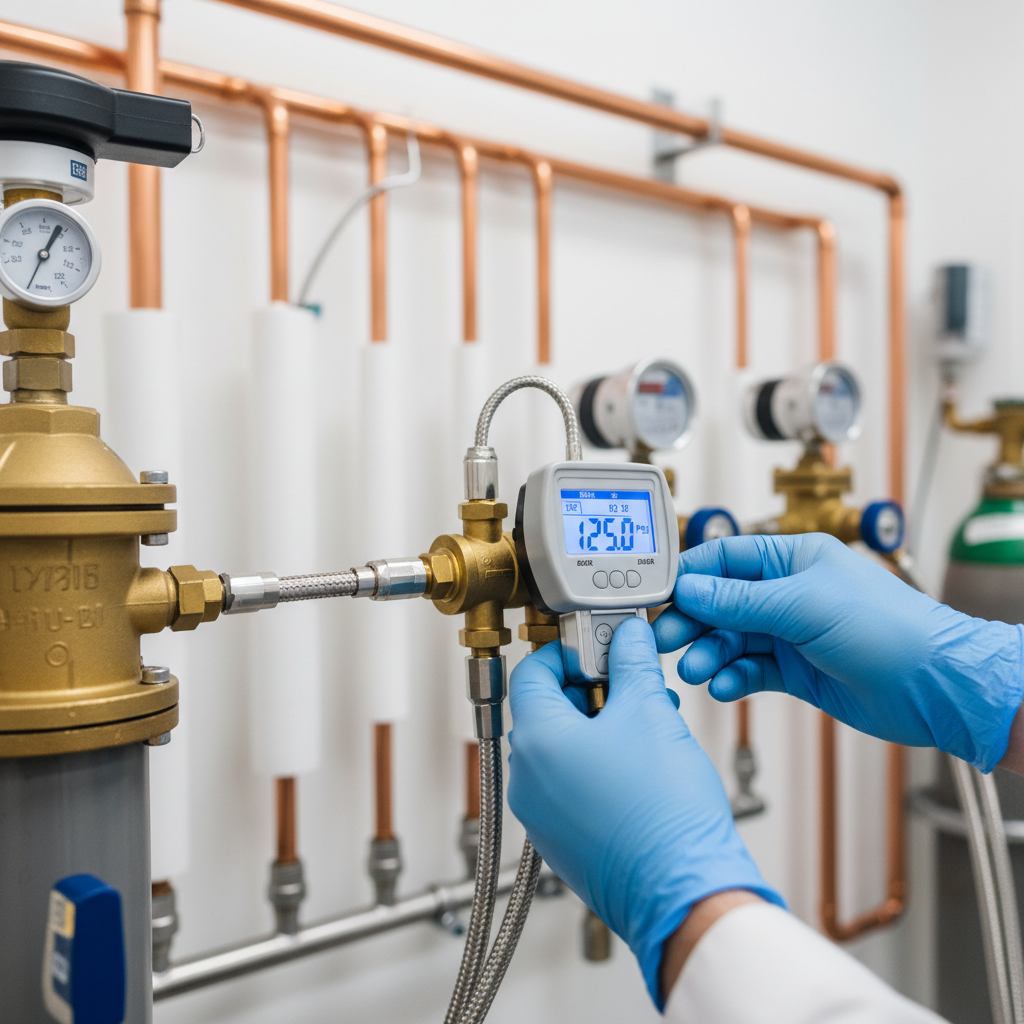
For any healthcare facility in Hialeah, from surgical centers to dental offices, a properly functioning medical gas system is not just a utility—it's a life-support system. Ensuring the uninterrupted flow of medical-grade oxygen, nitrous oxide, medical air, and carbon dioxide is critical for patient outcomes. This is where a robust medical gas maintenance program becomes essential. This guide provides a definitive overview of medical gas maintenance for Hialeah facilities, detailing NFPA 99 requirements, the components of a successful maintenance plan, and how to partner with certified professionals to ensure your system remains safe, efficient, and fully compliant. We will explore the critical upkeep of pumps, alarms, and manifolds, providing facility managers with the knowledge to protect their patients and their practice.
The Critical Role of Preventive Maintenance
Reactive maintenance—fixing something only after it breaks—is a high-risk gamble in a healthcare setting. A failure in the medical gas system can have catastrophic consequences, leading to procedural delays, compromised patient care, and significant liability. Preventive maintenance, on the other hand, is a proactive strategy focused on routine inspections, testing, and upkeep to prevent system failures before they occur. The benefits are clear: enhanced patient safety, reduced risk of costly emergency repairs, longer equipment lifespan, and unwavering compliance with regulatory bodies like The Joint Commission, DNV, and the State of Florida.
By engaging in a structured preventive medical gas maintenance program, Hialeah facilities can move from a reactive to a proactive stance, ensuring their life-support systems are always in a state of readiness.
Understanding NFPA 99 Maintenance Requirements
The National Fire Protection Association's NFPA 99, "Health Care Facilities Code," is the cornerstone of medical gas safety and compliance. It outlines the minimum requirements for the design, installation, testing, and maintenance of these critical systems. For facility managers in Hialeah, understanding these requirements is non-negotiable.
Qualified Maintenance Personnel: The ASSE 6040 Standard
NFPA 99 is explicit: only qualified individuals can maintain medical gas systems. The code recognizes ASSE 6040 certification ("Medical Gas Systems Maintenance Personnel") as a key credential for proving competency. An ASSE 6040 certified technician has demonstrated verifiable experience and passed a rigorous exam covering system maintenance procedures, safety protocols, and relevant sections of NFPA 99. When choosing a maintenance provider, confirming their technicians hold this certification is your first step in ensuring quality and compliance.
Why This Matters for Compliance: According to NFPA 99 (2024 ed.), Chapter 5.1.14, 'Inspection and Testing,' a robust preventive maintenance program is not optional—it is a mandatory requirement for healthcare facilities. Failure to document regular maintenance by qualified personnel can result in costly deficiencies, loss of accreditation, and unacceptable risks to patient safety.
Maintenance Schedules and Documentation
A key part of an NFPA-compliant program is adhering to a strict schedule of inspection and testing. While some checks are required daily or monthly, a thorough annual inspection is typically performed by a third-party specialist like Medical Testing Solutions. Documentation is just as important; every maintenance activity must be logged, dated, and signed by the qualified technician who performed it.
| Equipment | NFPA 99 Maintenance Guideline (Summary) | Typical Frequency |
|---|---|---|
| Source Equipment (Manifolds, Pumps, Compressors) | Check for leaks, proper pressure, and function. Test automatic switchover on manifolds. Verify oil levels and air quality for compressors. | Varies (Quarterly/Semi-Annually) |
| Master & Area Alarms | Test all alarm panels by simulating failure conditions for each source and pressure point. Verify visual and audible signals. | Annually |
| Zone Valves | Ensure valves are accessible, operate smoothly, and are properly labeled. Check that they do not leak when closed. | Annually |
| Station Outlets/Inlets | Test for flow, pressure, and gas specificity. Check for leaks and physical damage. | As part of annual medical gas inspections |
Core Components of a Hialeah Medical Gas Maintenance Program
A comprehensive maintenance plan goes beyond a simple checklist. It involves a deep-dive into the core components of your system, ensuring each is functioning at peak performance.
Medical Air Compressors and Vacuum Pumps
The heart of your piped medical air and vacuum system, these powerful machines require consistent attention. Maintenance activities include:
- Regular oil level and quality checks (for lubricated systems).
- Filter changes to ensure air purity and prevent downstream contamination.
- Belt tension and wear inspection.
- Monitoring for unusual noise, vibration, or heat, which can indicate an impending mechanical failure.
- Carbon monoxide (CO) monitoring for medical air compressors to ensure compliance with air quality standards.
Manifold Systems
Manifolds ensure a continuous supply of gas by automatically switching from a primary to a secondary bank of cylinders. Maintenance focuses on:
- Testing the automatic switchover function to guarantee a seamless transition.
- Verifying the accuracy of high and low-pressure alarms.
- Conducting meticulous leak checks on all high-pressure piping and connections.
- Inspecting regulator performance to ensure stable delivery pressure.
Alarm Panels
Master, area, and local alarm panels are your eyes and ears. They provide immediate warnings of system issues. Maintenance ensures that:
- Every alarm signal functions correctly, both audibly and visually.
- Pressure and vacuum sensors are accurately calibrated.
- Communication with the source equipment is uninterrupted.
At Medical Testing Solutions, we use specialized equipment to simulate fault conditions, methodically verifying that every alarm condition reports accurately, a critical step in our comprehensive testing process.
Choosing the Right Maintenance Partner in Hialeah, FL
Selecting a medical gas service company is a decision that directly impacts patient safety. Not all providers are created equal. When evaluating a potential partner for your Hialeah facility, look for:
- ASSE 6040 Certified Technicians: This is the most important qualification. Ask for credentials.
- Robust Insurance and Liability Coverage: Ensure they carry adequate insurance for work in a healthcare environment.
- Detailed, Compliant Reporting: Reports should be clear, comprehensive, and provide the documentation needed to prove compliance to an outside auditor.
- Experience and Reputation: Look for a company with a long track record of serving healthcare facilities in South Florida.
- Full-Service Capabilities: A partner who can also assist with medical gas verification for new projects or system modifications is invaluable. While maintenance (ASSE 6040) focuses on existing systems, verification (ASSE 6030) is required after any new construction or system breach, performed by technicians with a different, specialized certification.
Medical Testing Solutions is a premier provider of ASSE-certified services, from initial medical gas installation to ongoing maintenance and certification, serving the Hialeah community and beyond.
Take Control of Your Medical Gas System
Proactive medical gas maintenance is an investment in safety, compliance, and operational stability. For healthcare facilities in Hialeah, FL, partnering with a certified and experienced provider is the only way to ensure the integrity of these life-sustaining systems.
Don't wait for an alarm to sound or a surveyor to find a deficiency. Take the proactive step to ensure your medical gas systems are expertly maintained. Contact Medical Testing Solutions today at +1 (754) 315-1078 or request a quote online to schedule a comprehensive evaluation of your facility's maintenance needs.
Frequently Asked Questions (FAQs)
Q: How often is medical gas maintenance required in Florida?A: While specific component schedules vary, NFPA 99 mandates a comprehensive inspection and testing protocol that is typically performed annually by a certified third-party vendor to ensure system-wide compliance.
Q: Can our in-house facilities staff perform maintenance?A: Only if they hold the proper ASSE 6040 certification. Due to the complexity, liability, and specialized equipment involved, most Hialeah healthcare facilities choose to outsource this critical task to a dedicated medical gas service company.
Q: What is the difference between maintenance and inspection?A: Inspection involves observing and verifying that equipment is functioning correctly according to code (e.g., testing alarms, checking pressures). Maintenance is the hands-on work of repairing, replacing, and adjusting components to keep the system in optimal working order (e.g., changing filters, repairing a leak).
Q: How much does a medical gas maintenance contract cost?A: The cost depends on the size of your facility, the number of outlets, and the type of source equipment. The most accurate way to determine cost is to get a customized quote from a certified provider who can assess your specific system.
'''
This article is provided for educational purposes and reflects industry standards as of publication. Always verify against current NFPA 99, CGA, and AHJ requirements. Medical Testing Solutions is ASSE-certified and ready to help — contact us for facility-specific guidance.
Need Medical Gas Services?
Contact our certified team for inspections, verifications, installations, and more.
Get a Free Quote