Healthcare facilities in Doral, Florida, from surgical centers to hospitals, rely on a constant, uninterrupted supply of medical gases. Oxygen, medical air, and vacuum systems are not amenities; they are life-sustaining utilities critical to patient care. Ensuring these systems operate flawlessly requires a rigorous, standards-compliant maintenance program. A system failure can have catastrophic results, making proactive upkeep a non-negotiable responsibility. This definitive guide will walk you through the essential components of a medical gas maintenance plan that aligns with NFPA 99 and ASSE 6000 series standards. You will learn about the required maintenance for key equipment like pumps, alarms, and manifolds, and understand how to build a preventive maintenance schedule that ensures safety, compliance, and peace of mind for your Doral facility.
Medical Gas Maintenance Doral FL: A Guide to NFPA 99 Compliance
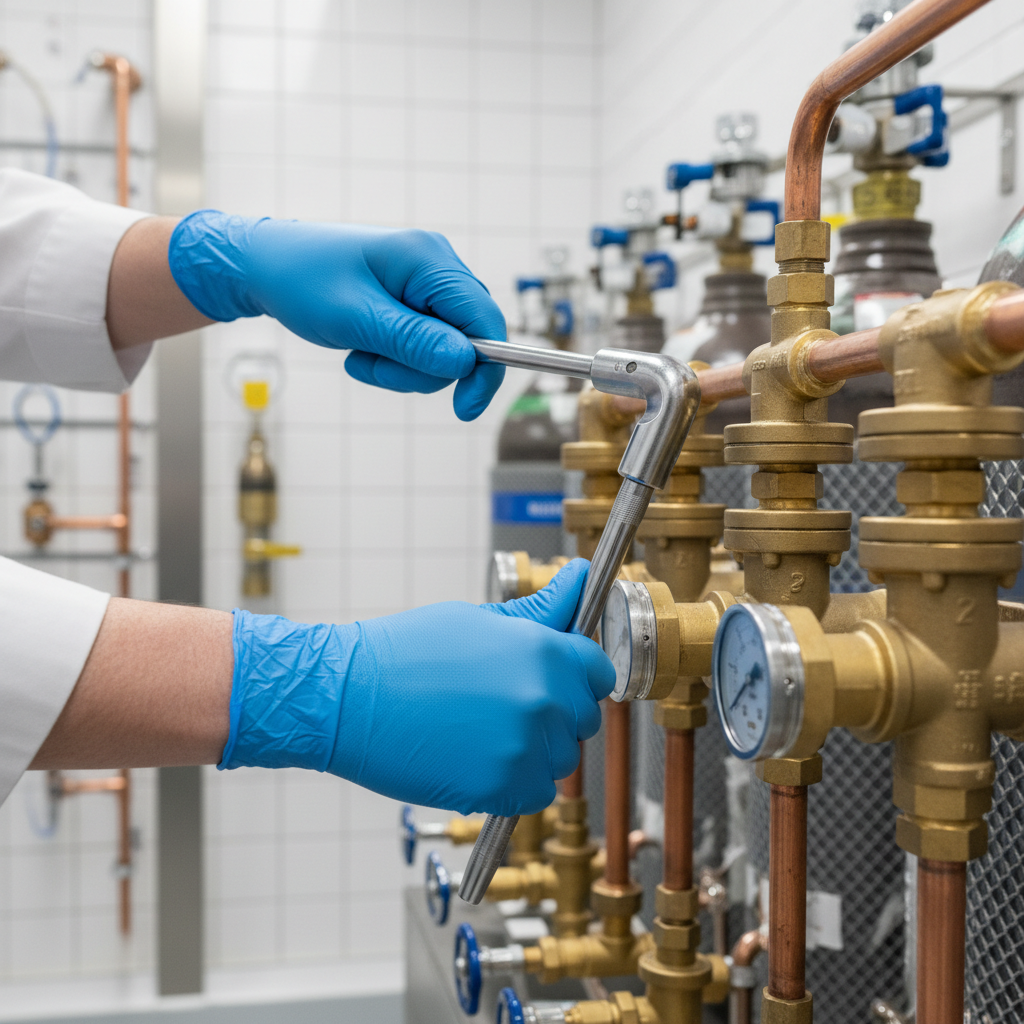
The Critical Role of Medical Gas Systems in Healthcare
Medical gas systems are the circulatory system of a healthcare facility. They deliver vital gases for patient respiration, power surgical tools, and remove waste anesthetic gases. A failure in the vacuum pump, a leak in an oxygen line, or a malfunctioning alarm can compromise patient outcomes and bring procedures to a halt. The National Fire Protection Association (NFPA) develops the standards that govern these systems, with NFPA 99, the Health Care Facilities Code, serving as the primary document referenced by regulatory bodies like The Joint Commission and the Agency for Health Care Administration (AHCA) in Florida. Consistent, expert maintenance is the only way to guarantee the reliability and safety these standards demand.
Understanding Medical Gas Maintenance Requirements in Florida
Compliance isn't just about having the right equipment; it's about maintaining it correctly. Facilities in Doral must adhere to a framework of codes and standards that dictate maintenance frequency, procedures, and personnel qualifications.
NFPA 99: The Foundation of Safety
NFPA 99 is the cornerstone of medical gas safety. Chapter 5, "Gas and Vacuum Systems," outlines the explicit requirements for the maintenance, inspection, and testing of this equipment. The code mandates that all healthcare facilities implement a documented maintenance program. This program must include procedures for inspecting and testing all central supply systems, pipelines, and alarm systems to ensure their continued proper operation. The standard makes it clear that maintenance must be performed by individuals who are qualified and certified.
ASSE 6000 Series: Certifying the Technician
The American Society of Sanitary Engineering (ASSE) 6000 series provides the national standard for qualifying the professionals who work on these critical systems. For maintenance, the key certification is ASSE 6040 Medical Gas Maintenance Personnel. A technician holding this certification has undergone extensive training and passed a rigorous exam, proving their expertise in maintaining medical gas systems according to NFPA 99. When you hire a maintenance provider, ensuring their technicians are ASSE 6040 certified is your first line of defense against improper service. Medical Testing Solutions proudly employs a team of ASSE 6000 certified professionals to handle all aspects of medical gas service, from installation to verification and maintenance.
Why this matters for compliance: Failure to maintain medical gas systems according to NFPA 99 can result in citations from regulatory bodies, jeopardizing your facility's accreditation and, more importantly, patient safety. A documented preventive maintenance program performed by ASSE 6040 certified personnel is your proof of due diligence.
Core Components of a Medical Gas Maintenance Plan
A comprehensive maintenance plan addresses every component of your medical gas system. While a certified technician should perform the detailed work, facility managers should be aware of what this entails for the three primary system categories.
Medical Air Compressors & Vacuum Pumps
These are the heart of your piped medical air and vacuum systems. Their mechanical nature requires consistent attention.
- Regular Checks: Oil levels (for lubricated systems), unusual noises or vibrations, and overheating.
- Filter Maintenance: Inlet filters, coalescing filters, and final line filters must be changed on a regular schedule to prevent contamination and ensure air quality.
- Belt Tension: Belts on belt-driven pumps must be checked for proper tension and signs of wear.
- Sensor Calibration: Dew point monitors, carbon monoxide monitors, and other sensors must be calibrated to ensure they are providing accurate readings.
Manifold Systems
Manifolds are the control centers for your high-pressure gas cylinders (e.g., oxygen, nitrous oxide). They ensure a continuous gas supply by automatically switching from the primary to the secondary bank of cylinders.
- Pressure Readings: Regularly check that regulator pressures are set according to system design.
- Leak Detection: Perform periodic leak tests on all fittings and connections.
- Automatic Changeover Test: The automatic changeover function must be tested to ensure a seamless transition between cylinder banks, preventing a drop in gas pressure to the facility.
- Regulator Integrity: Check for regulator creep and ensure proper lock-up.
Master and Area Alarms
Alarms are your first warning of a problem. They must be tested to ensure they function as intended.
- Signal Verification: Test both visual and audible alarm signals for every monitored condition (e.g., high pressure, low pressure, changeover).
- Setpoint Verification: Ensure the alarm triggers at the correct pressure or vacuum setpoints as defined by NFPA 99.
- Communication Links: Verify that the alarm panels are communicating correctly with the central facility monitoring system.
Preventive vs. Reactive Maintenance: A Cost-Benefit Analysis
Waiting for a component to fail is a costly and dangerous strategy. A scheduled, preventive maintenance program is always superior. This is not just an opinion; it's a fact borne out by operational data. Preventive maintenance, as part of a robust medical gas maintenance program, helps facilities in Doral avoid unexpected emergencies.
| Feature | Preventive Maintenance (Scheduled) | Reactive Maintenance (Break-Fix) |
|---|---|---|
| Cost | Predictable, budgeted operational expense. | High, unpredictable emergency repair costs. Potentially 3-5x higher. |
| Downtime | Scheduled during off-hours, minimal disruption. | Unplanned, catastrophic shutdown of patient care areas. |
| Patient Safety | Highest level of protection. | Significant risk to patients if a life-support gas is interrupted. |
| Compliance Risk | Low. Demonstrates due diligence to regulators. | High. A system failure is a clear indicator of a deficient maintenance program. |
| Equipment Lifespan | Maximized. Issues are caught and fixed early. | Shortened. Equipment runs to failure, causing secondary damage. |
Building Your Preventive Maintenance Schedule
An effective maintenance plan involves both daily observations by facility staff and detailed periodic inspections by certified professionals. Medical Testing Solutions works with Doral-area facilities to create custom maintenance schedules.
Daily/Weekly Checks (Facility Staff):
- Visually inspect pressure gauges on mainfolds and alarm panels.
- Check liquid levels on bulk oxygen tanks.
- Listen for unusual noises from pump/compressor rooms.
- Confirm all alarm panels indicate "Normal."
Quarterly Checks (Certified Technician):
- Detailed inspection of pumps and compressors.
- Change oil and filters as needed.
- Test alarm functions.
- Calibrate pressure sensors.
Annual Inspections (Certified Technician):
- A full system-wide review.
- Comprehensive testing of all source equipment, manifolds, and alarms against NFPA 99 standards.
- Full documentation for compliance records.
- Many facilities bundle this into their service contract for annual medical gas inspections.
Choosing a Medical Gas Maintenance Partner in Doral, FL
Choosing a service partner is a critical decision. Look for a company with a strong local presence, a deep understanding of Florida's regulatory environment, and unimpeachable credentials. Key factors include:
- ASSE 6040 Certification: Non-negotiable. Ask to see the credentials of the technicians who will be on your site.
- Comprehensive Services: A partner who can handle maintenance, as well as medical gas verification (ASSE 6030) and medical gas installation (ASSE 6010), provides greater value and continuity of care for your systems. Medical Testing Solutions provides this full spectrum of services.
- Documentation: The provider must supply detailed service reports and documentation suitable for a Joint Commission or AHCA audit.
Partner with the Experts for Your Doral Facility
Your medical gas systems are too important to leave to chance. Proactive, expert maintenance is an investment in patient safety, operational stability, and regulatory compliance. The team at Medical Testing Solutions has the certified expertise and local presence in South Florida to provide the highest level of service for your Doral healthcare facility. We are headquartered in Fort Lauderdale and are ready to be your trusted partner.
Ready to ensure your Doral facility is compliant and safe? Request a quote or call us directly at +1 (754) 315-1078 to speak with a medical gas system specialist today. '''
Frequently Asked Questions
Request a quote for your facility
Talk with Medical Testing Solutions about your next inspection, repair or equipment request.