For any healthcare facility in Daytona Beach, from sprawling hospitals to specialized surgical centers, the medical gas system is a life-sustaining utility. It's the silent, invisible backbone that delivers oxygen, medical air, nitrous oxide, and other vital gases directly to the patient. But like any complex mechanical system, it demands regular, expert attention to ensure it operates safely, efficiently, and in full compliance with national standards. This guide provides a definitive overview of medical gas maintenance, outlining the requirements of NFPA 99, the benefits of a preventative maintenance contract, and how to choose a qualified service partner in the Daytona Beach, FL area.
Medical Gas Service
Compliance & Standards
A Facility Manager's Guide to Medical Gas Maintenance in Daytona Beach, FL
Medical Testing SolutionsJune 24, 20267 min read
What is Medical Gas System Maintenance? (And Why It's Non-Negotiable)
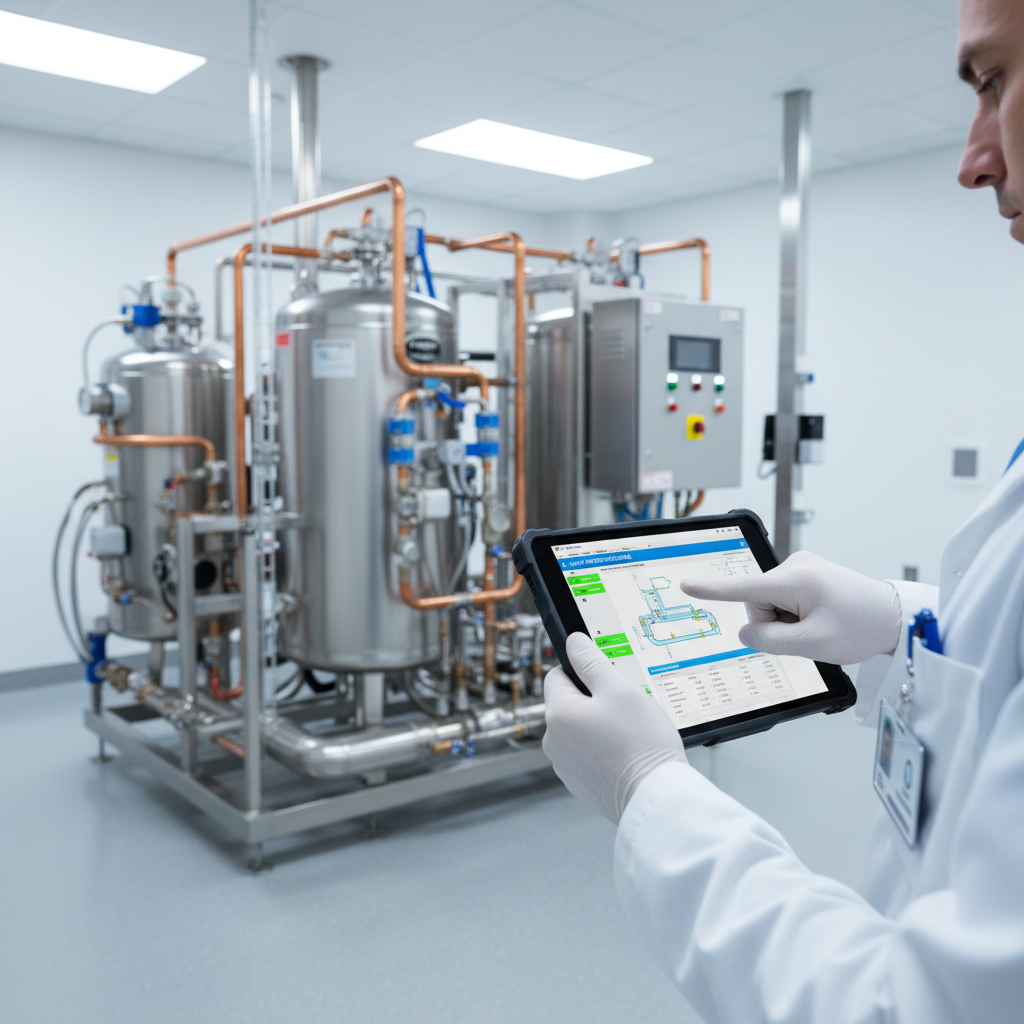
Medical gas maintenance is the systematic, scheduled inspection, testing, and servicing of all components within a facility's medical gas infrastructure. This is not simply a matter of fixing something when it breaks; it's a proactive, preventative strategy designed to ensure unimpeachable reliability and safety. The scope of a proper maintenance program extends far beyond the wall outlets in a patient's room.
From Source Equipment to Patient Terminals
A comprehensive maintenance plan covers the entire system, including:
- Source Equipment: Medical air compressors, vacuum pumps, and oxygen bulk tanks.
- Manifolds: Both primary and secondary manifolds that regulate gas pressure and facilitate cylinder changes.
- Piping: The network of specialized copper piping that transports the gases.
- Alarms: Master alarms, area alarms, and local alarms that monitor system status and warn of potential issues.
- Zone Valves: Control valves that can isolate specific areas of the facility in an emergency.
- Outlets and Inlets: The terminal units in patient rooms, operating suites, and other critical care areas.
Neglecting any part of this chain can compromise the entire system, leading to potentially catastrophic failures.
The High Cost of Neglect: Patient Safety and Regulatory Fines
The consequences of a poorly maintained medical gas system are severe. For patients, an interruption or contamination of medical gas can be catastrophic. For the facility, the repercussions include crippling regulatory fines from agencies like The Joint Commission (TJC) or the Centers for Medicare & Medicaid Services (CMS), extensive operational downtime, and damage to the institution's reputation. Preventative maintenance is an investment in patient safety and operational continuity.
NFPA 99 and ASSE 6000: The Rulebooks for Medical Gas Safety
In the United States, the primary standard governing medical gas systems is the National Fire Protection Association's NFPA 99, Health Care Facilities Code. This code is not a set of suggestions; it is the law in most jurisdictions and the standard by which accrediting organizations will judge your facility.
Key NFPA 99 Requirements for Maintenance
Chapter 5 of NFPA 99 details the operational, inspection, testing, and maintenance requirements for medical gas and vacuum systems. While a complete risk assessment should dictate the specifics, NFPA 99 outlines a baseline of required activities. For instance, it mandates periodic testing of alarms and routine inspection of source equipment. A robust maintenance plan is not just good practice, it's a core component of your facility's compliance strategy. Regular, expert service ensures you are always prepared for a Joint Commission survey.
Why this matters for compliance: Accrediting organizations like TJC don't just look for a maintenance plan; they demand proof of its execution. Detailed, accurate, and readily accessible records from a qualified service provider, like Medical Testing Solutions, are your first line of defense during a compliance survey. Proper documentation demonstrates a commitment to the ongoing safety and reliability of your medical gas systems.
The Role of ASSE 6040 Certified Technicians
NFPA 99 (5.1.14.2) explicitly requires that medical gas systems be maintained by "qualified" individuals. The industry standard for this qualification is the ASSE/IAPMO/ANSI 6040 certification for Medical Gas Systems Maintenance Personnel. An ASSE 6040 certified technician has demonstrated their expertise in and knowledge of the specific procedures, codes, and equipment necessary to maintain these complex systems safely. Hiring a provider who employs ASSE 6040 certified technicians is the only way to ensure your facility's systems are being serviced correctly and compliantly.
Core Components of a Medical Gas Maintenance Program
A tailored maintenance contract addresses the unique needs and equipment of your Daytona Beach facility. The frequency and type of service are determined by a risk assessment as required by NFPA 99, equipment manufacturer recommendations, and the system's age and usage. Below is a table outlining common maintenance activities and their typical frequencies.
| Component | Key Maintenance Actions | Typical Frequency (per NFPA 99/Mfg.) |
|---|---|---|
| Source Equipment (Pumps/Compressors) | Inspect/change oil & filters, check belts, test alarms, verify performance | Quarterly to Semi-Annually |
| Manifolds (Primary & Secondary) | Perform leak checks, test automatic switchover function, verify pressure readings | Monthly to Quarterly |
| Alarm Systems (Master, Area, Local) | Test all alarm signals, verify sensor accuracy, confirm proper annunciation | Semi-Annually to Annually |
| Zone Valve Boxes | Verify accessibility and correct labeling, operate valve to ensure function | Annually (as part of an inspection) |
| Outlets, Inlets, and Terminals | Test for flow, pressure, and leakage; verify latching and identification | Per facility risk assessment |
This proactive schedule is a cornerstone of a facility's safety program, similar to performing annual medical gas inspections to get a complete picture of system health.
Benefits of a Preventive Maintenance Contract for Daytona Beach Facilities
Partnering with a qualified service provider for a preventive maintenance contract offers substantial advantages over a reactive, break-fix approach.
- Ensuring Uninterrupted Patient Care: Regular maintenance minimizes the risk of unexpected shutdowns that could postpone surgeries or compromise patient care.
- Predictable Budgeting: A service contract provides a fixed, predictable operational expense, protecting your budget from the high costs of emergency repairs and equipment replacement.
- Extended Equipment Lifespan: Just like a car, well-maintained medical gas equipment lasts longer and performs more reliably, maximizing your capital investment.
- Compliance & Peace of Mind: A contract ensures that all required maintenance and documentation are handled expertly and on schedule, leaving you confident and prepared for regulatory audits.
- Access to On-Call Expertise: When you have a contract with a firm like Medical Testing Solutions, you have a direct line to ASSE-certified professionals for troubleshooting and emergency support.
Choosing Your Daytona Beach Medical Gas Maintenance Partner
When selecting a company to entrust with your life-support systems, credentials and experience are paramount.
Must-Have Credentials: ASSE 6040 Certification
This is the most critical factor. Ask any potential provider to show proof of ASSE 6040 certification for the technicians who will be servicing your facility. Without this, you cannot be certain they are qualified to work on your systems according to NFPA 99.
Comprehensive Service Offerings
A truly valuable partner offers a full spectrum of services. At Medical Testing Solutions, our expertise extends beyond routine maintenance. We provide expert medical gas verification (ASSE 6030) for new construction and renovations, ensuring your systems are safe and compliant from day one. Our team also includes ASSE 6010 certified professionals for system modifications and new medical gas installation projects. This holistic capability means we understand your systems from installation to daily operation.
Local Presence and Responsiveness
While expertise is crucial, having a maintenance partner with a strong presence in Florida ensures rapid response when you need it most. Our Fort Lauderdale headquarters allows our team to efficiently serve Daytona Beach and the surrounding Volusia County area, providing both scheduled maintenance and timely emergency support.
Trust Your Medical Gas Systems to the Experts in Daytona Beach
Your medical gas infrastructure is too critical to leave to chance. A proactive, compliant maintenance program managed by ASSE-certified professionals is the only way to ensure patient safety, maintain regulatory compliance, and protect your facility's operations. Medical Testing Solutions has the expertise, credentials, and local presence to be your trusted partner for all medical gas needs in Daytona Beach, FL.
Don't wait for an emergency or a failed inspection. Contact our team of specialists today to get a comprehensive assessment and a quote for a preventative maintenance plan tailored to your facility.
Call us today at +1 (754) 315-1078 or request a quote online. '''
Frequently Asked Questions
The frequency depends on the specific equipment, its age, usage, and your facility's risk assessment, all guided by NFPA 99 standards. A typical contract involves quarterly or semi-annual visits, supplemented by ongoing monitoring.
Maintenance is the ongoing, hands-on work to keep systems running (e.g., changing oil in a pump). Inspection is a periodic check to ensure the system meets code requirements. Medical gas certification (or verification) is the final, rigorous testing of a new or modified system before it is put into service.
According to NFPA 99, only qualified individuals. The industry standard for this qualification is the ASSE 6040 certification. Always insist on seeing credentials.
You will receive a report detailing the deficiencies and will typically be given a timeframe to correct them. A good maintenance partner can help you remediate any findings quickly and compliantly.
Yes. As a comprehensive service provider, Medical Testing Solutions offers emergency repair services to our contract clients to minimize downtime and ensure patient safety.
Yes. We are a full-service medical gas company providing annual inspections, equipment sales, verification (certification), installation, and comprehensive medical gas maintenance services.
Request a quote for your facility
Talk with Medical Testing Solutions about your next inspection, repair or equipment request.