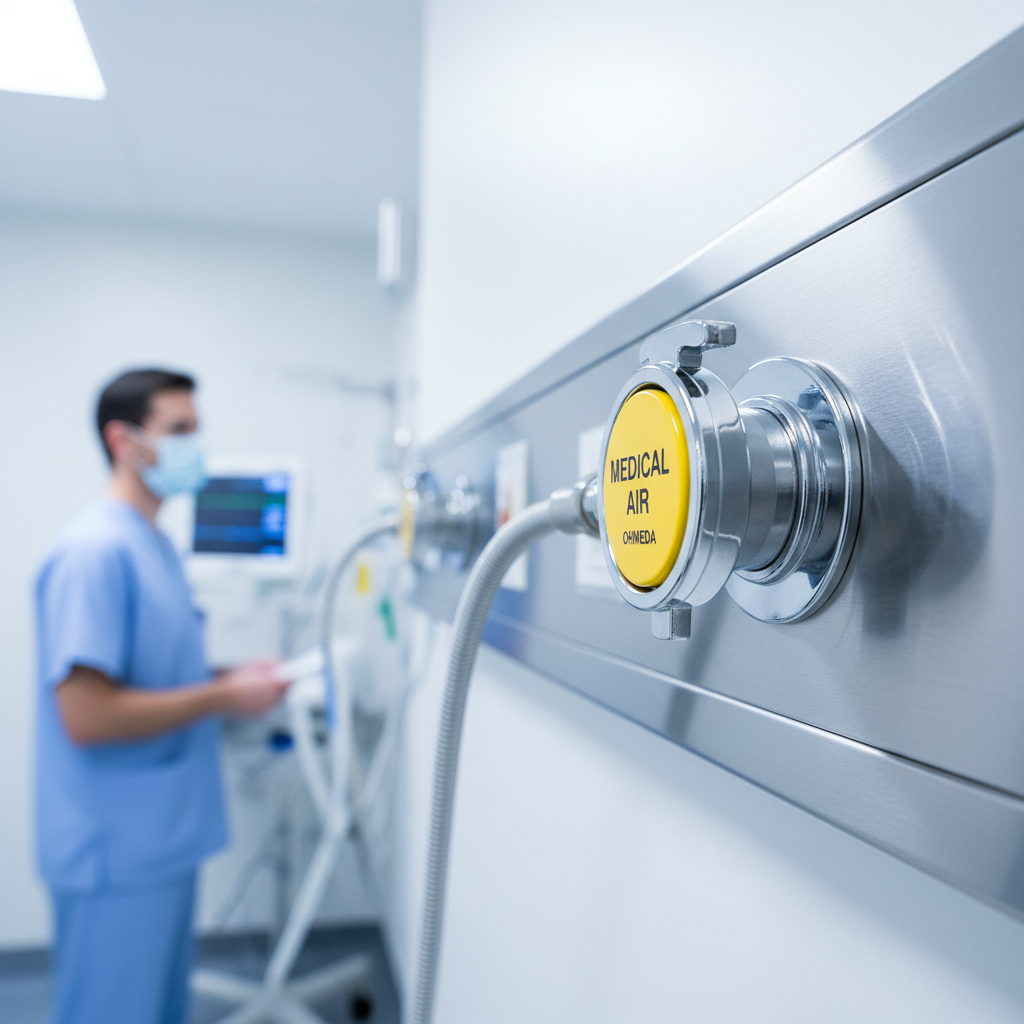
Understanding Medical Air Systems and NFPA 99
Medical air is a critical life-support utility in healthcare facilities, directly administered to patients for respiration. Unlike ambient air, it must be meticulously controlled for purity, dryness, and the absence of contaminants. The primary standard governing its quality is the National Fire Protection Association's NFPA 99, Health Care Facilities Code. This code establishes the minimum criteria for the installation, performance, and maintenance of medical gas systems to ensure the safety of patients, staff, and visitors.
For facilities in Wellington, Florida, understanding and adhering to these standards isn't just a matter of best practice, it's a legal requirement. This guide will walk you through the essential components of medical air system testing as mandated by NFPA 99, explaining what each test entails, why it's necessary, and how to ensure your facility remains compliant and, most importantly, safe.
The Core Components of Medical Air Quality Testing
NFPA 99 (specifically, section 5.1.3.5) outlines stringent purity and quality requirements for medical air. Testing must be performed by an ASSE 6030 certified technician, like the team at Medical Testing Solutions, to validate the system. The primary tests focus on identifying and quantifying specific contaminants that can pose a significant risk to patients.
1. Dew Point Testing (Moisture Content)
What it is: Dew point measures the temperature at which water vapor in the medical air pipeline begins to condense into liquid water. For medical air, the requirement is a pressure dew point of 35°F (1.7°C) or lower at 50 psi. This ensures the air remains exceptionally dry.
Why it matters: Excessive moisture in a medical air system can have devastating consequences:
- Bacterial Growth: Moisture creates a breeding ground for bacteria like Pseudomonas aeruginosa, which can cause severe respiratory infections in vulnerable patients.
- Equipment Damage: Water can corrode pipes and damage sensitive medical equipment, such as ventilators and anesthesia machines, leading to costly repairs and potential patient harm.
- Freezing: In colder sections of the system, moisture can freeze, causing blockages and system failure.
A certified annual medical gas inspection is the first line of defense in monitoring system dew point and overall health.
Why this matters for compliance: NFPA 99, Chapter 5, mandates specific dew point levels. Failure to meet this standard during an inspection by regulatory bodies like The Joint Commission (TJC) or DNV can result in citations and require immediate corrective action.
2. Carbon Monoxide (CO) Testing
What it is: This test quantifies the concentration of carbon monoxide, a toxic gas, in the medical air supply. The NFPA 99 limit for CO is extremely low, at just 10 parts per million (ppm).
Why it matters: CO is produced by the incomplete combustion of carbon-containing fuels. A common source of contamination is the medical air compressor's intake being located too close to a facility's loading dock, parking garage, or generator exhaust. When inhaled, CO displaces oxygen in the blood, leading to oxygen deprivation, which is especially dangerous for already compromised patients.
3. Volatile Organic Compound (VOC) Testing
What it is: This test screens for a broad range of gaseous hydrocarbons, often referred to as Volatile Organic Compounds (VOCs). NFPA 99 sets the limit for total gaseous hydrocarbons (as methane) at 25 ppm.
Why it matters: VOCs can be introduced into the system if the air compressor intake is near sources like roofing projects, asphalt paving, or exhaust fumes. Inhaling these compounds can cause respiratory irritation and other adverse health effects. Regular system checks and proper medical gas maintenance services help ensure compressor intakes are correctly located and filters are functioning.
4. Particulate Testing
What it is: Particulate testing measures the size and quantity of solid particles within the medical air stream. The goal is to ensure the air is free from dust, debris, and other microscopic contaminants that could be introduced during installation or maintenance.
Why it matters: Inhaling solid particulates can cause significant lung damage and inflammation. A properly installed and maintained system with multi-stage filtration is designed to remove these particles. This testing is a crucial part of the medical gas verification process, which is performed by an ASSE 6030 certified verifier after any new installation or modification to the system.
The Medical Air System Testing Process
While every facility is unique, the process for testing medical air in a Wellington hospital or clinic generally follows these steps:
- Initial Consultation: An ASSE 6030 certified technician from a company like Medical Testing Solutions will consult with the facility manager to understand the system's layout, age, and maintenance history.
- Point-of-Use Assessment: The technician identifies the most distant and critical points of use in the system to draw samples, as this is where contaminants are most likely to be detected.
- Sample Collection: Using a specialized test kit with calibrated sensors and detectors, the technician carefully draws air samples directly from the system outlets.
- On-Site Analysis: The levels of dew point, CO, VOCs, and other gases are measured and analyzed in real-time.
- Documentation and Reporting: A comprehensive report is generated, detailing the findings for each test. This report serves as official documentation for regulatory compliance and should be kept on file.
- Remediation (if necessary): If any test fails, the technician will provide recommendations for remediation, which could involve inspecting the compressor, replacing filters, or repairing pipeline components.