Skip to content
    New: Medical Gas Outlet Retrofit & Rebuild Matrix — cross-reference legacy Chemetron, Ohio Diamond, Puritan-Bennett & more →
    ASSE Certified 24/7
    Medical Gas Service
    Compliance & Standards

    Medical Air System Testing in Vero Beach FL: A Guide

    Medical Testing SolutionsSeptember 16, 20266 min read
    Share
    Medical Air System Testing in Vero Beach FL: A Guide

    Medical Air System Testing in Vero Beach, FL: Your Guide to NFPA 99 Compliance

    Patient safety in any healthcare facility, from a sprawling hospital to a local dental office, hinges on the purity of the medical gases delivered at the bedside. At the heart of this system is medical air, used for everything from respiratory therapy to powering surgical tools. But how do you know if the air coursing through your pipes is safe? The answer lies in rigorous, regular testing as mandated by NFPA 99. This guide will walk you through the essentials of medical air system testing, specifically for facilities in the Vero Beach, FL area, explaining what we test for, why it matters, and how to ensure your system is always compliant and safe.

    What is Medical Air and Why Does It Need Testing?

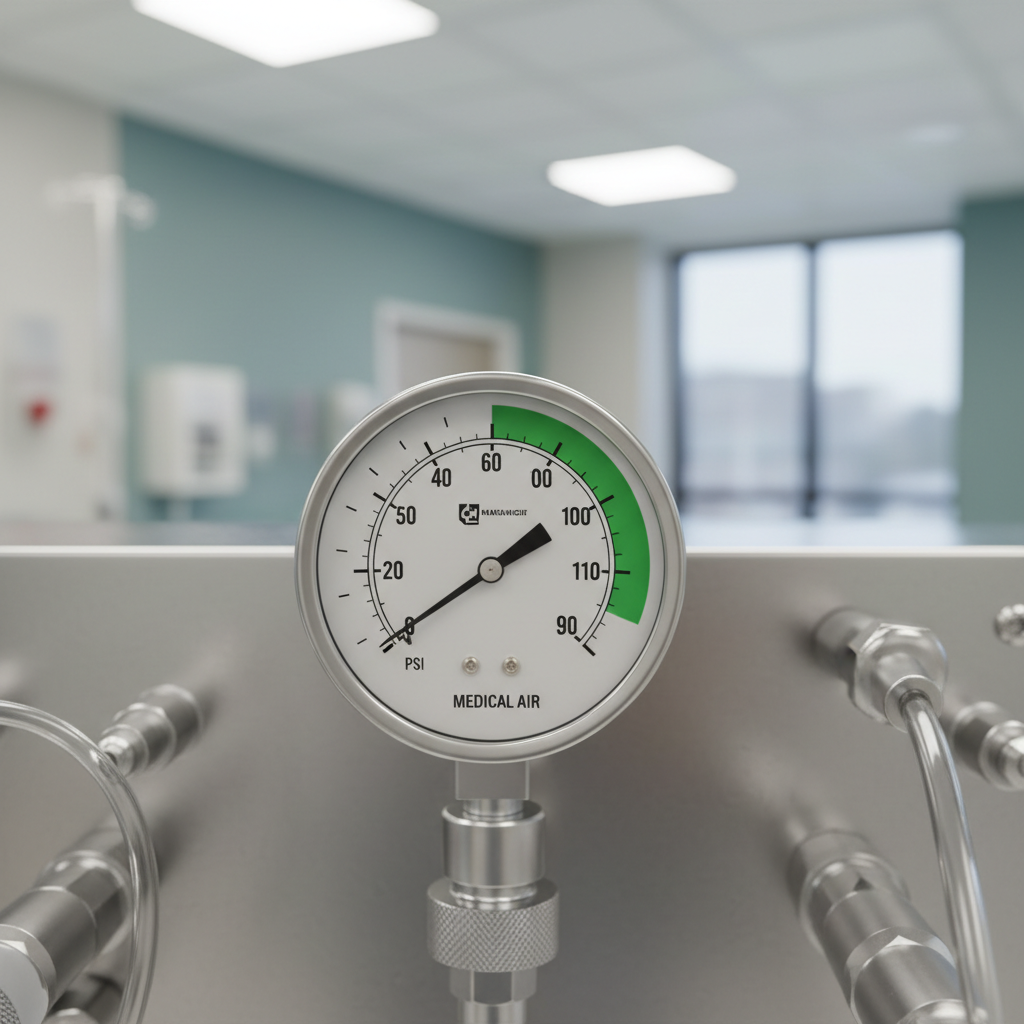
    Medical air is not simply compressed ambient air. It's a specialized medical gas, produced on-site by a dedicated compressor and filtration system, designed to be free of contaminants, particles, and oils. The National Fire Protection Association (NFPA) Standard 99, Health Care Facilities Code, sets the stringent requirements for the purity and quality of this essential gas.

    Regular testing ensures that the medical air system is functioning correctly and delivering air that is safe for patient administration. A failure in the system can introduce contaminants, leading to dire patient outcomes and significant liability for the facility. For facilities in Vero Beach and across Indian River County, partnering with a certified provider like Medical Testing Solutions is the key to maintaining these critical systems.

    Key Contaminants We Test For

    According to NFPA 99, medical air must be tested for several key parameters to ensure its purity. These tests are designed to detect contaminants that could be harmful if inhaled by a patient.

    • Dew Point (Moisture): Measures the amount of water vapor in the air. High moisture content can lead to bacterial growth within the pipeline and cause issues with medical equipment.
    • Carbon Monoxide (CO): A toxic gas that can be introduced if the compressor intake is near a source of combustion exhaust.
    • Volatile Organic Compounds (VOCs): Can be introduced from various sources, including cleaning solvents or nearby construction.
    • Particulate Matter: Dust, debris, or particles from the piping system itself.

    Why this matters for compliance: NFPA 99 (2018 edition, Section 5.1.3.6) explicitly outlines the required purity levels for medical air. Failure to meet these levels during an inspection can result in non-compliance findings, requiring immediate and often costly remediation. Regular testing is your first line of defense.

    Understanding the NFPA 99 Testing Requirements

    NFPA 99 is the definitive code for medical gas systems in the United States. It outlines the specific tests that must be performed after a new system is installed or modified, and on a periodic basis thereafter.

    Initial Verification vs. Annual Inspections

    It's important to distinguish between initial system verification and routine inspections.

    • Initial Verification (ASSE 6030): This comprehensive testing is performed after any new installation, modification, or major repair. It involves a full suite of tests to confirm the system was installed correctly and is safe for patient use. This is where an ASSE 6030 certified verifier, like the team at Medical Testing Solutions, is required. Learn more about our medical gas verification services.
    • Annual Inspections: Routine checks are vital to ensure the system continues to operate safely. These annual medical gas inspections check for system integrity, pressure, and alarms, but a full purity test is also recommended to catch developing issues before they become critical.

    The Medical Air Testing Process: A Step-by-Step Look

    When our ASSE-certified technicians arrive at your Vero Beach facility to perform a medical air test, they follow a precise, methodical process.

    1. System Assessment: We begin by visually inspecting the medical air source, including compressors, dryers, and filtration systems, noting the make, model, and condition.
    2. Sample Collection: Using a specialized test kit, we draw a sample of air from a designated outlet within the system. The location is chosen to be representative of the air being delivered to patient areas.
    3. On-Site Analysis: Dew point and carbon monoxide are typically measured on-site using calibrated, high-precision instruments.
      • Dew Point: We use a dew point hygrometer to measure moisture content. NFPA 99 requires a pressure dew point of 35°F (2°C) or less to prevent moisture.
      • Carbon Monoxide: An electrochemical sensor measures CO levels, ensuring they do not exceed the 10 ppm limit set by the CGA.
    4. Lab Analysis: Samples for gaseous hydrocarbons (VOCs) and particulates are often collected and sent for detailed laboratory analysis to ensure the highest degree of accuracy.
    5. Reporting: You receive a detailed report documenting the findings for each test, noting whether the results pass or fail against NFPA 99 and CGA Grade N standards. This documentation is crucial for your facility's compliance records.

    Medical Air Quality: Contaminant Limits (NFPA 99)

    The table below summarizes the maximum allowable contaminant levels in medical air as specified by NFPA 99 and the Compressed Gas Association (CGA).

    ContaminantSymbolMaximum Limit (CGA Grade N)
    OxygenO₂19.5% - 23.5%
    Carbon MonoxideCO10 ppm
    Carbon DioxideCO₂500 ppm
    Gaseous Hydrocarbons (VOCs)CH₄25 ppm (as methane)
    Water Vapor (Dew Point)H₂O35°F (2°C) @ 50 psi
    Solid/Liquid Particulates-None detectable
    Odor-No discernible odor

    Common Causes of Medical Air System Failure

    Even with a properly installed system, issues can arise. Understanding the common failure points helps in preventative maintenance.

    • Compressor Malfunction: The heart of the system. An aging or failing compressor can introduce oil or particulates.
    • Dryer Failure: Refrigerated or desiccant dryers are critical for moisture removal. If they fail, the dew point will rise, risking contamination.
    • Contaminated Intake: The air intake for the compressor must be located away from sources of pollution like loading docks, parking garages, or vacuum exhausts.
    • Inadequate Filtration: Filters must be changed according to the manufacturer's schedule to be effective.

    Proactive medical gas maintenance services can prevent these issues from escalating into a full system failure, ensuring uninterrupted, safe operation.

    Choosing a Certified Testing Partner in Vero Beach

    When it comes to medical gas, there is no room for error. It is absolutely essential to choose a testing partner who is certified and experienced. Medical Testing Solutions employs a team of ASSE 6000 certified professionals who are experts in NFPA 99 compliance. We provide comprehensive testing, verification, and maintenance for healthcare facilities throughout Florida, including Vero Beach and the surrounding Treasure Coast region.

    Get Your Quote for Medical Air System Testing

    Don't leave patient safety to chance. Ensure your Vero Beach facility is fully compliant with NFPA 99 standards. The certified experts at Medical Testing Solutions are ready to provide thorough, accurate medical air system testing and verification.

    Contact us today to discuss your needs or to schedule an inspection. Call us at (754) 315-1078 or request a quote online to get started.


    Frequently Asked Questions

    NFPA 99 requires a full verification test after any new installation or modification. After that, periodic testing should be part of your facility's risk assessment and regular maintenance schedule, typically at least annually. We can help you determine the right frequency for your facility.

    Medical air is administered to patients and must meet high purity standards (CGA Grade N). Instrument air is used to power surgical tools and other devices; while it also needs to be clean and dry, it has different specifications and is not intended for patient breathing.

    Yes. Any facility that uses a medical gas system, regardless of size (hospital, dental clinic, surgery center), must comply with NFPA 99 requirements for the safety of patients and staff.

    If a test fails, the source of contamination must be identified and remediated immediately. The system should be taken out of service until it can be re-tested and proven to be compliant. As an ASSE 6010 certified installer, Medical Testing Solutions can assist with medical gas installation and repair to resolve the issue.

    Initial system verification must be performed by a qualified ASSE 6030 Verifier. While facility staff can perform some routine checks, the specialized equipment and expertise required for a full purity analysis make a certified third-party testing agency the best practice for ensuring accurate, unbiased results.

    This article is provided for educational purposes and reflects industry standards as of publication. Always verify against current NFPA 99, CGA, and AHJ requirements. Medical Testing Solutions is ASSE-certified and ready to help — contact us for facility-specific guidance.

    Request a quote for your facility

    Talk with Medical Testing Solutions about your next inspection, repair or equipment request.

    Get a quote in 1 business day

    I agree to receive text messages from Medical Testing Solutions, L.L.C. at the phone number provided, including informational and marketing messages. Consent is not a condition of purchase. Message frequency varies. Message & data rates may apply. Reply STOP to opt out or HELP for help. See our Privacy Policy and Messaging Terms.

    Prefer to talk? Call (754) 315-1078

    Related articles