Medical Air System Testing in Jupiter, FL: A Guide to NFPA 99 Compliance
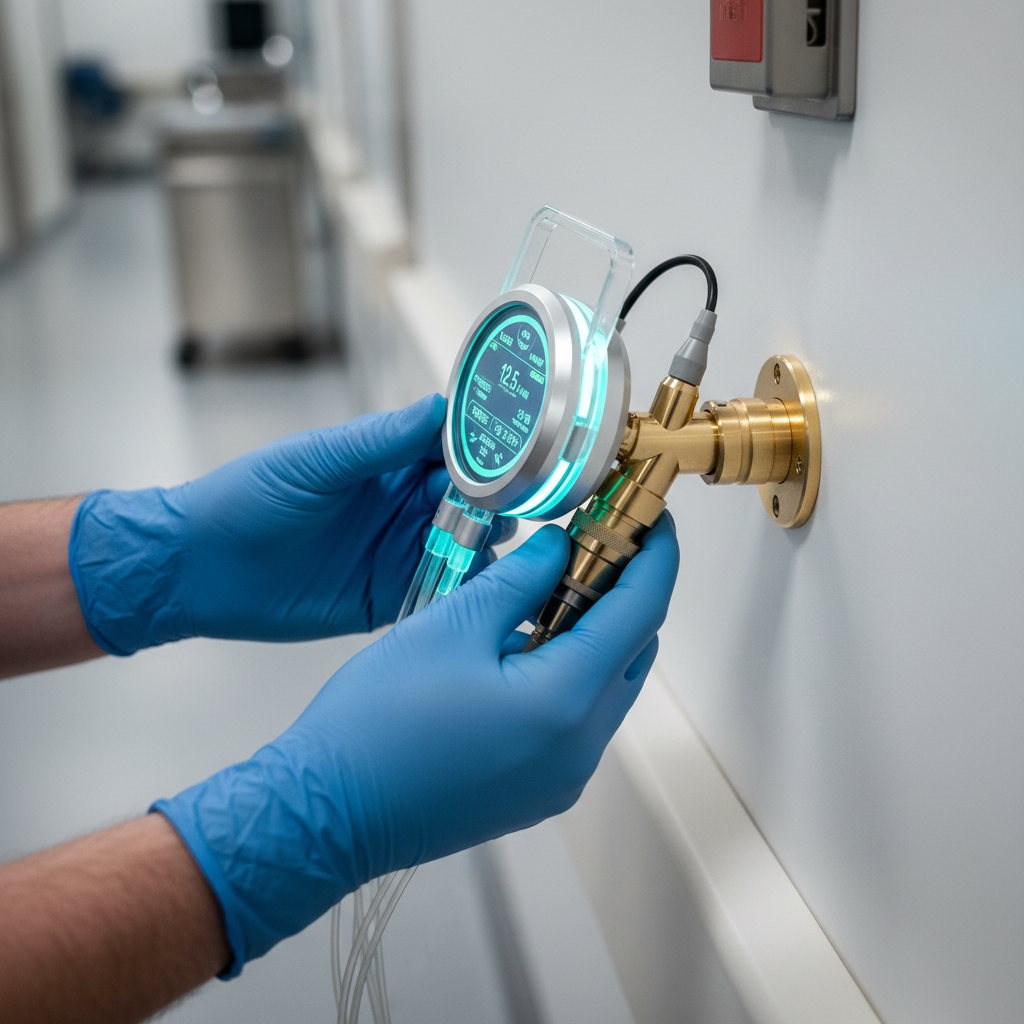
In any healthcare facility, the medical air supply is a critical life-support service, just as vital as oxygen or medical vacuum. Patients in operating rooms, neonatal intensive care units, and critical care areas depend on a continuous supply of clean, dry medical air for respiration and powering essential equipment. Ensuring the purity and integrity of this compressed air is not just a best practice—it's a stringent requirement mandated by national fire and safety codes. For facilities in Jupiter, Florida, understanding the specifics of medical air system testing is the first step toward guaranteeing patient safety and maintaining regulatory compliance.
This guide will provide a definitive overview of medical air system testing as outlined by NFPA 99, the Health Care Facilities Code. We will explore the "why" behind these rigorous standards, detail the specific contaminants that must be monitored, explain the testing process, and clarify the roles and responsibilities of credentialed technicians. You will learn what to expect during an inspection and how to ensure your facility meets or exceeds the established benchmarks for safety.
What is Medical Air and Why is Testing Crucial?
Medical air is a specially prepared, filtered, and compressed ambient air supply delivered through a dedicated piping system. Unlike the air we breathe every day, it must meet specific purity standards because it is administered directly to patients or used to operate sensitive medical devices like ventilators and surgical tools. Any contamination in the system can have immediate and severe consequences, from respiratory complications to surgical site infections.
The primary standard governing medical gas systems is NFPA 99. This code mandates that medical air be free from contaminants, dry to a specific dew point, and correctly proportioned. Regular testing by a qualified professional, such as an ASSE 6030 Certified Medical Gas Verifier, is the only way to confirm that the air produced by your compressors and delivered to patient outlets is safe.
Why this matters for compliance: NFPA 99, Chapter 5, outlines the requirements for Category 1 piped gas and vacuum systems. Failure to perform and document regular testing can result in citations from accrediting organizations like The Joint Commission (TJC) or DNV, potentially jeopardizing your facility's accreditation and reimbursement.
Key Contaminants in Medical Air Systems
NFPA 99 specifies several key parameters that must be tested to certify a medical air system as safe. These tests are designed to detect common contaminants that can be introduced during compression, storage, or distribution.
1. Dew Point (Water Vapor)
Moisture is the enemy of a medical air system. Excess water vapor can promote microbial growth within the pipes, leading to patient infections. It can also cause corrosion in the piping network and damage sensitive medical equipment connected to the system. The dew point is the temperature at which water vapor in the air condenses into liquid. NFPA 99 requires a pressure dew point of 35°F (1.7°C) at 50 psi to prevent condensation.
2. Carbon Monoxide (CO)
Carbon monoxide is a toxic, odorless gas that can be introduced into the air system if the compressor intake is located near the exhaust of a running engine or if the compressor itself overheats and combusts its lubricating oil. In a healthcare setting, even low levels of CO can be harmful to vulnerable patients. The allowable limit for CO in medical air is just 10 parts per million (ppm).
3. Volatile Organic Compounds (VOCs) and Gaseous Hydrocarbons
This broad category includes oils, cleaning solvents, and other hydrocarbon-based contaminants. The most common source is the compressor itself, which may use oil for lubrication. If the filtration system fails, these hydrocarbons can be aerosolized and delivered to the patient. The NFPA 99 limit for total gaseous hydrocarbons (expressed as methane) is 25 ppm.
4. Particulate Matter
Dust, debris, and other solid particles can enter the system during installation, maintenance, or through the compressor intake. These particulates can clog valves, damage equipment, and, if they reach the patient, cause respiratory inflammation or infection. Testing involves passing a large volume of air through a fine filter and then examining it for any particulate contamination. The system must be free of visible particulates.
The Medical Air Testing Process: What to Expect
When you partner with a certified organization like Medical Testing Solutions for annual medical gas inspections, our ASSE 6030 certified technicians follow a meticulous, multi-step process.
- Initial Consultation: We review your facility's specific system, previous testing reports, and any concerns you may have.
- Source Equipment Inspection: The process begins at the source—the medical air compressors, dryers, and filtration systems. We inspect the equipment for proper function, check intake locations, and review maintenance logs.
- System Sampling: Our technicians connect specialized analytical equipment to various points in the system, including the main line just after the source and at representative patient outlets throughout the facility.
- On-Site Analysis: Using portable, calibrated instruments, we perform a series of tests to measure the concentration of contaminants.
* Dew Point: An electronic hygrometer measures the moisture content.
* Carbon Monoxide & Other Gases: Electrochemical sensors or detector tubes are used to check for CO, NO, NO₂, and SO₂.
* Hydrocarbons/VOCs: A hydrocarbon analyzer detects total volatile hydrocarbons.
* Particulates: A high-volume cascade impactor or similar device is used to physically capture and check for solid matter.
- Documentation and Reporting: Following the inspection, you will receive a comprehensive report detailing the findings for each test at each location. This report serves as your official record of compliance for regulatory bodies.
NFPA 99 Testing Requirements: Annual vs. Verification
It's important to distinguish between different types of testing. The two primary events are initial verification and routine (annual) testing.
Initial Verification (ASSE 6030): This is a comprehensive series of tests performed on any new medical gas system or after modification or addition to an existing one. This process is much more in-depth and ensures the system was installed correctly. If you are planning a renovation or new construction, expert medical gas verification is a critical final step before the system can be used for patient care. Annual Testing: This is the periodic inspection required for all existing systems in use. Its purpose is to ensure the system continues to perform safely and has not developed issues over time. The table below summarizes the key differences.| Feature | Initial Verification (New Systems) | Annual Testing (Existing Systems) |
|---|---|---|
| Trigger | New installation, modification, or addition | Periodic requirement (at least annually) |
| Scope | Full system assessment for integrity, cross-connection, pressure, flow, and purity | Focus on source equipment and air quality (purity) |
| Credential | ASSE 6030 Medical Gas Verifier | ASSE 6040 Medical Gas Maintenance Personnel |
| Purity Tests | Required for all gases | Focus on medical air quality |
Finding a Certified Testing Provider in Jupiter, FL
When selecting a partner for medical air system testing, credentials are non-negotiable. Ensure the company you hire employs technicians certified to the appropriate ASSE 6000 series standard. An ASSE 6030 Verifier is qualified for new system verifications, while an ASSE 6040 Maintenance Person is certified for routine inspections.
Medical Testing Solutions is a premier provider of medical gas services for South Florida, including Jupiter and the surrounding Palm Beach County area. Our technicians are fully certified and equipped with the latest calibrated testing equipment to provide accurate, reliable, and fully documented reports that satisfy all TJC, DNV, and state requirements.
Beyond testing, we offer a full suite of services, including preventative medical gas maintenance services and equipment sales, making us a single-source partner for all your medical gas needs.
FAQs about Medical Air System Testing
How often do I need to test my medical air system?NFPA 99 requires that medical air quality be tested at least annually. If any part of the system is breached for maintenance or modification, it must be re-verified before being put back into service.
Who is qualified to perform medical air testing?Testing must be performed by a party that is technically competent and experienced in the field of medical gas system inspection and testing. This is typically an individual certified to ASSE 6030 (for verification) or ASSE 6040 (for maintenance and annual testing).
What happens if my system fails a test?The area served by the failed system must be immediately taken out of service, and the source of the contamination must be identified and corrected. The system must then be re-tested and pass before it can be used for patient care again.
Can't my own hospital maintenance staff do the testing?While in-house staff can be certified (typically to ASSE 6040), using a qualified, independent third-party provider like Medical Testing Solutions ensures an unbiased assessment and brings specialized expertise and equipment to the process. This is the preferred method for most accrediting agencies.
Secure Your Compliance and Patient Safety Today
Your medical air system is a pillar of patient care. Ensuring its purity and reliability is a critical responsibility for every healthcare facility manager and biomedical engineer in Jupiter, FL. Don't leave compliance to chance. Proactive, professional testing is the best way to protect your patients, your staff, and your facility's reputation.
Ready to schedule your annual inspection or need a consultation for an upcoming project? Contact the experts at Medical Testing Solutions today at (754) 315-1078 or request a quote online to ensure your facility meets the highest standards of safety and compliance.
This article is provided for educational purposes and reflects industry standards as of publication. Always verify against current NFPA 99, CGA, and AHJ requirements. Medical Testing Solutions is ASSE-certified and ready to help — contact us for facility-specific guidance.
Need Medical Gas Services?
Contact our certified team for inspections, verifications, installations, and more.
Get a Free Quote