Skip to content
    New: Medical Gas Outlet Retrofit & Rebuild Matrix — cross-reference legacy Chemetron, Ohio Diamond, Puritan-Bennett & more →
    ASSE Certified 24/7
    Medical Gas Service
    Compliance & Standards

    Medical Air System Testing in Davie, FL: A Guide to NFPA 99 Compliance

    Medical Testing SolutionsSeptember 13, 20266 min read
    Share
    Medical Air System Testing in Davie, FL: A Guide to NFPA 99 Compliance

    Understanding Medical Air System Testing in Davie, Florida

    For healthcare facilities in Davie, FL, from surgical centers to dental offices, a reliable medical air system is not a luxury, it's a critical component of patient care and safety. These systems supply compressed air for patient respiration, power surgical tools, and operate medical equipment. However, the quality of this air is paramount. Contaminants, moisture, or incorrect gas concentrations can pose significant risks. That's where rigorous testing comes in. This guide will walk you through the essential requirements for medical air system testing as defined by NFPA 99, ensuring your facility is compliant, safe, and always ready to provide the highest standard of care. We will cover the specific tests required, their importance, and how to partner with certified professionals to maintain your systems.

    What is a Medical Air System?

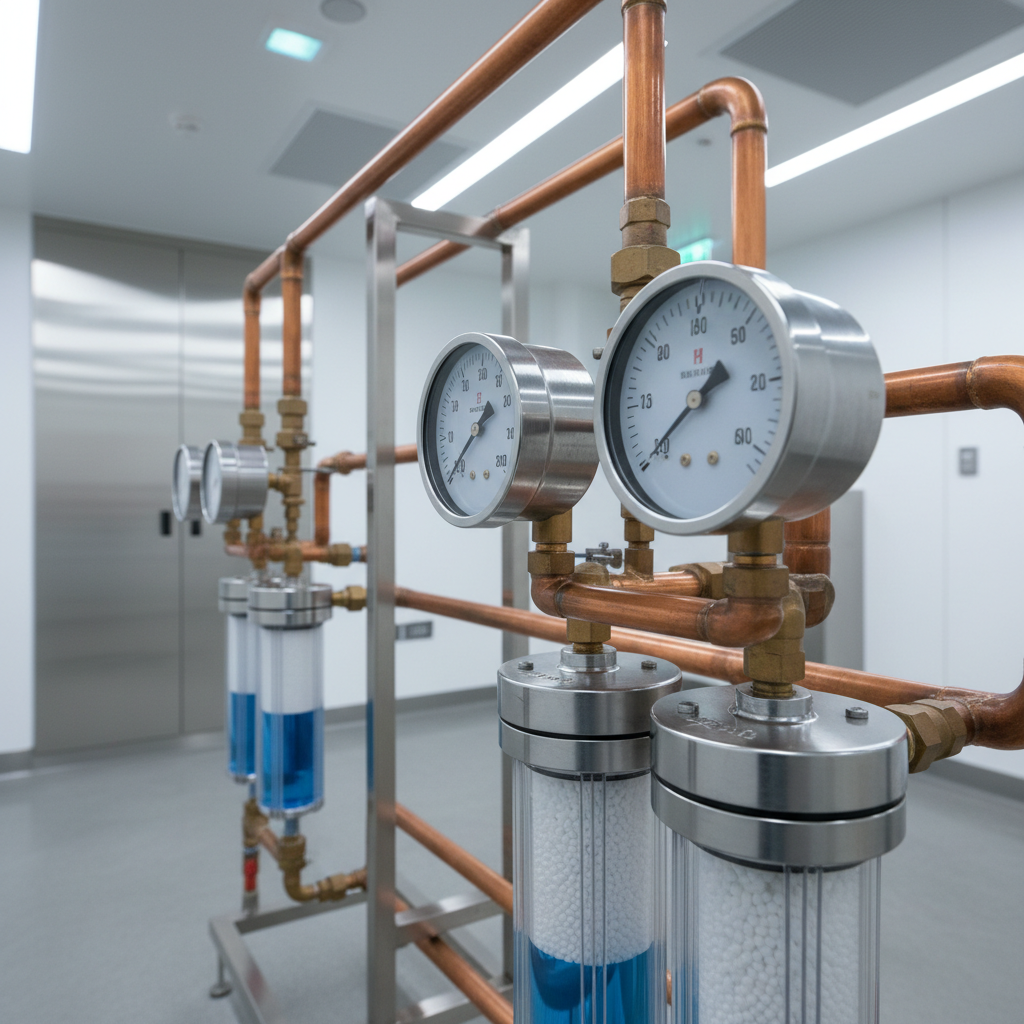
    A medical air system is a self-contained system designed to provide clean, dry, and reliable compressed air for medical and surgical applications within a healthcare facility. Unlike the standard air you might find in a commercial workshop, medical air is classified as a manufactured drug by the FDA. The system typically consists of several key components working in unison:

    • Compressors: The heart of the system, which draws in ambient air and pressurizes it. NFPA 99 requires at least two compressors (a duplex system) to ensure redundancy.
    • Receivers: A tank that stores the compressed air, providing a buffer to meet peak demand and allowing compressors to run more efficiently.
    • Dryers: Crucial for removing moisture. Most medical systems use desiccant dryers to achieve the extremely low dew point required.
    • Filters: A series of filters, including coalescing filters and activated carbon filters, that remove oil, water, and other particulates.
    • Regulators: These control the final line pressure, ensuring a consistent and safe pressure is delivered to the outlets.
    • Monitors: Alarms for carbon monoxide, dew point, and system pressure are required to continuously monitor air quality and system function.

    Medical Testing Solutions offers expert installation and maintenance for these complex systems, ensuring they are configured correctly from day one.

    Why Regular Testing is Non-Negotiable

    Contaminated medical air can have severe consequences. Moisture can corrode equipment and foster bacterial growth. Particulates can damage sensitive medical devices or, if inhaled, harm a patient's respiratory system. Gases like Carbon Monoxide (CO) or volatile organic compounds (VOCs) can be toxic. Regular testing is the only way to verify that the air delivered to the patient is free from these hazards.

    Why this matters for compliance: NFPA 99, the Health Care Facilities Code, mandates specific testing protocols for all medical gas systems, including medical air. Failure to comply can result in citations, loss of accreditation from bodies like The Joint Commission, and significant legal liability. Regular testing provides the documentation needed to prove due diligence and adherence to national safety standards.

    The Core Components of NFPA 99 Medical Air Testing

    Following a new installation, modification, or as part of a routine inspection, a full battery of tests is required. These are typically performed by an ASSE 6030 Certified Medical Gas Verifier. The primary tests for medical air quality include:

    • Dew Point Analysis: This measures the moisture content in the compressed air. The test is conducted at system pressure. NFPA 99 sets a stringent limit, typically requiring a pressure dew point of -40°F (-40°C) or lower to prevent moisture from condensing in the piping.
    • Carbon Monoxide (CO) Monitoring: CO is a toxic gas that can be introduced if the compressor intake is near an exhaust source or if the compressor itself overheats. A dedicated CO monitor is required on the system, and verification testing ensures it is calibrated and that the air itself is below the 10 ppm (parts per million) limit.
    • Gaseous Hydrocarbon Analysis: This test checks for volatile organic compounds (VOCs) and other hydrocarbons, which can be introduced from compressor lubricants or environmental contamination. The limit for total hydrocarbons (as methane) is typically 25 ppm.
    • Particulate Testing: This test verifies that the filtration system is effectively removing solid particles from the airstream. A sample of air is passed through a filter, and the particulate concentration is measured to ensure it meets the required purity level.

    For facilities in and around Davie, FL, our team at Medical Testing Solutions provides comprehensive annual medical gas inspections that cover all NFPA 99 requirements.

    Medical Air Purity Requirements (NFPA 99)

    To ensure patient safety, NFPA 99 outlines specific purity levels for medical air. The table below summarizes the key contaminant limits that must be verified through testing.

    ContaminantNFPA 99 Limit (USP)Potential Source / Risk
    Carbon Monoxide (CO)≤ 10 ppmCompressor intake contamination, overheating. Toxic.
    Carbon Dioxide (CO2)≤ 500 ppmCompressor intake contamination.
    Total Hydrocarbons (as Methane)≤ 25 ppmCompressor lubricants, intake contamination.
    Halogenated Hydrocarbons≤ 2 ppmCleaning solvents, degreasers near intake.
    Liquid WaterNoneIneffective dryers. Promotes microbial growth.
    Dew Point-40°F (-40°C) at 50 psiIneffective dryers. Can cause corrosion and freeze-ups.
    OdorNo detectable odorSystem contamination, oil breakdown.

    The Medical Air System Verification Process

    The verification process, performed after a new system is installed or an existing one is modified, is a comprehensive procedure outlined in the ASSE 6000 series standards. An ASSE 6030 certified verifier will:

    1. Review System Design: Ensure the installation matches the design plans and meets code requirements.
    2. Initial Pressure Test: The system is pressurized with nitrogen to check for leaks before the medical air compressors are even started.
    3. Component Checks: Verify that all alarms, monitors, and safety features are installed and functioning correctly.
    4. Air Quality Purity Test: The core of the verification. The verifier uses specialized, calibrated equipment to test for dew point, CO, hydrocarbons, and particulates as described above.
    5. Labeling and Documentation: Once all tests are passed, the outlets are properly labeled, and a comprehensive report is provided to the facility. This documentation is essential for accreditation surveys.

    This rigorous medical gas verification is the final step before a new system can be put into service for patient use.

    Choosing a Certified Testing Partner in Davie, FL

    When selecting a company for your medical air system testing, certification is key. Look for a provider whose technicians are ASSE 6030 certified for verification and ASSE 6040 certified for maintenance. This ensures they have the training, experience, and specialized equipment to test your systems correctly.

    Medical Testing Solutions is a leading provider of ASSE-certified medical gas services in Davie and across South Florida. Our team understands the unique demands of healthcare facilities and the critical importance of NFPA 99 compliance.

    Secure Your Compliance and Patient Safety Today

    Your medical air system is a life-support utility. Ensuring its purity and reliability through professional, certified testing is a fundamental responsibility for any healthcare facility in Davie, FL. Don't leave compliance to chance. Partner with the experts to protect your patients, your staff, and your accreditation.

    Ready to schedule your medical air system testing or need a quote for a new installation? Contact Medical Testing Solutions today. Call our South Florida office directly at (754) 315-1078 to speak with a certified specialist.


    Frequently Asked Questions

    A full verification is required for any new, modified, or repaired system. Additionally, NFPA 99 requires ongoing, periodic testing as part of a routine maintenance program, typically annually. Continuous monitoring of dew point and carbon monoxide is also required.

    A verifier (ASSE 6030) is a third-party agent who performs the detailed testing to certify a system for patient use. An inspector may be a local authority (AHJ) or accreditation surveyor who reviews the verifier's report and performs a more general inspection.

    Due to the need for highly specialized, calibrated equipment and in-depth knowledge of NFPA 99, testing must be performed by a qualified, certified third-party like Medical Testing Solutions. This ensures unbiased, accurate results required for compliance.

    If a test fails, the certified verifier will not permit the system to be used. They will work with the installer or your maintenance staff to identify the source of the problem—such as a leak, a malfunctioning dryer, or a contaminated intake—so it can be corrected before re-testing.

    This article is provided for educational purposes and reflects industry standards as of publication. Always verify against current NFPA 99, CGA, and AHJ requirements. Medical Testing Solutions is ASSE-certified and ready to help — contact us for facility-specific guidance.

    Request a quote for your facility

    Talk with Medical Testing Solutions about your next inspection, repair or equipment request.

    Get a quote in 1 business day

    I agree to receive text messages from Medical Testing Solutions, L.L.C. at the phone number provided, including informational and marketing messages. Consent is not a condition of purchase. Message frequency varies. Message & data rates may apply. Reply STOP to opt out or HELP for help. See our Privacy Policy and Messaging Terms.

    Prefer to talk? Call (754) 315-1078

    Related articles