In any healthcare facility, the terms "instrument air" and "medical air" are often used, but they represent two distinct medical gas systems with vastly different requirements for purity, delivery, and application. While both are critical to hospital operations, confusing them can lead to patient safety risks and costly compliance failures. Understanding the nuances of instrument air, what it is, how it differs from medical air, and the stringent codes governing its use, is non-negotiable for facility managers, biomedical engineers, and ASSE-certified technicians. This pillar post provides a definitive overview of instrument air systems, covering NFPA 99 requirements, source equipment specifications, key applications in surgical and dental settings, and the verification needed to ensure safe, reliable operation. You will learn precisely what the code demands and how to keep your systems compliant and efficient.
Instrument Air vs. Medical Air: A Definitive Guide for Healthcare Facilities
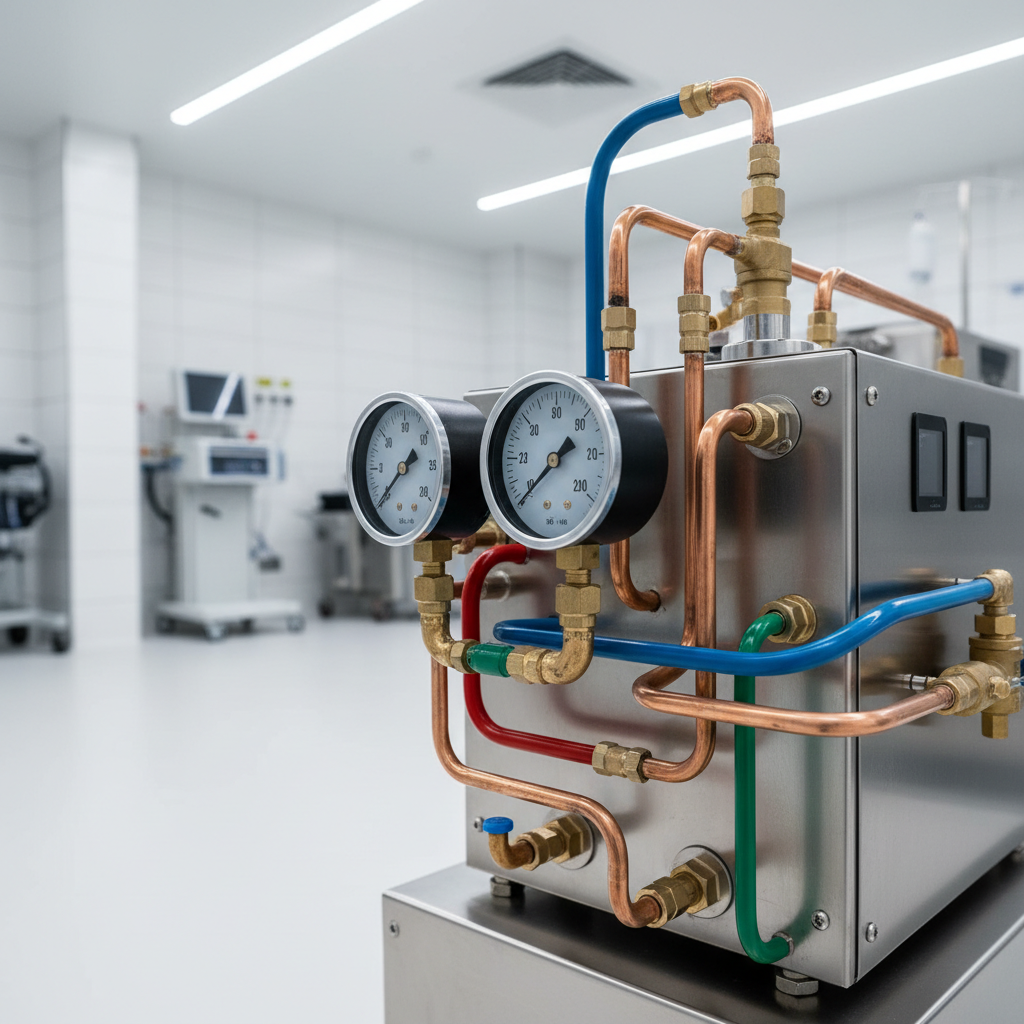
What is Instrument Air?
Instrument air, as defined by NFPA 99 (Health Care Facilities Code), is a medical gas that is not intended for human respiration. Its primary purpose is to power medical devices, such as surgical tools, pneumatic brakes on equipment, and calibration devices. Unlike medical air, which patients breathe, instrument air does not have the same stringent purity requirements. However, it must be clean and dry to prevent damage to the sensitive equipment it operates. The official NFPA 99 definition designates it as "air intended for powering pneumatic devices, which does not contact patient’s blood, tissue, or mucous membranes and is not for breathing."
It is typically supplied by a dedicated compressor and dryer system, similar to a medical air system but with different filtration and monitoring requirements. The key is that it must be free of oil, water, and particulate matter that could foul the internal components of expensive medical equipment, leading to malfunction and costly repairs.
Instrument Air vs. Medical Air: What's the Difference?
The distinction between these two air systems is one of the most critical concepts in medical gas safety. While they may originate from similar compressor technology, their treatment, testing, and end-use are fundamentally different. Medical air is a life-supporting gas, administered to patients for respiration, and is legally considered a drug by the FDA. Instrument air is a utility gas for powering equipment.
Here is a direct comparison of their specifications according to the most recent edition of NFPA 99:
| Feature | Medical Air | Instrument Air |
|---|---|---|
| Primary Use | Patient Respiration | Powering Medical Equipment |
| Patient Contact | Direct (inhalation) | Indirect (powers devices) |
| NFPA 99 Category | Category 1 (Life Support) | Category 1, 2, or 3 |
| Dew Point | ≤ 39°F (4°C) at 50-55 psig | Same as source air system |
| Contaminant Levels | CO ≤ 10 ppm, CO2 ≤ 500 ppm | Not specified for human inhalation |
| Filtration | Stringent; removes particles, water, oil, odors | Designed to protect equipment |
| System Alarms | Required for dew point, CO | Required for pressure, source stability |
| Verification | ASSE 6030 verification required for purity | ASSE 6030 verification for pressure/flow |
Why this matters for compliance: Misconnecting an instrument air line to a medical air outlet could have catastrophic consequences for a patient. The purity standards are not the same. This is why strict labeling, pipeline differentiation, and medical gas verification by an ASSE 6030 certified technician are mandated by code. It prevents the accidental administration of a non-respirable gas.
NFPA 99 Requirements for Instrument Air Systems
NFPA 99 outlines the specific design, installation, and testing requirements for instrument air systems. The stringency of these requirements depends on the Risk Category of the area served. For example, a system powering surgical tools in an operating room would be Category 1.
Key requirements include:
- Source Equipment: The system must have a compressor, aftercooler, receiver, dryers, and filters designed to provide air that is essentially free of liquid water and oil.
- Dryers: All instrument air compressors must be equipped with at least one duplexed air dryer capable of delivering air with a dew point equal to the source air system. This prevents internal moisture buildup in pipelines and equipment.
- Filtration: The system must include filters to remove particulates, oil, and odors that could damage equipment. A final line filter is often placed just before the point of use.
- Alarms: A local alarm and a master alarm must be present to indicate when the backup compressor is in use or if the system pressure deviates from the specified range.
Medical Testing Solutions has a team of ASSE 6010 certified installers and 6030 verifiers who ensure every instrument air system we work on meets these exact NFPA 99 standards, from initial medical gas installation to final certification.
Source Equipment: Compressors, Dryers, and Filters
A compliant instrument air system is only as reliable as its source equipment. The components must work in harmony to produce a steady supply of clean, dry air.
- Air Compressors: The heart of the system. NFPA 99 requires that these be of a design that prevents the introduction of contaminants into the pipeline. Oil-free or oil-less scroll, rotary screw, or reciprocating compressors are common choices. Sizing the compressor correctly is vital to meet the peak demand of all connected devices without significant pressure drops.
- Air Dryers: Water is the enemy of pneumatic surgical tools. Instrument air systems require duplexed refrigerant or desiccant dryers to achieve a low dew point. The duplexed design ensures a continuous supply of dry air even when one dryer is undergoing maintenance.
- Filters: A multi-stage filtration system is used:
- Coalescing Filters: Remove bulk oil and water droplets.
- Particulate Filters: Remove solid particles down to a specific micron level.
- Charcoal/Activated Carbon Filters: Remove hydrocarbon vapors and odors.
- Air Receiver: A large tank that stores compressed air. It helps to smooth out pressure fluctuations from the compressor and provides a reserve of air to handle sudden demand spikes.
Finding the right equipment is crucial. At MTS, we not only service these systems but also help facilities select and source high-quality components from our products catalog.
Key Applications in Dental and Surgical Environments
Instrument air is the invisible workhorse in many critical healthcare settings:
- Operating Rooms: It powers a wide range of pneumatic surgical instruments, including saws, drills, and reamers used in orthopedic surgery. These tools are valued for their high power-to-weight ratio and ability to withstand the sterilization process.
- Dental Clinics: Instrument air is used to drive dental handpieces (drills), operate air-water syringes, and power other pneumatic devices in the dental operatory. Clean, dry air is essential to prevent contamination and ensure the longevity of expensive dental equipment.
- Laboratories: Automated lab equipment and analysis machines often use instrument air for pneumatic actuation and control.
- Central Sterile Supply: Pneumatic systems may be used to operate doors on large sterilizers and other processing equipment.
Maintenance and Annual Inspections
Like any critical utility, instrument air systems require a robust maintenance plan to ensure reliability and compliance. Neglecting maintenance can lead to equipment failure, costly downtime, and potential safety hazards.
Key Maintenance Tasks:
- Daily: Check system pressure and monitor master alarm panels.
- Quarterly: Inspect and clean filters. Test dew point and check for any moisture in the system. Verify compressor operation and switchover.
- Annually: A full system inspection by a certified professional is required. This includes:
- Comprehensive testing of all alarms.
- Calibration of pressure gauges and sensors.
- Leak testing of the entire pipeline.
- Detailed inspection of all source equipment.
Scheduling annual medical gas inspections with a qualified provider like Medical Testing Solutions is the best way to ensure your system remains compliant with NFPA 99 and The Joint Commission standards.
Frequently Asked Questions
Request a quote for your facility
Talk with Medical Testing Solutions about your next inspection, repair or equipment request.